TSLA390.8209.19%
GM75.770-1.12%
F11.880-0.2001%
RIVN15.020-1.38%
CYD40.000-1.21%
HMC24.090-0.25%
TM188.710-3.91%
CVNA382.600-13.2%
PAG169.840-1.68%
LAD290.9000.78%
AN210.000-2.38%
GPI353.670-3.2%
ABG203.010-0.68%
SAH76.430-2.32%
TSLA390.8209.19%
GM75.770-1.12%
F11.880-0.2001%
RIVN15.020-1.38%
CYD40.000-1.21%
HMC24.090-0.25%
TM188.710-3.91%
CVNA382.600-13.2%
PAG169.840-1.68%
LAD290.9000.78%
AN210.000-2.38%
GPI353.670-3.2%
ABG203.010-0.68%
SAH76.430-2.32%
TSLA390.8209.19%
GM75.770-1.12%
F11.880-0.2001%
RIVN15.020-1.38%
CYD40.000-1.21%
HMC24.090-0.25%
TM188.710-3.91%
CVNA382.600-13.2%
PAG169.840-1.68%
LAD290.9000.78%
AN210.000-2.38%
GPI353.670-3.2%
ABG203.010-0.68%
SAH76.430-2.32%


The buy-in blueprint: Five leadership traits that inspire loyalty

In today’s episode of Lessons in Leadership, leadership expert and president of LearnToLead and author of Elevate Your Excellence, Dave Anderson, breaks down the concept of “buy-in” and why it’s crucial for effective leadership.
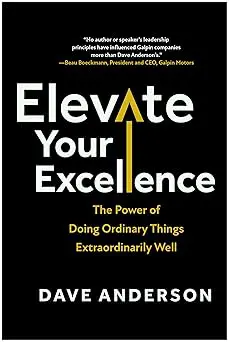
Image of the cover of Dave Anderson's book

Anderson discusses John Maxwell’s The 21 Irrefutable Laws of Leadership, which introduces the law of “buy-in” and states that followers must first buy into their leader before they buy into that leader’s vision. If employees don’t see their leader as capable or respectable, they are unlikely to fully commit to any proposed changes, strategies, or goals.

Sign up for CBT News’ daily newsletter and get the latest industry stories delivered straight to your inbox.

This reality can be frustrating for leaders. After all, if you’re the boss, why wouldn’t the team buy into your direction? But leadership isn’t about authority alone—it’s about influence and trust. Employees can comply without being truly committed. Those who simply comply do the bare minimum required, while those who are committed not only meet expectations but also exceed them, bringing greater value to the team and organization.

When employees evaluate whether a leader is worth their buy-in, they instinctively ask themselves five key questions:

Character

“Can I trust you?” Trust is the foundation of buy-in—without it, commitment is impossible.

Competence

“Do you know what you’re doing?” and “Will working under your leadership help me grow, or will I end up in a worse position?” Even if an employee likes you personally, they won’t follow you if they don’t believe in your ability.

Consistency

Are you steady and reliable, or do you have occasional flashes of brilliance mixed with constant chaos?” Inconsistent leaders create uncertainty, making it hard for employees to commit.

Compassion

Do you care about me as a person, or am I just another number?” Leaders who show genuine care build stronger loyalty.

Commitment

What effort and sacrifices do I see you making for the team?” A leader’s dedication sets the tone for the rest of the organization.

Buy-in is earned over time, but it can be lost in an instant. A lapse in judgment, an emotional outburst, or a shortcut in character can undo months or even years of trust-building. True leaders understand that buy-in isn’t commanded—it’s cultivated through consistent actions, integrity, and an unwavering commitment to their team.

"You cannot command commitment. You have to inspire it." – Dave Anderson

Read More


More from Lessons in Leadership
Why poor performers stay too long and how to fix it

Why poor performers stay too long and how to fix it

- April 29, 2026
On this episode of Lessons in Leadership, Dave Anderson, President of LearnToLead, breaks down the 18th trait in his 21 traits for high-performance cultures: fire fast. The foundation of this trait...
Resilient

How resilient is your dealership team, really?

- April 22, 2026
According to Dave Anderson, founder of LearnToLead and leadership expert, resiliency is not just a personal trait, it’s a cultural one. On the latest installment of Lessons in Leadership's 21-traits of building...
peer pressure

Utilizing peer pressure to define high-performing cultures

- April 15, 2026
  Dave Anderson, President of LearnToLead, says the most effective business cultures are defined by peer pressure to perform rather than management-driven oversight. During today’s episode of Lessons in Leadership, Anderson...
Are your employees growing—or stagnating?

Are your employees growing—or stagnating?

- April 8, 2026
According to leadership expert Dave Anderson, high-performance cultures insist on continuous growth, creating an environment in which employees understand that their development directly impacts both personal value and organizational success.  In...
CBT News
Privacy Overview

This website uses cookies so that we can provide you with the best user experience possible. Cookie information is stored in your browser and performs functions such as recognising you when you return to our website and helping our team to understand which sections of the website you find most interesting and useful.