
On the Dash:
- Tesla’s board proposed a $1 trillion pay package for Elon Musk, potentially granting him up to 12% of company stock and increasing his control over Tesla.
- The plan ties compensation solely to performance milestones, including robotaxi and humanoid robot production.
- Critics warn that the package raises governance concerns, including potential dilution, concentration of power, and distractions from Musk’s political activities.
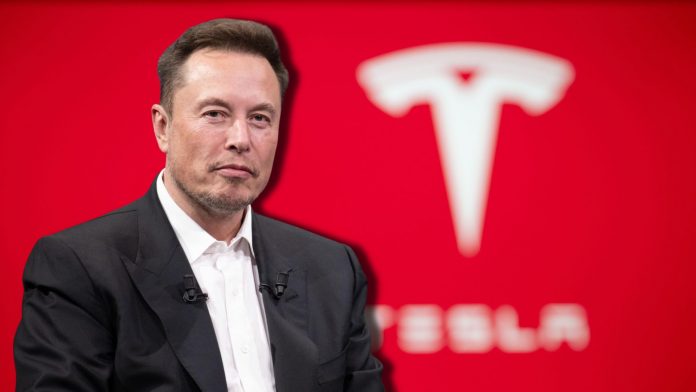
Tesla’s board has proposed a historic $1 trillion compensation plan for CEO Elon Musk, potentially granting him up to 12% of the company’s stock and significantly increasing his control as the automaker shifts its focus toward AI, robotics, and autonomous vehicle development.
The plan ties Musk’s pay entirely to performance milestones, which include the mass production of robotaxis and humanoid robots, as well as achieving specific market capitalization targets. Tesla emphasized that Musk will receive no salary or cash bonuses, mirroring the structure of his 2018 compensation plan. If all targets are met, this award could substantially enhance Musk’s voting power from his current stake of approximately 13%. This situation raises concerns about governance and shareholder oversight.
Supporters of the plan argue that it aligns Musk’s incentives with the goals of long-term growth and innovation. However, critics warn that the massive compensation package could result in stock dilution, concentrate power in Musk’s hands, and increase governance risks, particularly given his recent forays into politics. In July, Musk announced plans to launch a third political party in the U.S., which has raised concerns among some investors about potential distractions from Tesla’s core operations.
Additionally, Tesla shares rose approximately 2.2% in premarket trading following the announcement of the proposal. This plan will be put to a shareholder vote in November after a review by a special committee of independent directors. Earlier this year, the board approved a $29 billion interim package to retain Musk through at least 2030 as the company emphasizes AI and robotics as central elements of its future growth strategy.
This compensation package comes at a time of slowing demand for EVs and increasing competition from Chinese rivals like BYD, highlighting Tesla’s reliance on Musk to maintain its market leadership while pursuing ambitious technology initiatives.