
On the Dash:
- Nissan cuts global models by 20%, streamlining inventory and making product offerings more consistent for U.S. dealers.
- The return of hybrid versions of the Rogue and Xterra gives dealers a competitive edge in high-demand crossover and SUV segments.
- A leaner, more focused portfolio aims to boost dealer profitability, with a greater emphasis on high-turn models and faster inventory turnover.
Nissan is placing the U.S. at the center of its global turnaround strategy, targeting more than 1 million annual sales in the market by 2030 as it overhauls its product lineup and simplifies its retail structure.
The automaker is cutting its global lineup from 56 models to 45 and consolidating about 80% of its volume into three core vehicle families built on shared platforms. Executives say the move is designed to reduce complexity, improve profitability and deliver a more consistent product strategy across key markets, including the U.S.
The plan marks a central pillar of CEO Ivan Espinosa’s turnaround strategy as the company works to stabilize performance following years of declining sales and rising financial pressure. Nissan continues to navigate the fallout from restructuring its long-standing alliance with Renault and a failed merger attempt with Honda.
Nissan has not yet announced which models will be dropped, but company officials say they are focusing on vehicles with higher sales potential. The automaker hopes that expanding powertrain options among the remaining models will attract more buyers.
For dealers, the shift signals a leaner, more focused showroom lineup. Nissan aims to reduce inventory complexity, streamline training needs and concentrate retail efforts on high-volume segments such as crossovers, SUVs and electrified vehicles.
Hybrid return and product focus drive showroom impact
Nissan is re-entering the U.S. hybrid market after exiting the segment in 2019, a move expected to directly influence dealer sales mix and near-term traffic.
The automaker plans to introduce hybrid versions of its Rogue compact crossover and revive the Xterra SUV for the U.S. market. Both nameplates are positioned to compete in high-demand segments where hybrids continue to gain share.
Unlike many rivals, Nissan’s hybrid system uses a gasoline engine to charge the battery, which then powers the vehicle. The company is betting the approach will provide dealers with a clear talking point in a highly competitive hybrid landscape.
The strategy reflects a broader push to prioritize high-velocity retail segments where inventory turnover and demand remain strongest.
Dealers face sharper focus amid competitive pressure
The reduction in total models is expected to reshape how U.S. dealerships manage floorplans, marketing spend and product training.
With fewer nameplates and more reliance on shared platforms, Nissan aims to create more predictable supply and pricing consistency across its dealer network. However, the shift also places greater dependence on a smaller number of high-volume models to drive overall sales performance.
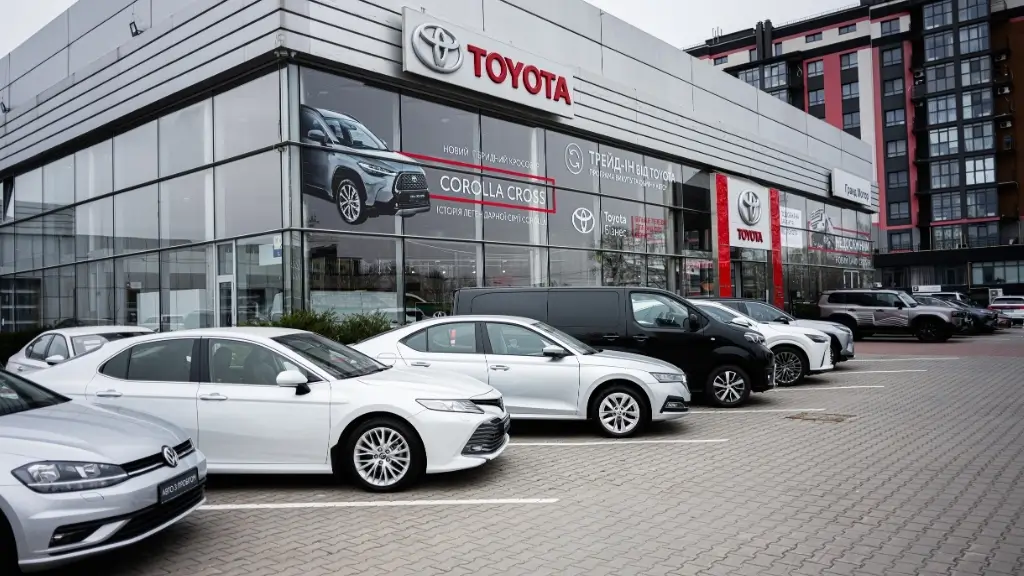
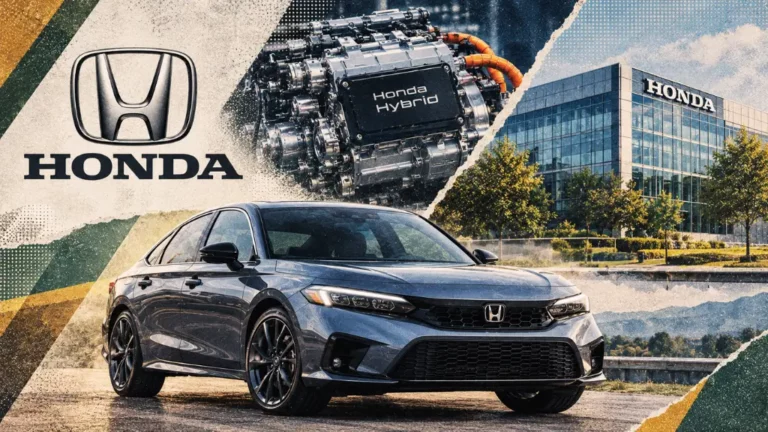
The strategy comes as Nissan works to close the gap with competitors such as Toyota and Honda, both of which have strengthened their positions in the hybrid and crossover segments.
For dealers, success will hinge on whether the refreshed Rogue, revived Xterra and streamlined lineup can translate into stronger showroom traffic, higher conversion rates and improved profitability in a highly competitive U.S. market.