

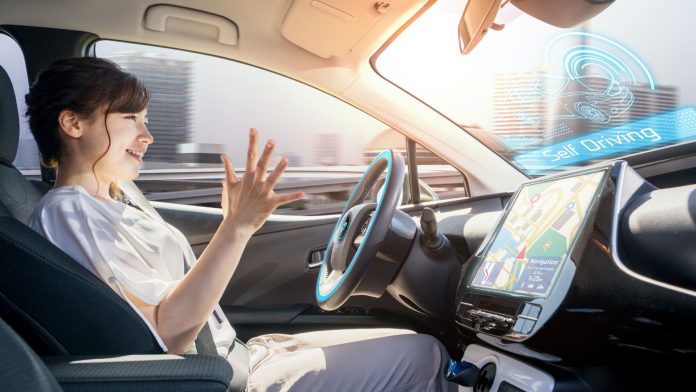
A recent study by AutoPacific revealed a massive shift in consumer attitudes toward self-driving technology. Among nearly 18,000 respondents, hands-free, semi-autonomous highway driving has emerged as the most desired feature, ranking alongside reverse automatic braking.
Just a year ago, hands-free driving didn’t rank in the top 10. Now, 43% of shoppers are requesting it, indicating growing comfort with driver-assist systems as they become more mainstream.
Here’s why it matters:
The growing interest in hands-free driving presents a critical opportunity for dealerships to align their inventory, marketing, and sales strategies with shifting consumer demands. As semi-autonomous systems like Tesla’s full self-driving (FSD), Ford’s BlueCruise, and GM’s Super Cruise become more widely available, dealership staff must be equipped to explain and demonstrate these features effectively.
This trend could also influence OEM production decisions and dealership training requirements. Which may ultimately impact showroom conversations and upsell strategies.
Key takeaways:
- Popularity surge
Semi-autonomous hands-free highway driving is now tied as the most desired feature among U.S. car shoppers, cited by 43% of respondents. - A dramatic change
Just one year ago, this feature wasn’t even in the top 10, highlighting a sharp increase in consumer openness to partial automation. - Preference for partial autonomy
More respondents wanted semi-autonomous driving systems than fully self-driving cars, suggesting consumers still want control but with added convenience. - Driving adoption
Systems like Tesla’s Full Self-Driving (Supervised), GM’s Super Cruise, and Ford’s BlueCruise are increasing public familiarity and acceptance of hands-free tech. - Preparation for inquiries
As interest rises, sales teams must be ready to explain feature functionality, safety requirements, and how semi-autonomous systems differ across brands.