

On the Dash:
- Stellantis is preparing a new business plan in response to U.S. tariffs that could cost the company 1.5 billion euros in 2025.
- CEO Antonio Filosa says restoring revenue with new models like the Jeep Cherokee and V8 RAM trucks is central to the strategy.
- The automaker has burned through 9 billion euros in cash since 2024, but says inventories are now healthy ahead of a full plan release in 2026.
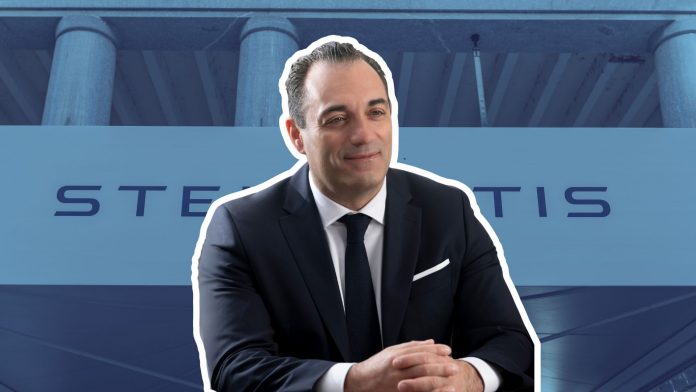
Stellantis CEO Antonio Filosa said Thursday the company is preparing to act on U.S. tariff measures as it develops a new business plan aimed at restoring financial stability and growth.
Speaking at the Kepler Cheuvreux Autumn Conference, Filosa described “a very productive exchange of ideas” with President Donald Trump’s administration, adding that the tariff landscape is “getting clearer and clearer,” even though not fully defined.
The French-Italian-American automaker, which produces vehicles in the U.S., Mexico, and Canada, warned in July that tariffs could deliver a 1.5 billion euros ($1.8 billion) hit this year. More than 40% of the 1.2 million vehicles Stellantis sold in the U.S. in 2024 were imports, largely from its tariff-exposed plants in Mexico and Canada.
Filosa, who became CEO in June, emphasized that increasing revenue through new model launches would be central to Stellantis’ turnaround. The company is reintroducing the Jeep Cherokee and V8 RAM trucks, models whose removal contributed to slumping U.S. sales last year. North American dealers, he said, were “screaming” for their return.
Stellantis has burned more than 9 billion euros ($10.6 billion) in cash since 2024 as sales and profits deteriorated in its core North American market. The decline led to a buildup of unsold inventory and the ouster of former CEO Carlos Tavares. Filosa said inventories are now at “very healthy” levels, with 2024 models cleared and 2025 stock moving steadily.
Shares in Stellantis rose 9.2% in Milan after Filosa’s comments. The company plans to present its full business plan in the first half of 2026, with the “most urgent objective” being to restore cash generation, according to Filosa.