TSLA364.20011.781%
GM79.4602.63%
F12.6970.537%
RIVN15.9900.09%
CYD42.160-2.57%
HMC24.160-0.04%
TM211.5500.49%
CVNA374.33015.06%
PAG157.2700.47%
LAD281.7802.72%
AN200.000-2.25%
GPI337.980-0.04%
ABG206.5700.84%
SAH68.2300.16%
TSLA364.20011.781%
GM79.4602.63%
F12.6970.537%
RIVN15.9900.09%
CYD42.160-2.57%
HMC24.160-0.04%
TM211.5500.49%
CVNA374.33015.06%
PAG157.2700.47%
LAD281.7802.72%
AN200.000-2.25%
GPI337.980-0.04%
ABG206.5700.84%
SAH68.2300.16%
TSLA364.20011.781%
GM79.4602.63%
F12.6970.537%
RIVN15.9900.09%
CYD42.160-2.57%
HMC24.160-0.04%
TM211.5500.49%
CVNA374.33015.06%
PAG157.2700.47%
LAD281.7802.72%
AN200.000-2.25%
GPI337.980-0.04%
ABG206.5700.84%
SAH68.2300.16%

Real-world emissions show PHEVs are almost as dirty as gas cars, study finds

The discrepancy stems from a major underestimation of how often PHEVs rely on their internal combustion engines.
A recent study shows that PHEVs emit nearly as much CO2 as gas cars, far above lab test predictions in real-world driving conditions.

On the Dash:

  • Real-world CO2 emissions from PHEVs are nearly five times higher than lab test results, reducing pollutants by only 19% instead of the expected 75%.
  • PHEVs frequently rely on their combustion engines due to heavy batteries and limited electric motor power, making them no cleaner than conventional hybrids or ICE vehicles.
  • The gap between lab estimates and real-world performance increases costs for drivers, who spend significantly more on fuel than expected.

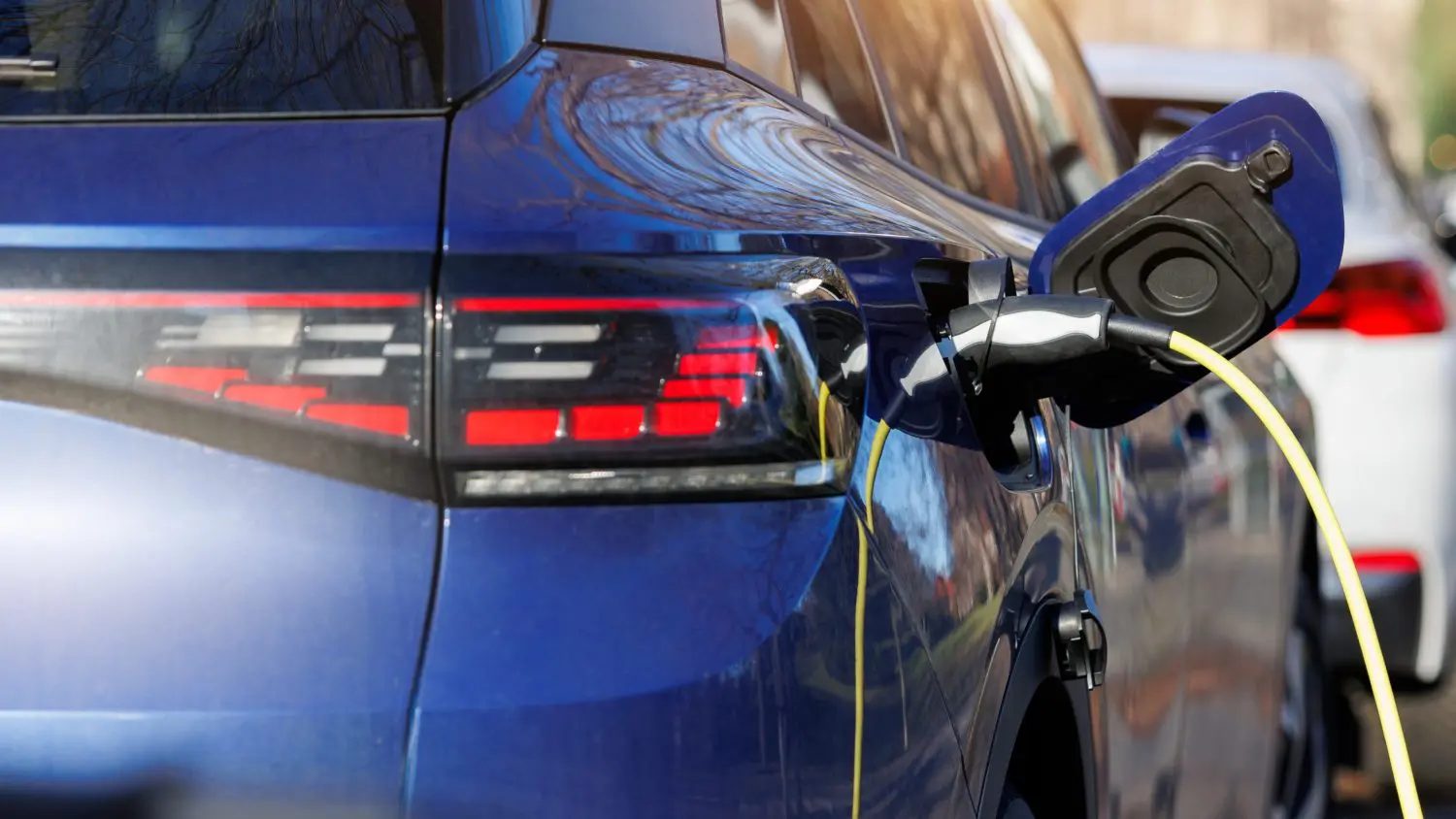
A recent study by Europe’s Transport and Environment (T&E) found that plug-in hybrid vehicles, often promoted as low-emission alternatives, produce nearly as many emissions as traditional internal combustion engine vehicles. T&E researchers analyzed emissions data from 127,000 PHEVs registered in the European Union in 2023. The study found that real-world carbon dioxide (CO2) emissions were nearly five times higher than those recorded in controlled lab tests. Instead of reducing emissions by the 75% suggested in lab testing, PHEVs achieved only a 19% reduction of pollutants.

The discrepancy stems from a major underestimation of how often PHEVs rely on their internal combustion engines. While the electric and gas engines operate independently, vehicles switch between them depending on driving conditions and battery charge. This multi-mode operation leads to significant variations in fuel consumption and emissions, especially under real-world driving conditions.

Sign up for CBT News’ daily newsletter and get the latest industry stories delivered straight to your inbox.

PHEVs are also significantly heavier than conventional vehicles due to their large batteries. When the electric motor lacks sufficient power—such as during rapid acceleration or uphill driving—the combustion engine kicks in, even in electric mode. On average, vehicles burn 0.8 gallons per 62 miles, producing 68g of CO2 per kilometer, which is 8.5 times the official prediction.

The study also found that official tests assumed vehicles operate 84% of the time in electric mode, while real-world data shows this share is just 27%. Lab assumptions further overestimate efficiency by presuming frequent charging, which many drivers do not follow. As a result, PHEVs perform no better than conventional hybrids or internal combustion vehicles in real-world conditions.

These inaccuracies also have financial consequences for consumers. Buyers who select PHEVs expecting lower fuel costs may face significantly higher expenses than anticipated, undermining one of the key benefits of an electric powertrain.

Read More
More from Articles
Lucid funds

Lucid secures $750 million funding, appoints new CEO 

- April 14, 2026
On the Dash: Lucid’s Uber partnership signals growing momentum in demand for fleets and robotaxi beyond traditional retail channels. Continued funding highlights both investor confidence and the sector's ongoing capital...
Navy Federal’s Cost of Car Ownership (COCO) Index shows spike in vehicle ownership costs driven by gasoline prices

Navy Federal’s Cost of Car Ownership (COCO) Index shows spike in vehicle ownership costs driven by gasoline prices

- April 14, 2026
VIENNA, Va.--(BUSINESS WIRE)--Navy Federal Credit Union today released the latest iteration of its Cost of Car Ownership (COCO) Index, revealing a record-high in the cost of owning a vehicle. The COCO...
Ford pushes to block Chinese EVs as it rolls out gas incentives in high-cost states

Ford pushes to block Chinese EVs as it rolls out gas incentives in high-cost states

- April 14, 2026
On the Dash: Ford’s policy stance signals continued pressure for protectionist measures that could shape future inventory mix and pricing strategy. Gas card incentives highlight ongoing consumer sensitivity to the...
Tesla rolls out Spring 2026 update

Tesla rolls out Spring 2026 update with AI, self-driving push

- April 14, 2026
On the Dash: Tesla continues to use software updates to drive recurring revenue, particularly through simplified FSD subscription access and usage tracking. Hardware dependency is increasing, creating a clearer distinction...
CBT News
Privacy Overview

This website uses cookies so that we can provide you with the best user experience possible. Cookie information is stored in your browser and performs functions such as recognising you when you return to our website and helping our team to understand which sections of the website you find most interesting and useful.