
TSLA360.590-20.67001%
GM72.540-2.5%
F11.590-0.09%
RIVN15.4000.46%
CYD39.410-0.08%
HMC24.150-0.16%
TM207.010-2.66%
CVNA313.5481.45799%
PAG149.3400.18%
LAD251.8201%
AN197.680-0.29%
GPI329.450-1.34%
ABG194.7600.73%
SAH64.870-0.38%
TSLA360.590-20.67001%
GM72.540-2.5%
F11.590-0.09%
RIVN15.4000.46%
CYD39.410-0.08%
HMC24.150-0.16%
TM207.010-2.66%
CVNA313.5481.45799%
PAG149.3400.18%
LAD251.8201%
AN197.680-0.29%
GPI329.450-1.34%
ABG194.7600.73%
SAH64.870-0.38%
TSLA360.590-20.67001%
GM72.540-2.5%
F11.590-0.09%
RIVN15.4000.46%
CYD39.410-0.08%
HMC24.150-0.16%
TM207.010-2.66%
CVNA313.5481.45799%
PAG149.3400.18%
LAD251.8201%
AN197.680-0.29%
GPI329.450-1.34%
ABG194.7600.73%
SAH64.870-0.38%

November new-vehicle sales hold steady as incentives rise

November new-vehicle sales remain strong, driven by rising inventories, incentives, and consumer confidence, with a boost in EV sales before federal tax credits drop.
new-vehicle sales

According to new data from Cox Automotive, the market has shown signs of resilience as new-vehicle sales for November are expected to maintain a seasonally adjusted annual rate (SAAR) of 16 million units, consistent with October’s sales pace. This marks a notable recovery compared to last year’s SAAR of 15.5 million. Despite a slight 1.3% decrease in sales volume from October, new-vehicle sales are projected to reach 1.32 million units, a 6.6% increase over November 2023. The jump can be attributed to an extra selling day compared to the previous year and improving market conditions as we head toward year-end.

One of the primary drivers of this positive trend is the surge in new-vehicle inventory, which surpassed 3 million units in November—its highest level since the pandemic began. This increase in available vehicles has provided dealerships with more stock to meet consumer demand, translating into higher sales. Along with the rising inventory levels, manufacturers have been offering more incentives to help move vehicles off the lot. Sales incentives jumped to 7.7% of the average transaction price in October, marking the fifth consecutive month of higher incentives and the highest rate since 2021.

Cox Automotive’s Senior Economist, Charlie Chesbrough, pointed to several factors contributing to this market stability, including a decline in uncertainty after the U.S. elections and a boost in consumer confidence. These factors are expected to continue influencing buying behavior through the end of 2024, especially as consumers are encouraged by better vehicle affordability. Lower auto loan rates and increased incentives are making it easier for buyers to make purchases, even as vehicle prices remain high.

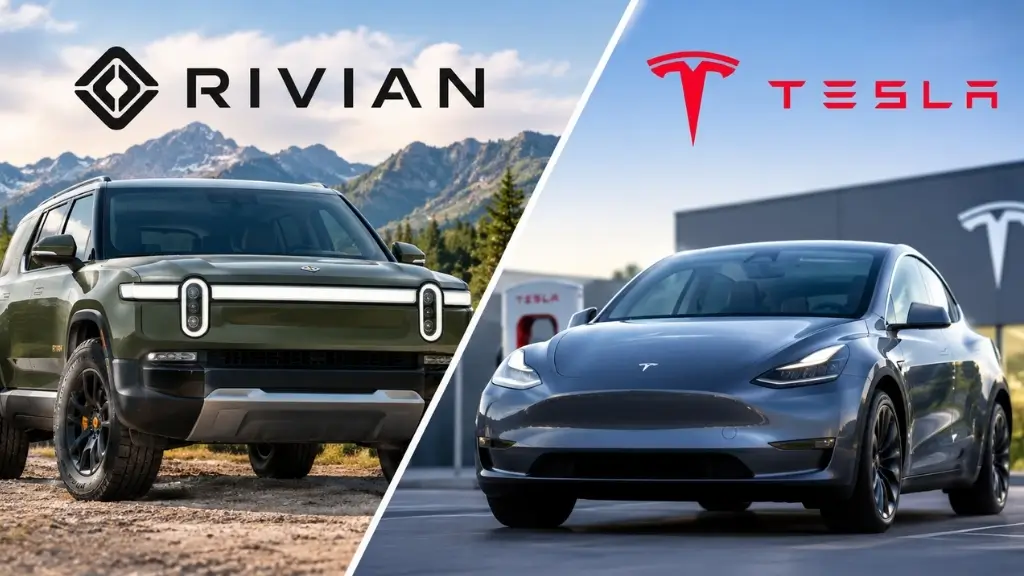
In addition, there is growing anticipation surrounding the electric vehicle (EV) segment. With the potential reduction of federal EV tax credits in 2025 under the incoming administration, many consumers are moving quickly to secure deals on EVs and plug-in hybrid vehicles (PHEVs). This rush could lead to a stronger-than-expected finish to the year for EV sales. The combination of rising inventories, improved consumer confidence, and a potential last-minute push for EVs signals a promising end to 2024, with the potential for robust sales in the final quarter.


Read More
More from Articles
Ed Morse Automotive Group acquires Porsche Des Moines in Iowa

Ed Morse Automotive Group acquires Porsche Des Moines in Iowa

- April 3, 2026
Ed Morse Automotive Group acquired Porsche Des Moines in Iowa from Jason Pittack of the Woodhouse Auto Family in a transaction that closed April 1, 2026. The dealership will continue...
GM to invest more than $150 million in Saginaw Metal Casting Plant

GM to invest more than $150 million in Saginaw Metal Casting Plant

- April 3, 2026
General Motors announced plans to invest more than $150 million in its Saginaw Metal Casting Operations to support the production of the sixth generation of GM’s V-8 engine blocks and...
White House revises metals tariffs, shifts calculation method

White House revises metals tariffs, shifts calculation method

- April 3, 2026
On the Dash: The revised tariff structure simplifies how metals duties are calculated by applying them to consumer purchase prices and eliminating complex component-level assessments. The changes are expected to...
Stellantis explores EV production in Canada with China’s Leapmotor

Stellantis explores EV production in Canada with China’s Leapmotor

- April 3, 2026
On the Dash: Stellantis’ early-stage talks with Leapmotor highlight how global partnerships are accelerating as automakers adapt to shifting tariffs and EV demand. Uncertainty around U.S. trade policy and potential...
CBT News
Privacy Overview

This website uses cookies so that we can provide you with the best user experience possible. Cookie information is stored in your browser and performs functions such as recognising you when you return to our website and helping our team to understand which sections of the website you find most interesting and useful.