TSLA397.79518.085%
GM77.310-0.79%
F14.005-0.125%
RIVN16.4800.85%
CYD45.2150.395%
HMC27.1550.325%
TM171.010-0.47%
CVNA63.9251.575%
PAG179.200-3.01%
LAD287.120-4.98%
AN189.150-2.49%
GPI295.610-6.13%
ABG200.600-4.57%
SAH83.430-1.08%
TSLA397.79518.085%
GM77.310-0.79%
F14.005-0.125%
RIVN16.4800.85%
CYD45.2150.395%
HMC27.1550.325%
TM171.010-0.47%
CVNA63.9251.575%
PAG179.200-3.01%
LAD287.120-4.98%
AN189.150-2.49%
GPI295.610-6.13%
ABG200.600-4.57%
SAH83.430-1.08%
TSLA397.79518.085%
GM77.310-0.79%
F14.005-0.125%
RIVN16.4800.85%
CYD45.2150.395%
HMC27.1550.325%
TM171.010-0.47%
CVNA63.9251.575%
PAG179.200-3.01%
LAD287.120-4.98%
AN189.150-2.49%
GPI295.610-6.13%
ABG200.600-4.57%
SAH83.430-1.08%

Nissan could save Fisker with $400 million investment

Nissan's talks with Fisker follow the wake of the former's “rebalanced” relationship with its long-time alliance partner Renault.
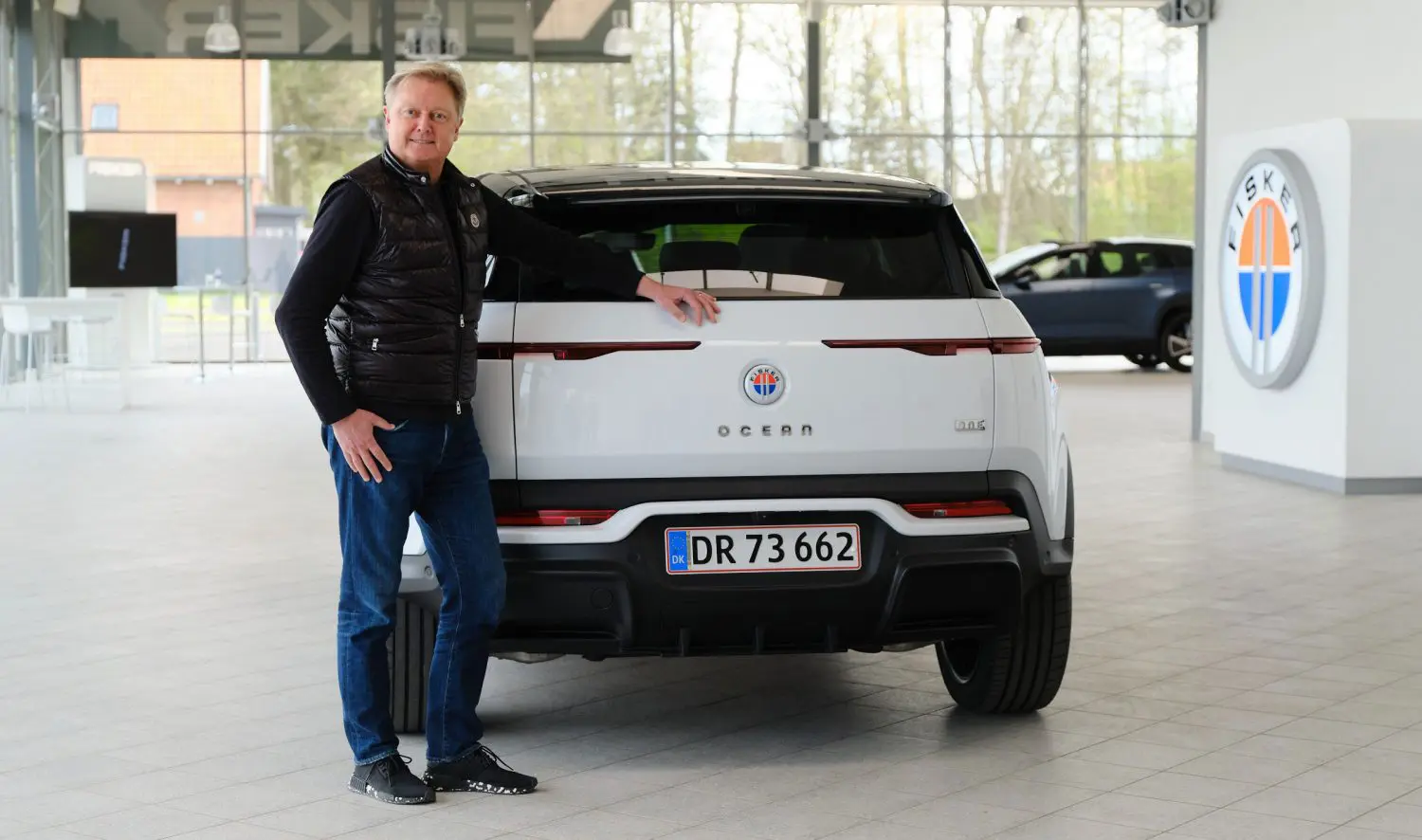
Fisker & Nissan

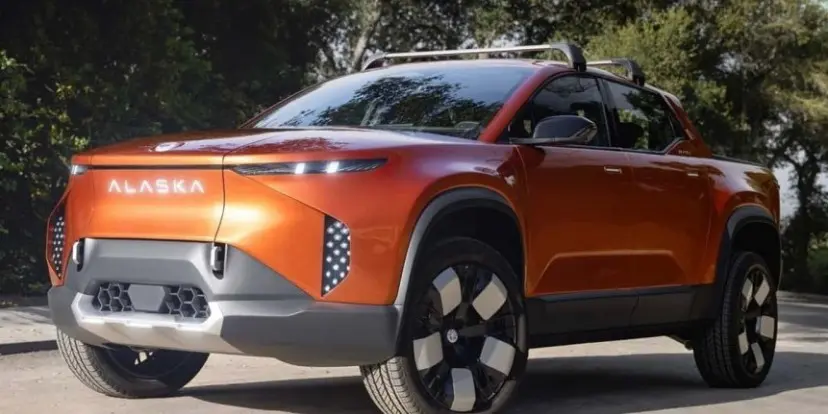
Fisker Alaska electric truck concept

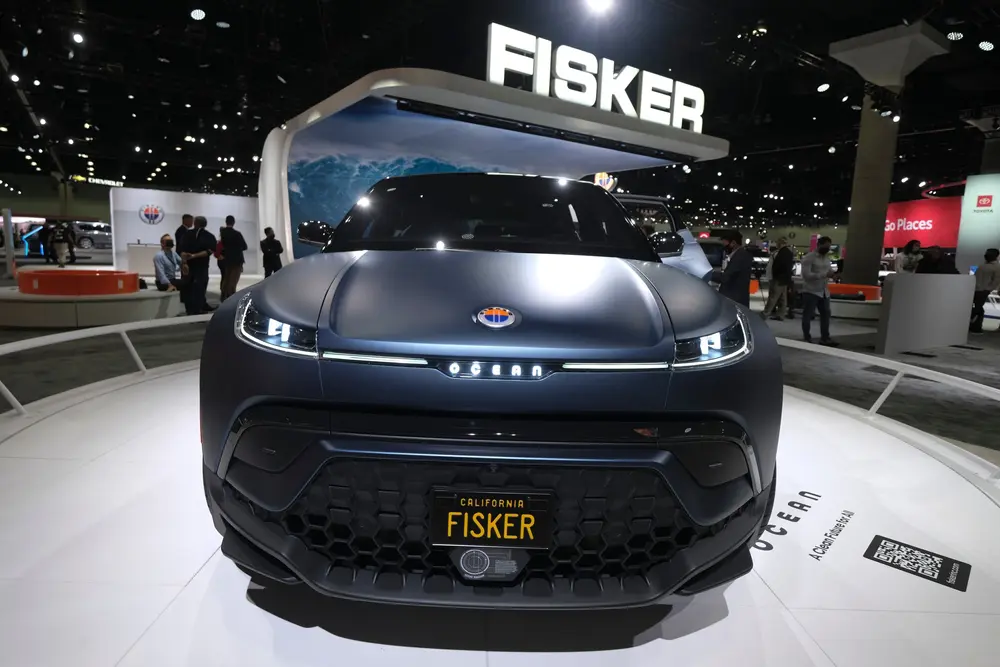
According to an exclusive Reuters report, Nissan is in extensive negotiations to invest in electric vehicle maker Fisker, potentially giving the struggling startup a financial lifeline.

The deal is scheduled to close later this month.

The terms under discussion include Nissan investing over $400 million in Fisker’s truck platform and constructing Fisker’s intended Alaska pickup at one of its assembly facilities in the U.S. starting in 2026. Sources indicate that Nissan will use the same platform to build its own electric truck, leveraging its assembly facilities in Tennessee and Mississippi.

On February 29, Fisker claimed it was in discussions with a major automaker about a possible investment and cooperative development agreement after announcing that it would lay off 15% of its personnel.

With its entirely battery-powered Leaf hatchback in 2010, Nissan led the way in EV technology; however, since then, it has battled against more agile competitors. Through a partnership with Fisker, it would be able to enter the expanding U.S. electric pickup market.

Nissan’s talks with Fisker follow the wake of the former’s “rebalanced” relationship with its long-time alliance partner Renault. After several months of negotiations, the two companies have agreed to new terms for a rebalanced alliance, which includes a mutual goal of achieving a 15% cross-shareholding as part of the agreement.

The more constrained partnership has lifted certain limitations, which now allows Nissan to independently pursue growth strategies in sectors like software and electric vehicles. Henrik Fisker, CEO of the startup, told Reuters that the company will halt spending on additional projects until they establish a strategic partnership.
Further Reading
More from Articles
Volkswagen moves to end automated driving partnership with Bosch

Volkswagen reportedly ending automated driving partnership with Bosch

- June 29, 2026
On the Dash: Volkswagen reportedly plans to end its automated driving partnership with Bosch as part of a broader push to cut costs and boost competitiveness. The partnership launched in...
Honda reportedly reviving Element as a hybrid for 2029

Honda reportedly reviving Element as a hybrid for 2029

- June 29, 2026
On the Dash: Honda may revive the discontinued Element as an affordable hybrid, Automotive News reports. The new model would slot between the HR-V and CR-V, priced around $30,000 to...
Cars a 'need' not a 'want' for 79% of independent buyers, study finds.

Cars a ‘need’ not a ‘want’ for 79% of independent buyers, study finds

- June 29, 2026
On the Dash: 79% of independent dealership buyers say they need a vehicle, not want one Only 21% of buyers would return to the same dealership for their next purchase ...
June sales rise 3.6%, JD Power forecasts 16.5 million SAAR

June sales rise 3.6%, JD Power forecasts 16.5 million SAAR

- June 29, 2026
On the Dash: June new-vehicle sales projected to rise 3.6% to 1,363,800 units, JD Power said SAAR expected to reach 16.5 million, up 0.8 million year over year Negative equity...