On the Dash:
- September’s new light-vehicle SAAR reached 16.0 million units, down 3.6% year over year, while the year-to-date pace was 16.1 million.
- BEV sales fell 29.2% through September as market share declined to 6.2%, while hybrid sales rose 22.4% to 15.6%.
- The average new-vehicle payment is expected to reach a September record of $821 as interest rates, gas prices and slower wage growth create affordability headwinds.
According to the latest NADA Market Beat, new light-vehicle sales reached a seasonally adjusted annual rate (SAAR) of 16 million units in September, 3.6% below the year-earlier level. For the first nine months of the year, the SAAR averaged 16.1 million units, down 1.9% from the same period last year. Exceptionally strong sales ahead of the federal EV tax credit’s expiration in September 2025 made the year-over-year comparison more challenging. Meanwhile, Labor Day sales were counted in August in 2025 but in September this year, which boosted September’s volume.
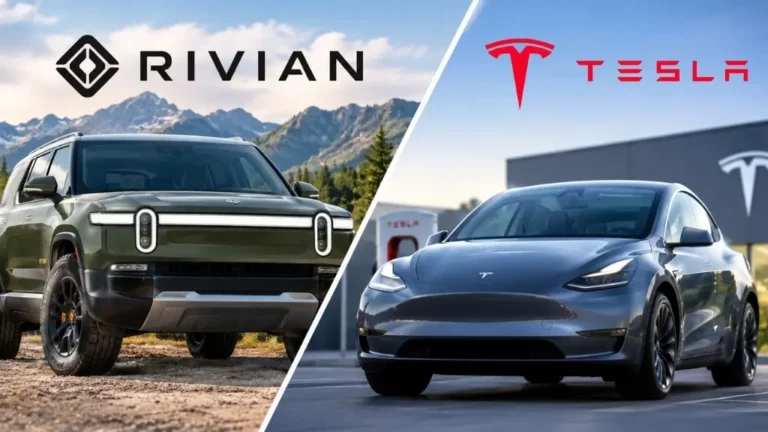
With the federal EV tax credits now expired for a full year, current battery electric vehicle (BEV) sales reflect underlying demand more accurately. Through September, BEV sales fell 29.2% year over year, and BEVs represented 6.2% of new light-vehicle sales, down 2.3 percentage points from the same period last year. That decline follows the removal of federal EV incentives and contrasts sharply with the growth in conventional hybrids.
Meanwhile, conventional hybrid sales increased 22.4% through September, and hybrid market share rose to 15.6%, up 3.1 percentage points year over year. The trend suggests consumers increasingly favor electrified powertrains that don’t require a full switch to battery electric vehicles.
An affordability challenge
Affordability pressure also built in September, with JD Power projecting the average interest rate on new-vehicle finance contracts will reach 6.66%, down 4 basis points from September 2025. The average monthly payment, however, will rise 3.2% to $821, a record for any September. NADA expects recent increases in Treasury yields to push borrowing costs and monthly payments even higher in the coming months.
New-vehicle demand has stayed robust despite those costs. Still, elevated interest rates, higher gas prices and slowing real wage growth could challenge consumers in the months ahead. Even so, NADA expects new light-vehicle sales in 2026 to meet or exceed 16.0 million units.