TSLA425.3004.70001%
GM75.520-1.56%
F13.650-0.25%
RIVN17.180-0.17%
CYD46.290-1.12%
HMC27.2600.15%
TM169.6601.24%
CVNA67.8902.07%
PAG177.080-1.87%
LAD290.300-0.19%
AN184.330-1.46%
GPI286.600-4.57%
ABG198.020-3.06%
SAH83.050-1.74%
TSLA425.3004.70001%
GM75.520-1.56%
F13.650-0.25%
RIVN17.180-0.17%
CYD46.290-1.12%
HMC27.2600.15%
TM169.6601.24%
CVNA67.8902.07%
PAG177.080-1.87%
LAD290.300-0.19%
AN184.330-1.46%
GPI286.600-4.57%
ABG198.020-3.06%
SAH83.050-1.74%
TSLA425.3004.70001%
GM75.520-1.56%
F13.650-0.25%
RIVN17.180-0.17%
CYD46.290-1.12%
HMC27.2600.15%
TM169.6601.24%
CVNA67.8902.07%
PAG177.080-1.87%
LAD290.300-0.19%
AN184.330-1.46%
GPI286.600-4.57%
ABG198.020-3.06%
SAH83.050-1.74%

New study says most SUVs lack sufficient backseat protection

While front seat occupants were well protected, only four out of 13 SUVs studied by IIHS earned high ratings for backseat passenger safety.
Backseat

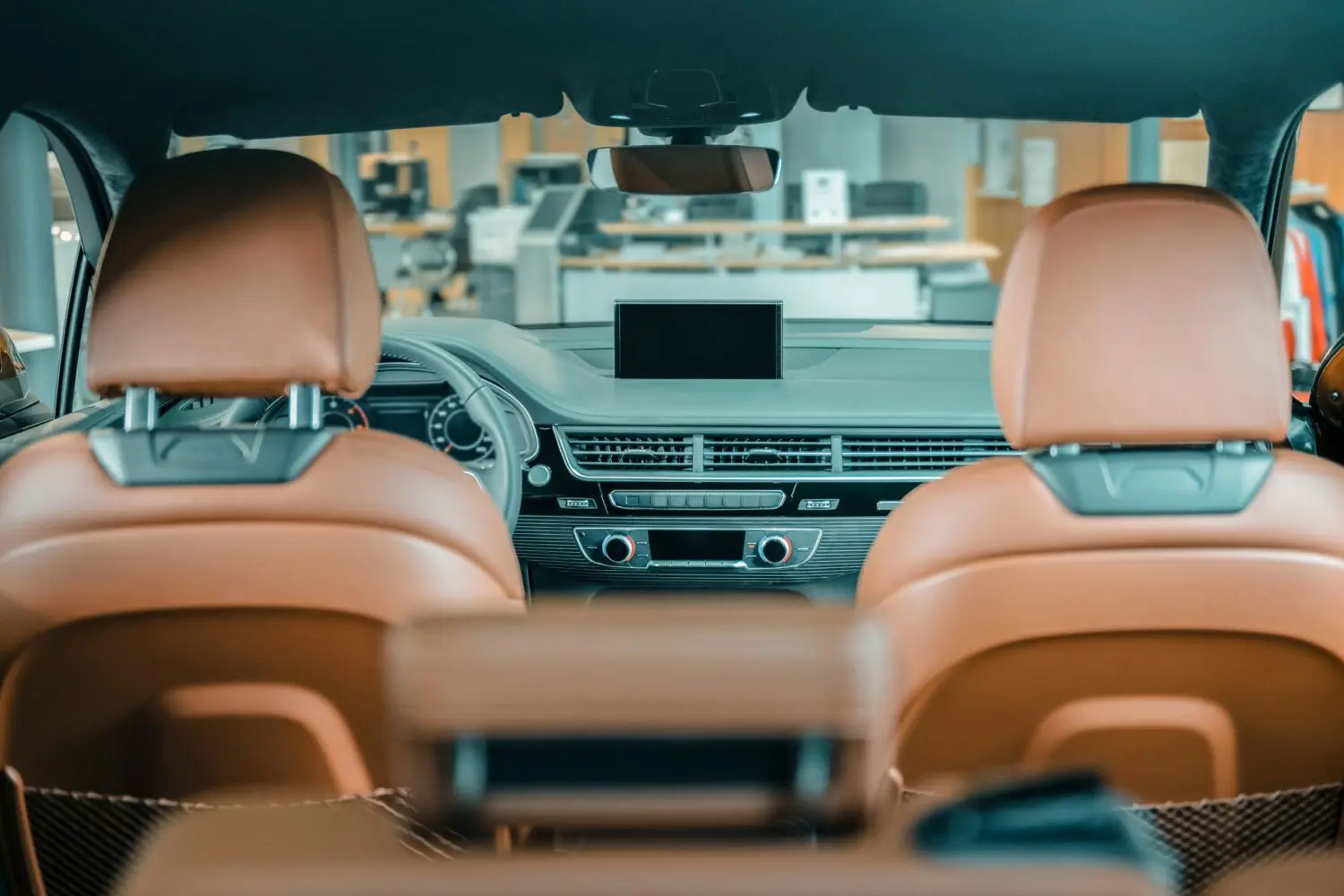
A new study by the Insurance Institute for Highway Safety (IIHS) suggests that most SUVs lack suitable protection for backseat passengers.

IIHS tested 13 SUVs to measure their backseat safety standards. For each car, the effectiveness of several safety elements and risks of injury for different body parts were assigned one of three grades: poor, marginal, acceptable and good. Grades were based on data obtained through a crash test dummy placed in the backseat.

Four vehicles, the Subaru Ascent, Tesla Model Y, Ford Explorer and Ford Mustang, finished with overall good backseat safety ratings. The Toyota Highlander, Volkswagen Atlas and Chevrolet Traverse were given marginal scores. The remaining six SUVs, the Jeep Grand Cherokee, Jeep Wrangler 4-door, Honda Pilot, Mazda CX-9, Hyundai Palisad and Nissan Murano received a poor rating.

Although IIHS notes that backseat passengers are 46% more likely to be killed in a crash than other passengers, the study explains that this difference is not due to a degradation of standards, but rather to an unequal focus on front seat protection. To fix this discrepancy, IIHS Senior Research Engineer Marcy Edwards recommends that OEMs begin customizing safety mechanisms developed for the front to rear passengers. “Zeroing in on weaknesses in rear safety is an opportunity to make big gains in a short time,” she comments, “since solutions that are already proven to work in the front can successfully be adapted for the rear.”

Read More
More from Articles

GM tops US sales in Q2 despite 33% drop in EV sales

- July 2, 2026
On the Dash: GM sold 714,896 vehicles in Q2, the most of any automaker, despite a 4.2% year-over-year drop. Hyundai-Kia and Honda both moved up a spot from Q1,...
Nissan

Nissan reports 16 straight months of retail sales growth

- July 2, 2026
On the Dash: Nissan Group reported second-quarter U.S. total sales of 242,741 units, up 9.6% year-over-year, with Nissan Division retail sales increasing 8.8% for the quarter. Frontier, Sentra, and Rogue...
US will not renew USMCA in current form, sets stage for new trade talks

US will not renew USMCA in current form, sets stage for new trade talks

- July 2, 2026
On the Dash: The U.S. rejected a 16-year USMCA renewal, but the pact stays in force until 2036. Trump plans separate bilateral deals with Canada and Mexico, each lasting up...
Toyota takes to the sky in air taxi JV with Joby Aviation

Toyota takes to the sky in air taxi JV with Joby Aviation

- July 2, 2026
On the Dash: Toyota and Joby formed a joint venture June 30 to build production infrastructure. Toyota contributes manufacturing expertise after nearly a decade backing Joby. The venture will...
CBT News
Privacy Overview

This website uses cookies so that we can provide you with the best user experience possible. Cookie information is stored in your browser and performs functions such as recognising you when you return to our website and helping our team to understand which sections of the website you find most interesting and useful.