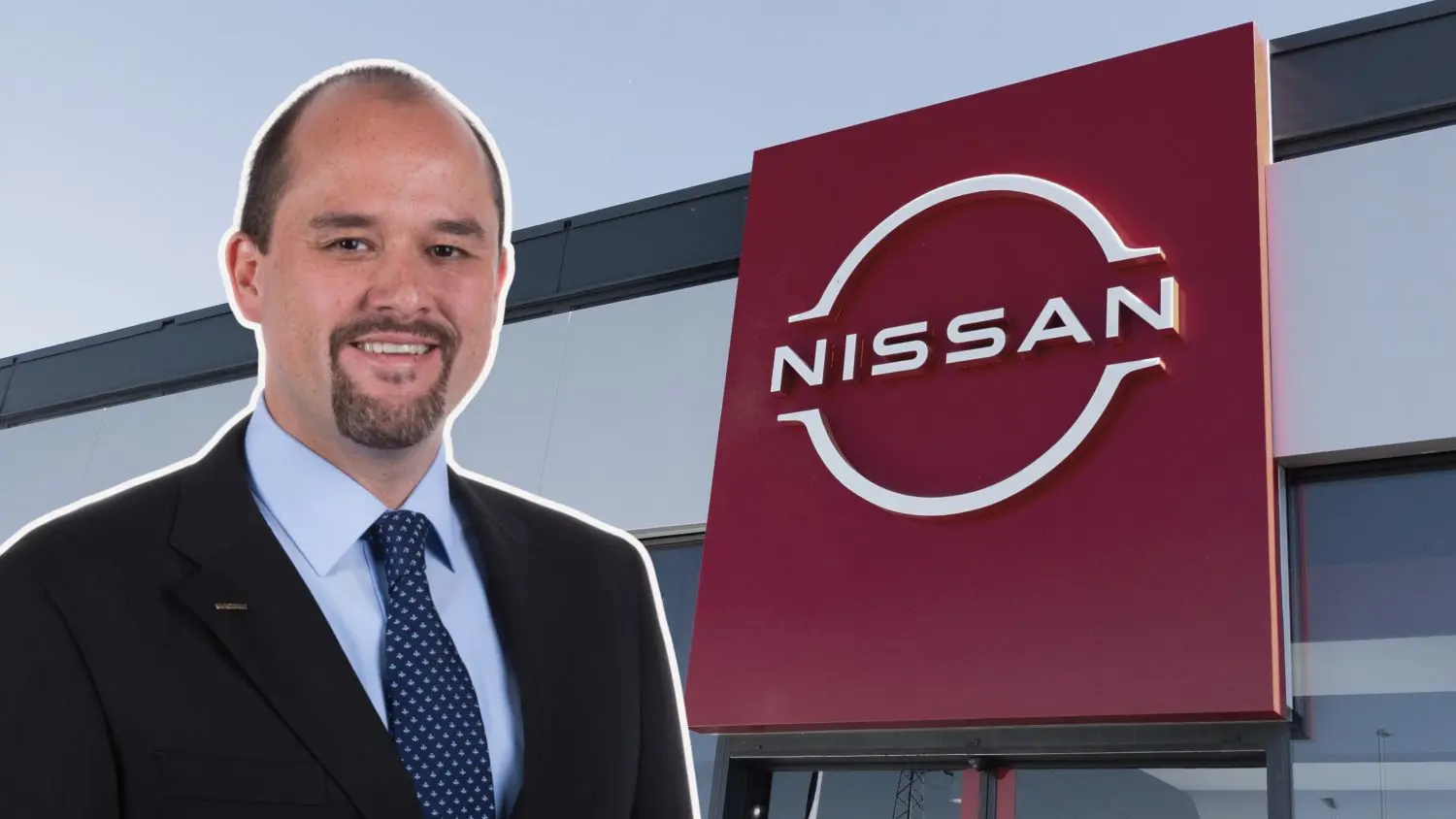
In today’s episode of Inside Automotive, we’re joined by Patrick Manzi, chief economist at the National Automobile Dealers Association (NADA), to discuss the current state of the retail automotive industry and his forecast for the remainder of 2025.
April marked the second consecutive month with a seasonally adjusted annual rate (SAAR) above 17 million units. Manzi highlights that March and April delivered the highest results since the spring of 2021, a period marked by a sharp consumer rush to showrooms ahead of the anticipated chip shortage. The recent surge, driven by tariffs, suggests strong pent-up demand, but he urges caution heading into the second half of the year.
Looking ahead, he expects second-quarter results to remain solid, buoyed by pull-ahead purchases as consumers accelerate their buying decisions in anticipation of rising costs. With MSRPs continuing to climb, Manzi believes many shoppers will gravitate toward used vehicles versus new ones.
Due to the increasing demand, prices for used vehicles are likely to continue rising. Currently, used-vehicle days’ supply hovers around 43 days, the lowest in several years. To meet increasing demand, Manzi anticipates that more dealers will begin to proactively advertise to purchase used vehicles directly from consumers to replenish inventory. Compounding the supply issue, off-lease volumes have dropped significantly, with leasing penetration falling from 30% to 15%.
Despite these headwinds, there is encouraging news on the labor front. Manzi points out that employment at franchised dealerships has returned to pre-pandemic levels, with over 1.1 million employees nationwide.
However, uncertainty still looms. According to Manzi, the most significant risks to the automotive market through the end of 2025 are rooted in persistent affordability concerns and steep borrowing costs. Longer-term Treasury yields remain elevated, resulting in higher auto finance rates. Higher interest rates, rising vehicle prices and increasing costs of car insurance continue to strain consumer affordability.
Data from the Bureau of Labor Statistics reveals that the Consumer Price Index (CPI) for motor vehicle insurance has grown by 55% compared to pre-pandemic levels.
He also highlights that the industry is likely to see a slowdown in growth due to the massive surge of pull-ahead purchases. For those who haven’t made a purchase yet, uncertainty surrounding the Trump administration’s shifting trade policy, particularly the implementation of auto tariffs, is likely to keep many buyers on the fence until there is more clarity.
Regarding EVs, Manzi highlights that franchise dealers control over 50% of the battery electric vehicle (BEV) market. Hybrids are also continuing to perform well, with sales up 40% year-over-year. Following the court ruling that overturned California’s Advanced Clean Cars II regulations, automakers are now positioned to realign their EV strategies with real-world consumer demand. While Manzi still expects BEV’s market share to grow, he notes the pace will likely be slower than initially anticipated.
For the full year, Manzi forecasts a SAAR between 15.3 to 15.4 units, down from an earlier projection of 16 million. However, he expects that the actual impact of the auto tariffs won’t be fully felt until 2026.
"We're not going to feel the effects of tariffs this year. I think that we will see more of an impact on sales in 2026. Right now, I think all the OEMs are just trying to figure out the optimal way to produce these vehicles and get them on the dealer lots." – Patrick Manzi