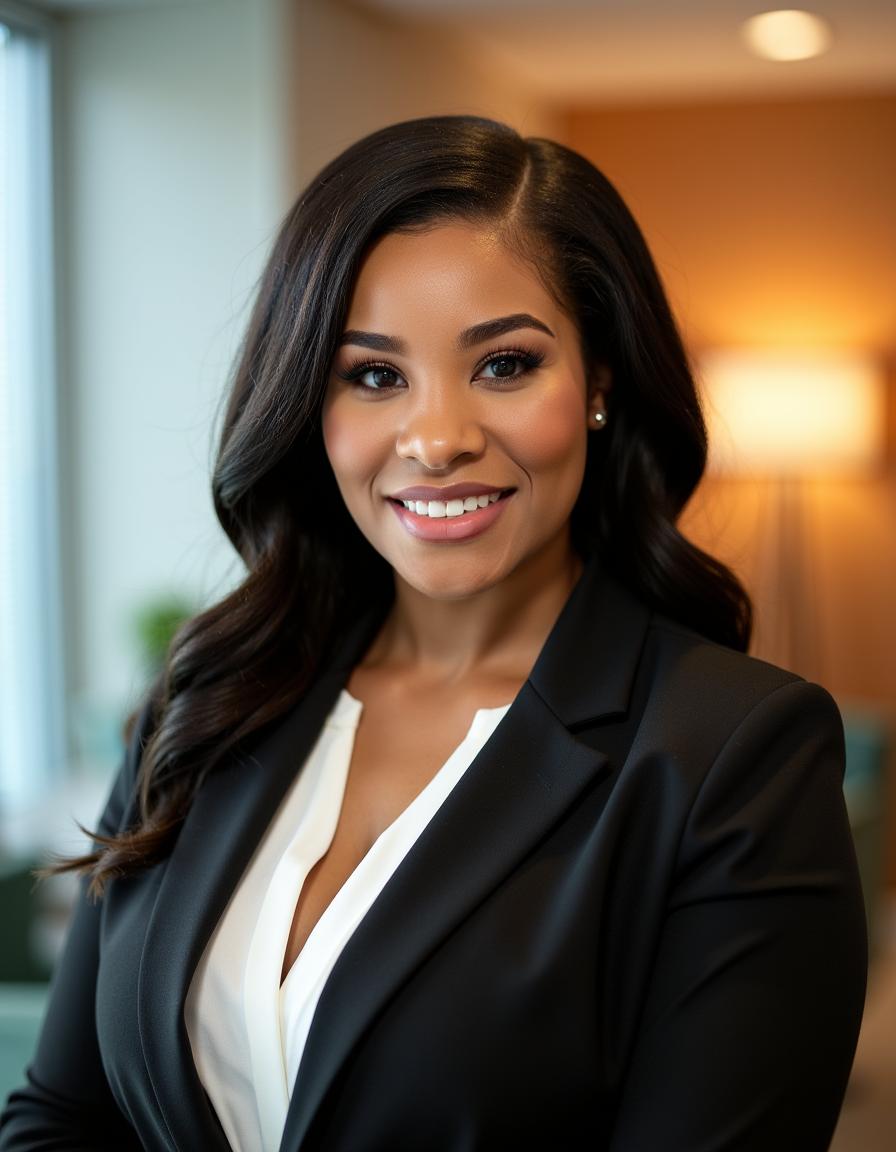

One-on-ones are among the most overlooked yet extraordinarily powerful tools for leaders across all industries. In today’s episode of CBT NOW, Jen Suzuki, sales trainer and president of eDealer Solutions and host of CBT News’ Loyalty-Based Sales Strategies, shares how to conduct impactful one-on-ones that accelerate team performance to boost profitability.
All leaders want their teams to be successful, and consistent touchbases are an excellent tool to teach and reinforce or change behaviors that contribute to performance. However, the biggest challenge is remembering to schedule these sessions. With customers to assist and hundreds of tasks demanding attention every day, one-on-ones often fall to the wayside. Suzuki stresses that these meetings need to be treated as a top priority because when they are put on the back burner, they are continually postponed.
Suzuki encourages leaders to wholeheartedly embrace their roles as both leaders and teachers. The goal is to contribute to the employee’s success. Recognition and praise are critical for morale.
"We need to look at one-on-ones as an opportunity to build skill levels to build the championship team."
Monetary incentives, such as gift cards, prizes, and pizza, have their place, but employees also need authentic acknowledgment, recognition, and engagement to feel valued.
It is unrealistic to expect a new salesperson to become a 30-car producer without guidance. Leaders must ask themselves, “What can I do to be part of their success?”
How to conduct an effective one-on-one
Suzuki breaks the process down into clear steps:
- Start on a positive note: Ask about the employee’s biggest win of the week and the actions that led to it. This not only provides recognition but also encourages strategic thinking and repeatable success. The formula: This action led to this result, I noticed it, and how can we do it over and over again?
- Address areas of opportunity: Discuss weaknesses or areas for improvement with specific examples. Show and don’t just tell.
- Set forward-looking goals: Explore what the employee is hoping to achieve and tie it to their “why.” Identify actionable steps to move closer to these goals.
- End on an inspiring note: Leave the conversation positive, encourage follow-ups, and lighten the mood.
Common mistakes to avoid
The biggest mistake Suzuki sees is leaders trying to cover these conversations on the fly. Planned one-on-ones benefit both parties. Leaders gain time to gather insights, while employees have a chance to reflect on performance and come prepared with questions, concerns, or ideas.
One-on-ones should be brief, focused, and follow a defined agenda to prevent wasted time. While personal topics and relationship-building are critical, they are better reserved for monthly check-ins where there is more flexibility.
Building a championship team
The most precious capital in a dealership is the human capital. Employees are essential for connecting with customers and driving profitability.
Suzuki’s experience working with frontline teams across two decades shows a consistent pattern: most employees wish their managers spent more time with them. People want to do a great job, but they need guidance and support. One-on-ones are the simplest and most impactful way to provide it and are crucial for long-term success.