TSLA406.55017.65%
GM82.4854.435%
F12.9950.5551%
RIVN17.5300.64%
CYD43.1400.8181%
HMC25.2250.865%
TM219.6456.785%
CVNA395.80033.56%
PAG163.0807.06%
LAD287.16012.29%
AN209.46511.175%
GPI351.98516.505%
ABG214.0509.96%
SAH71.1603.79%
TSLA406.55017.65%
GM82.4854.435%
F12.9950.5551%
RIVN17.5300.64%
CYD43.1400.8181%
HMC25.2250.865%
TM219.6456.785%
CVNA395.80033.56%
PAG163.0807.06%
LAD287.16012.29%
AN209.46511.175%
GPI351.98516.505%
ABG214.0509.96%
SAH71.1603.79%
TSLA406.55017.65%
GM82.4854.435%
F12.9950.5551%
RIVN17.5300.64%
CYD43.1400.8181%
HMC25.2250.865%
TM219.6456.785%
CVNA395.80033.56%
PAG163.0807.06%
LAD287.16012.29%
AN209.46511.175%
GPI351.98516.505%
ABG214.0509.96%
SAH71.1603.79%

Hyundai and Kia report higher auto sales for May, see EV segment grow

Kia and its parent company Hyundai published monthly reports for the U.S. showing higher auto sales numbers throughout May

Kia and its parent company Hyundai published monthly reports for the U.S. showing higher auto sales numbers throughout May than during the year-prior period.

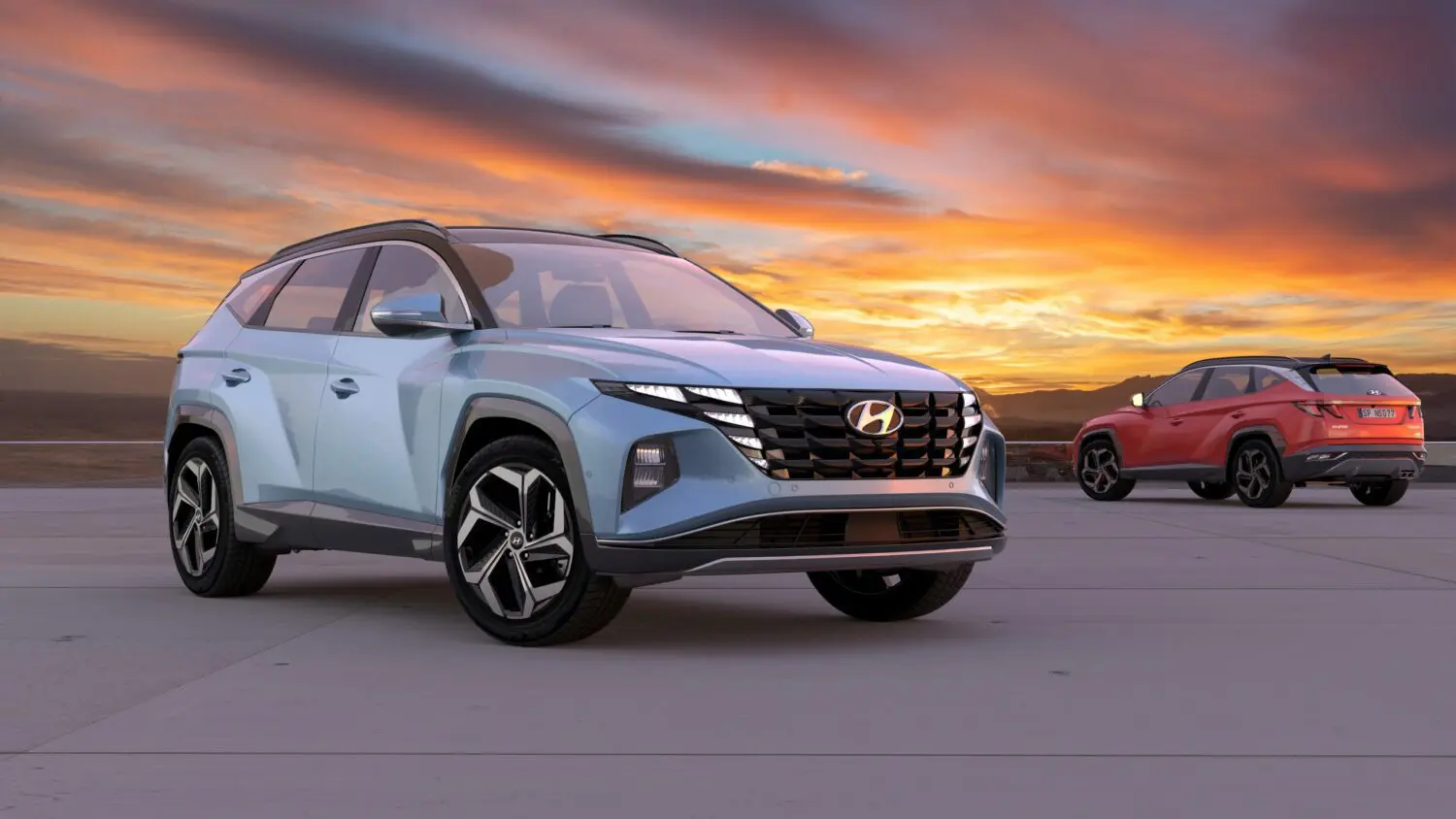
Hyundai Motor America’s retail sales climbed 8% from May 2022. Combined with fleet sales, the car manufacturer saw total volume increase by 18% year-over-year. Demand for the automaker’s electric vehicle lineup grew substantially, with two models, the Santa Fe HEV, and Tucson PHEV, seeing more than twice as many deliveries as last spring. Writing in a press release, the CEO of Hyundai Motor America, Randy Parker, noted the company’s “eco-friendly sales performed exceptionally well” and contributed “significantly to our strong retail and total sales results.” The brand’s monthly sales total of 70,001 units fell just short of the 70,812 reported in April.

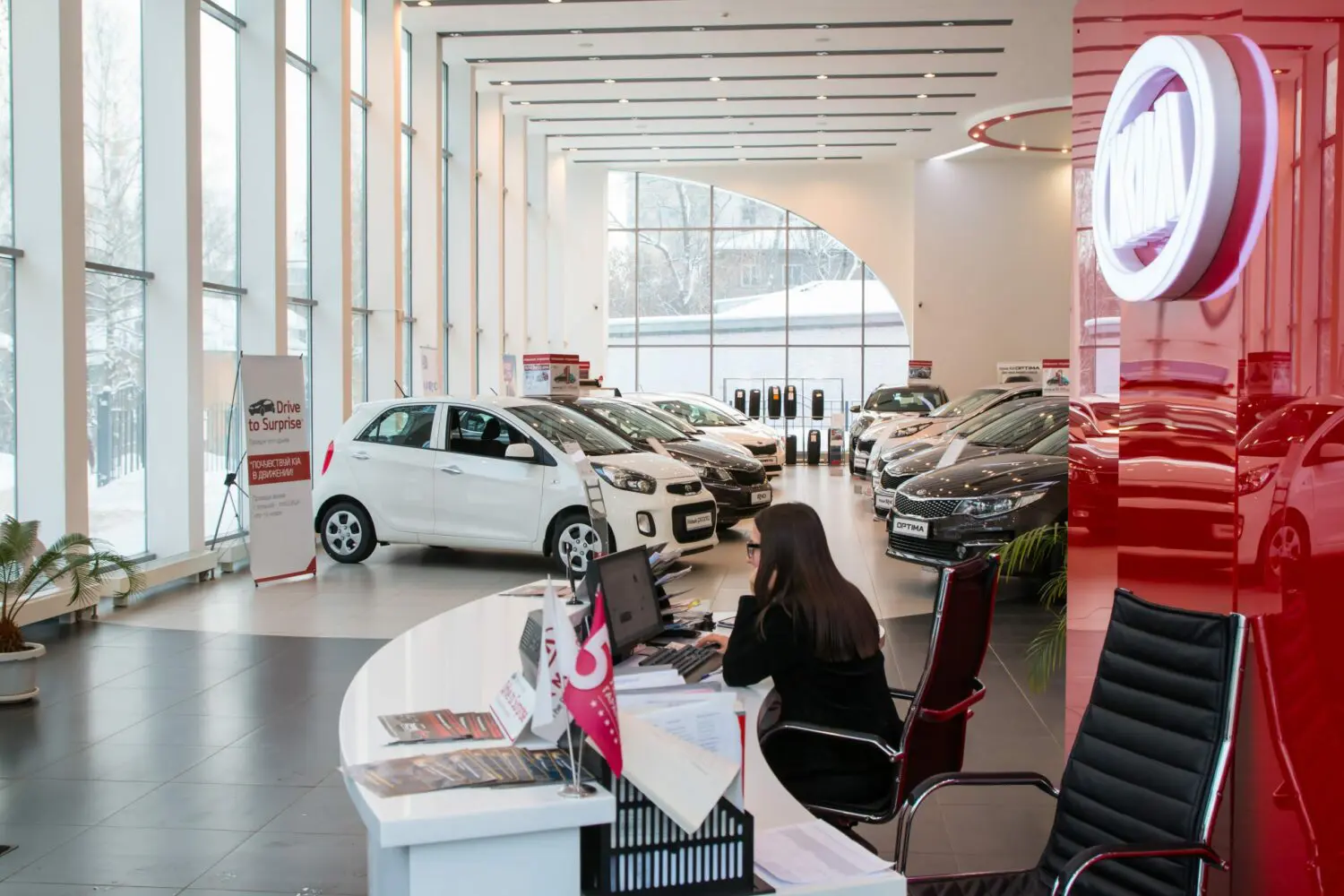
While both brands shared similar results, Kia America outpaced Hyundai in several areas. The brand’s overall auto sales volume was its second-highest for May and 23% greater than last year. Monthly EV sales set a new all-time sales record and increased by 33% compared to the same period in 2022. Much of the car manufacturer’s growth arose from an increasing demand for SUVs, which vice president of sales operations, Eric Watson, said accounted for “More than two out of every three Kia vehicles sold in the U.S…” The company’s May deliveries outpaced April, reaching 71,497 units compared to 68,205 units.

Both companies have now seen ten consecutive months of improving year-over-year auto sales. While delivery volumes have remained less consistent month-over-month, the gradual improvements indicate that the two car manufacturers have yet to relapse back to their post-pandemic slump. While inventory shortages remain an obstinate roadblock for Hyundai and Kia, both are well-positioned to tackle a potentially strenuous summer, threatening to inflict a recession on the U.S. economy.
Read More
More from Articles
GM leans on global production to supply U.S. market amid cost pressures

GM leans on global production to supply U.S. market amid cost pressures

- April 17, 2026
On the Dash: Imported inventory may create variability in delivery timing and supply consistency. Trade policy shifts could impact the pricing and availability of certain models. Global production strategies may...
Volkswagen ends U.S. EV output, triggering $600 million financial hit 

Volkswagen ends U.S. EV output, triggering $600 million financial hit 

- April 17, 2026
On the Dash: Slower EV demand may impact inventory planning and turn rates for electric models. Production pullbacks could tighten EV supply or shift sourcing toward imports. Ongoing cost pressures...
March sales surge tightens inventory, affordability gaps persist

March sales surge tightens inventory, affordability gaps persist

- April 17, 2026
On the Dash: Faster March sales improved inventory flow, but demand remains uneven heading into Q2. Limited sub-$40K inventory continues to constrain volume opportunities. Rising incentives indicate growing pressure to...
Independent shops are gaining ground, but dealerships retain advantages in expertise, loyalty, and digital tools: New CDK Service Shopper 5.0 survey shows

Independent shops gain ground as dealerships face mounting pressure

- April 17, 2026
On the dash: Independent shops are gaining share, but dealerships still lead at 42% overall service volume. Dealerships win on expertise, OEM parts access, EV repairs, and stronger customer loyalty...
CBT News
Privacy Overview

This website uses cookies so that we can provide you with the best user experience possible. Cookie information is stored in your browser and performs functions such as recognising you when you return to our website and helping our team to understand which sections of the website you find most interesting and useful.