TSLA400.620400.62%
GM81.3203.27%
F12.8700.43%
RIVN17.23017.23%
CYD43.2600.9381%
HMC25.0000.64%
TM217.2004.34%
CVNA387.50025.26%
PAG161.3205.3%
LAD283.0408.17%
AN207.9909.7%
GPI349.94014.46%
ABG211.4407.35%
SAH70.7003.33%
TSLA400.620400.62%
GM81.3203.27%
F12.8700.43%
RIVN17.23017.23%
CYD43.2600.9381%
HMC25.0000.64%
TM217.2004.34%
CVNA387.50025.26%
PAG161.3205.3%
LAD283.0408.17%
AN207.9909.7%
GPI349.94014.46%
ABG211.4407.35%
SAH70.7003.33%
TSLA400.620400.62%
GM81.3203.27%
F12.8700.43%
RIVN17.23017.23%
CYD43.2600.9381%
HMC25.0000.64%
TM217.2004.34%
CVNA387.50025.26%
PAG161.3205.3%
LAD283.0408.17%
AN207.9909.7%
GPI349.94014.46%
ABG211.4407.35%
SAH70.7003.33%

Automatic emergency braking to be mandatory under new NHTSA proposal

The NHTSA has submitted a proposal to make automatic emergency braking systems a required safety measure in all new vehicles

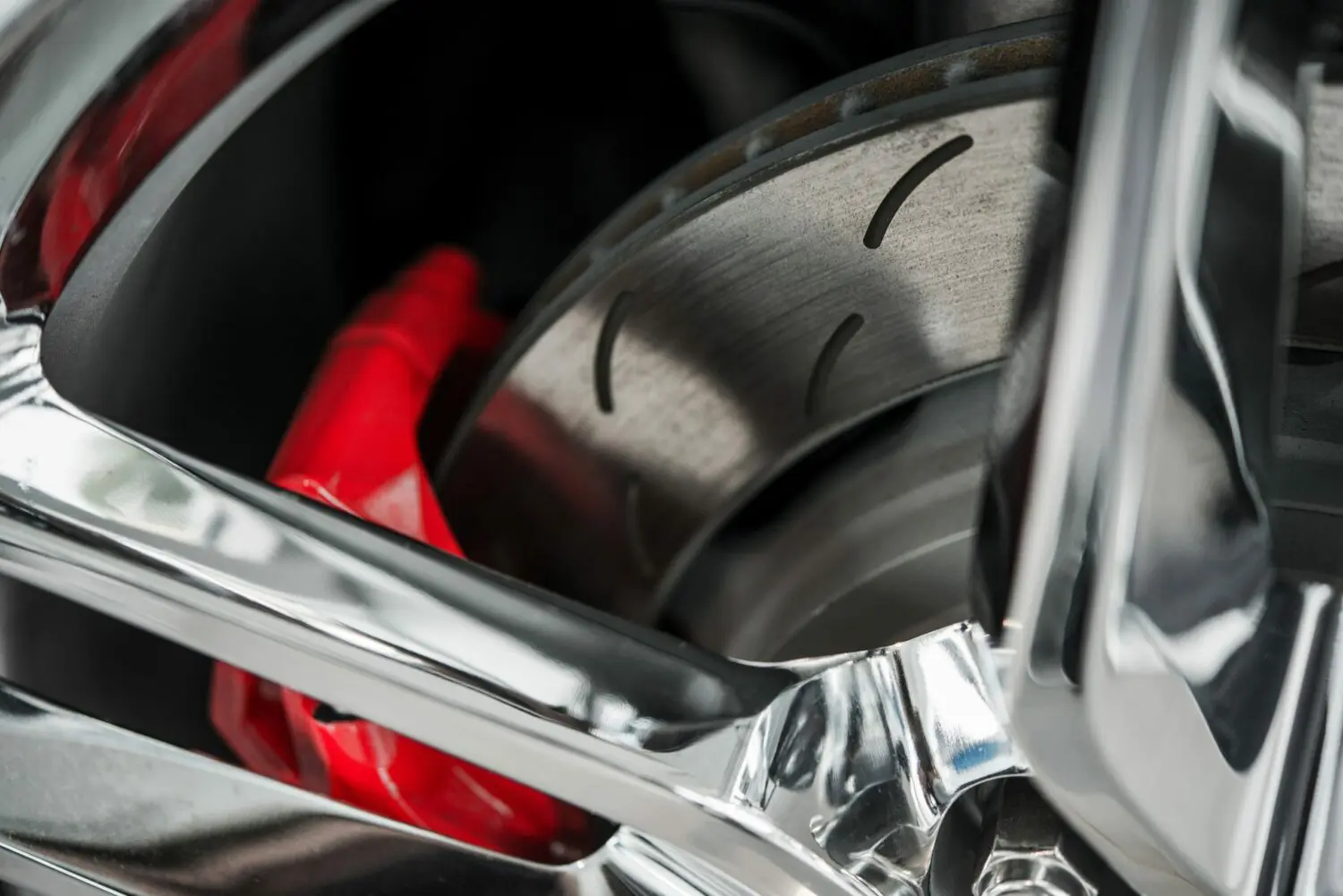
The National Highway Traffic Safety Administration (NHTSA) has submitted a proposal to make automatic emergency braking systems (AEB) a required safety measure in all new vehicles.

AEB systems rely on various sensors to track vehicle environments and apply brakes when the driver fails to react to an oncoming object. While the effectiveness of automatic braking differs somewhat between brands, the NHTSA proposes a unified standard, requiring all cars to include pedestrian detection and be capable of preventing accidents at speeds up to 62 miles per hour. 

The agency notes that such a rule could prevent 360 deaths and 24,000 injuries annually and that many accidents “would be avoided altogether…” As currently written, the rule would apply to new vehicles in the small-to-mid-size range but not to those heavier than 10,000 pounds. Car manufacturers would have three years to comply with the policy once implemented. 

U.S. transportation secretary Pete Buttigieg compared the safety measure to older devices such as airbags and seat belts, stating, “Automatic emergency braking on cars and trucks would keep all of us safer on our roads.” NHTSA chief counsel Ann Carlson also called the rule “a major safety advancement” and noted that AEB systems have proved successful even at slower speeds.

The proposal is part of the NHTSA’s National Roadway Safety Strategy, which is supported by funds distributed under the Biden Administration’s Bipartisan Infrastructure Law. This legislation includes a provision requiring the agency “to create a rule to establish minimum performance standards requiring that all passenger vehicles manufactured for sale in the United States be equipped with an AEB system.”
Read More
More from Articles
New York doubles down on electric school bus mandate

New York doubles down on costly electric bus mandate as reality sets in

- April 20, 2026
Albany isn’t hitting the brakes—it’s flooring the accelerator on a policy that’s already raising red flags with the people who have to pay for it. New York’s electric school bus...
STL launches ‘Neuralis’ in the US: A high-performance Data Center portfolio engineered for the AI era

STL launches ‘Neuralis’ in the US: A high-performance Data Center portfolio engineered for the AI era

- April 17, 2026
Washington, United States, 17/April/2026: STL Optical Connectivity NA, LLC,  (STLOC),  a U.S. subsidiary of STL [NSE: STLTECH], a leading connectivity solutions provider for AI-ready digital infrastructure, today announced the U.S. launch of Neuralis, its flagship...
GM leans on global production to supply U.S. market amid cost pressures

GM leans on global production to supply U.S. market amid cost pressures

- April 17, 2026
On the Dash: Imported inventory may create variability in delivery timing and supply consistency. Trade policy shifts could impact the pricing and availability of certain models. Global production strategies may...
Volkswagen ends U.S. EV output, triggering $600 million financial hit 

Volkswagen ends U.S. EV output, triggering $600 million financial hit 

- April 17, 2026
On the Dash: Slower EV demand may impact inventory planning and turn rates for electric models. Production pullbacks could tighten EV supply or shift sourcing toward imports. Ongoing cost pressures...
CBT News
Privacy Overview

This website uses cookies so that we can provide you with the best user experience possible. Cookie information is stored in your browser and performs functions such as recognising you when you return to our website and helping our team to understand which sections of the website you find most interesting and useful.