TSLA376.3002.58%
GM78.050-0.47%
F12.385-0.095%
RIVN16.520-0.43%
CYD42.2400.37%
HMC24.340-0.14%
TM192.320-3.76%
CVNA409.0506.03%
PAG160.4200.42%
LAD274.920-1.47%
AN203.0700.1%
GPI341.3901.61%
ABG203.0601.05%
SAH71.8400.62%
TSLA376.3002.58%
GM78.050-0.47%
F12.385-0.095%
RIVN16.520-0.43%
CYD42.2400.37%
HMC24.340-0.14%
TM192.320-3.76%
CVNA409.0506.03%
PAG160.4200.42%
LAD274.920-1.47%
AN203.0700.1%
GPI341.3901.61%
ABG203.0601.05%
SAH71.8400.62%
TSLA376.3002.58%
GM78.050-0.47%
F12.385-0.095%
RIVN16.520-0.43%
CYD42.2400.37%
HMC24.340-0.14%
TM192.320-3.76%
CVNA409.0506.03%
PAG160.4200.42%
LAD274.920-1.47%
AN203.0700.1%
GPI341.3901.61%
ABG203.0601.05%
SAH71.8400.62%

House rejects GOP bid to block anti-drunken driving technology in new vehicles

A bipartisan vote has upheld the 2021 infrastructure law, which mandates the inclusion of alcohol-detection and driver-monitoring systems. This measure is intended to curb drunk-driving fatalities across the U.S.

House rejects GOP bid to block anti-drunken driving technology in new vehicles

On the Dash:

  • House votes 268-164 to preserve funding for anti-drunken driving technology in new vehicles.
  • Opponents cite privacy and due-process concerns; supporters emphasize lives saved.
  • Advocacy efforts, including MADD’s 15-year campaign, contributed to the vote’s strong margin.

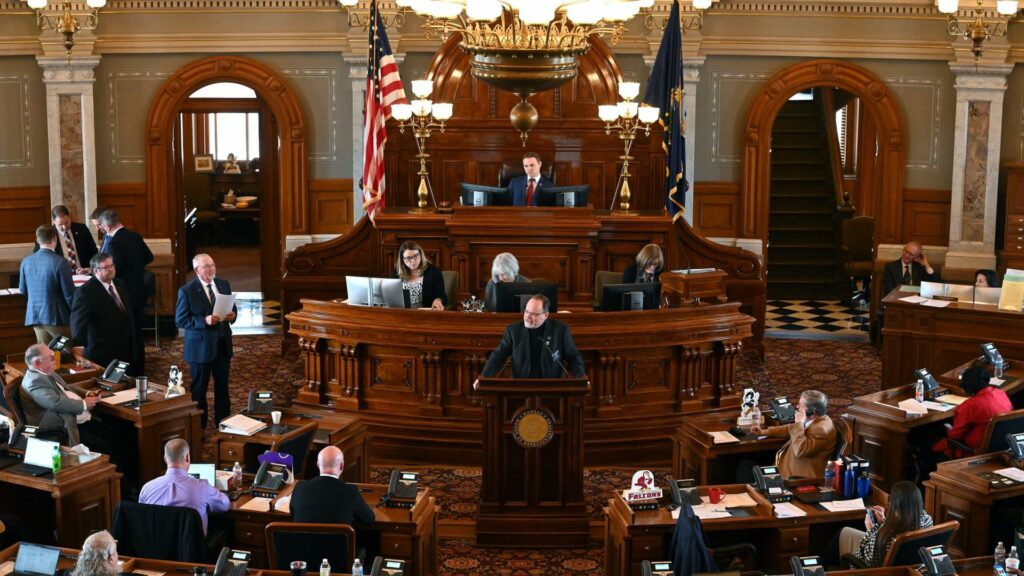
The U.S. House on Thursday voted 268-164 to defeat an amendment that would have blocked funding for a federal mandate requiring automakers and regulators to install anti-drunken driving technology in new vehicles. 

The measure preserves a 2021 provision passed as part of the bipartisan infrastructure package, designed to reduce the more than 12,000 annual deaths caused by drunk drivers in the United States.

Rep. Debbie Dingell championed the provision after the 2019 deaths of the Abbas family in a wrong-way crash caused by an intoxicated driver. The law directed federal regulators to develop standards for alcohol detection and driver behavior monitoring in new vehicles, though deadlines for formal regulations have passed without action. Dingell recently introduced a bill to expedite the technology’s rollout while longer-term regulatory discussions continue.

Sign up for CBT News’ daily newsletter and get the latest industry stories delivered straight to your inbox

Meanwhile, Rep. Thomas Massie proposed the amendment to block funding, citing civil liberties and privacy concerns. Massie argued that the systems could falsely identify safe drivers as impaired and potentially disable vehicles in dangerous conditions, creating legal and practical complications. GOP colleagues Reps. Scott Perry and Chip Roy echoed concerns about due-process rights and the potential risks posed by technology that could automatically prevent a vehicle from operating.

Conversely, House Democrats defended the provision, noting that alcohol detection and driver monitoring technology is intended to prevent fatalities without infringing on privacy. Officials stressed that the systems under development do not track vehicle locations or collect sensitive personal data, and that the legislation allows automakers and regulators flexibility in choosing the most effective safety approaches.

Safety advocacy groups praised the vote, viewing the measure as a vital step in reducing deaths caused by drunk driving. Mothers Against Drunk Driving, for example, attributed the positive outcome to years of advocacy and educational efforts that helped legislators recognize the technology’s ability to prevent fatal crashes.

The vote ensures continued funding for regulators to finalize standards and for automakers to integrate alcohol-detection and driver-monitoring systems into new vehicles, a move officials and safety advocates say is essential to protecting lives on U.S. roads.


Read More
More from Safety & Compliance
P2SS, NHTSA launches Pathways to Safer Streets initiative to curb U.S. traffic fatalities

NHTSA launches Pathways to Safer Streets initiative to curb U.S. traffic fatalities

- April 22, 2026
On the Dash: Increased enforcement of speeding, distracted driving, and seat belt use could influence customer driving behavior and liability considerations. Expansion of safety tech and telematics may accelerate consumer...
FTC urges dealers to report competitors for deceptive pricing practices

FTC invites dealers to report potential pricing issues across the industry

- April 21, 2026
On the Dash: FTC is increasing enforcement and expects dealers to help identify noncompliant competitors. All-in pricing, including doc fees, must be clearly disclosed in advertising. Noncompliant pricing tactics risk...
Broker activity faces rising scrutiny as states and OEMs tighten enforcement, increasing compliance risk and reshaping dealer operations.

Broker blockade: Industry crackdown reshapes dealership compliance

- April 21, 2026
The automotive broker industry faces increased scrutiny as tighter franchise laws, differences in state-level enforcement, and growing pressure from dealership groups reshape how new vehicles are sold.  Brokers act as...
Euro NCAP says U.S. politics slowing vehicle safety progress

Euro NCAP says U.S. politics slowing vehicle safety progress

- April 9, 2026
On the Dash: Euro NCAP leaders say political oversight in the U.S. is delaying safety innovation and regulatory updates. U.S. vehicle safety performance, particularly in pedestrian protection, is trailing European...
CBT News
Privacy Overview

This website uses cookies so that we can provide you with the best user experience possible. Cookie information is stored in your browser and performs functions such as recognising you when you return to our website and helping our team to understand which sections of the website you find most interesting and useful.