
On the Dash:
- GM will invest C$144 million to add next-generation GMC Sierra heavy-duty truck production at its Oshawa, Ontario, plant.
- The automaker pledged more than C$1 billion in Canadian investments, including C$691 million for new V8 engine production.
- The deal comes as Canada’s auto industry faces 25% U.S. vehicle tariffs, with rates potentially rising to 50% in 2027.
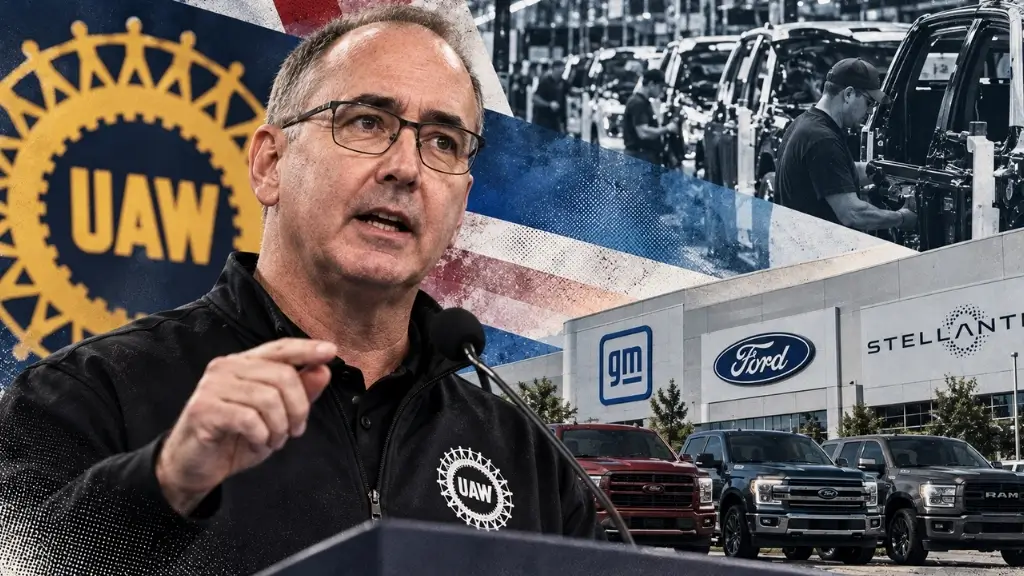
On Sunday, Canada’s union, Unifor, announced that General Motors employees in Ontario voted to approve a new three-year labor agreement that adds production of the next-generation heavy-duty GMC Sierra pickup at GM’s Oshawa plant.
According to Unifor, the agreement calls for GM to invest roughly $103.6 million (C$144 million) in the Oshawa facility and includes more than approximately $719 million (C$1 billion) in combined Canadian investments. That total includes about $497.1 million (C$691 million) for next-generation V8 engine production, announced in April, and roughly $154.7 million (C$215 million) for new-generation transmission assembly at GM’s St. Catharines plant, set to begin in late 2029. GM also pledged not to sell or close its idled second Ontario assembly plant in Ingersoll for the duration of the contract.
The deal comes as Canada’s auto industry faces a 25% U.S. tariff on vehicles, with President Donald Trump threatening to raise that rate to 50% on Jan. 1, 2027. U.S.-Canada trade talks aimed at lowering the tariff broke down last week over unresolved issues, including duties on medium- and heavy-duty vehicles. Barclays estimates Canada accounts for about 17% of GM’s Chevrolet Silverado production, the automaker’s top-selling model, leaving the company exposed to any tariff increase.
Under the ratified contract, GM will raise wages 3% annually for three years. The agreement covers about 4,600 Unifor members across GM’s Oshawa, St. Catharines and Woodstock plants in Ontario; Unifor said 80.5% of members at those plants voted in favor, while a separate Woodstock contract passed with 96.5% support. GM said the agreement strengthens wages, benefits and job security while helping sustain manufacturing jobs in Canada.