TSLA445.27011.82%
GM75.810-0.63%
F13.5851.595%
RIVN14.2700.32%
CYD51.0202.5%
HMC24.3700.26%
TM186.8905.22%
CVNA69.900-3.82%
PAG166.580-2.45%
LAD273.220-2.08%
AN191.110-4.25%
GPI327.780-8.36%
ABG192.850-0.83%
SAH76.120-2.46%
TSLA445.27011.82%
GM75.810-0.63%
F13.5851.595%
RIVN14.2700.32%
CYD51.0202.5%
HMC24.3700.26%
TM186.8905.22%
CVNA69.900-3.82%
PAG166.580-2.45%
LAD273.220-2.08%
AN191.110-4.25%
GPI327.780-8.36%
ABG192.850-0.83%
SAH76.120-2.46%
TSLA445.27011.82%
GM75.810-0.63%
F13.5851.595%
RIVN14.2700.32%
CYD51.0202.5%
HMC24.3700.26%
TM186.8905.22%
CVNA69.900-3.82%
PAG166.580-2.45%
LAD273.220-2.08%
AN191.110-4.25%
GPI327.780-8.36%
ABG192.850-0.83%
SAH76.120-2.46%

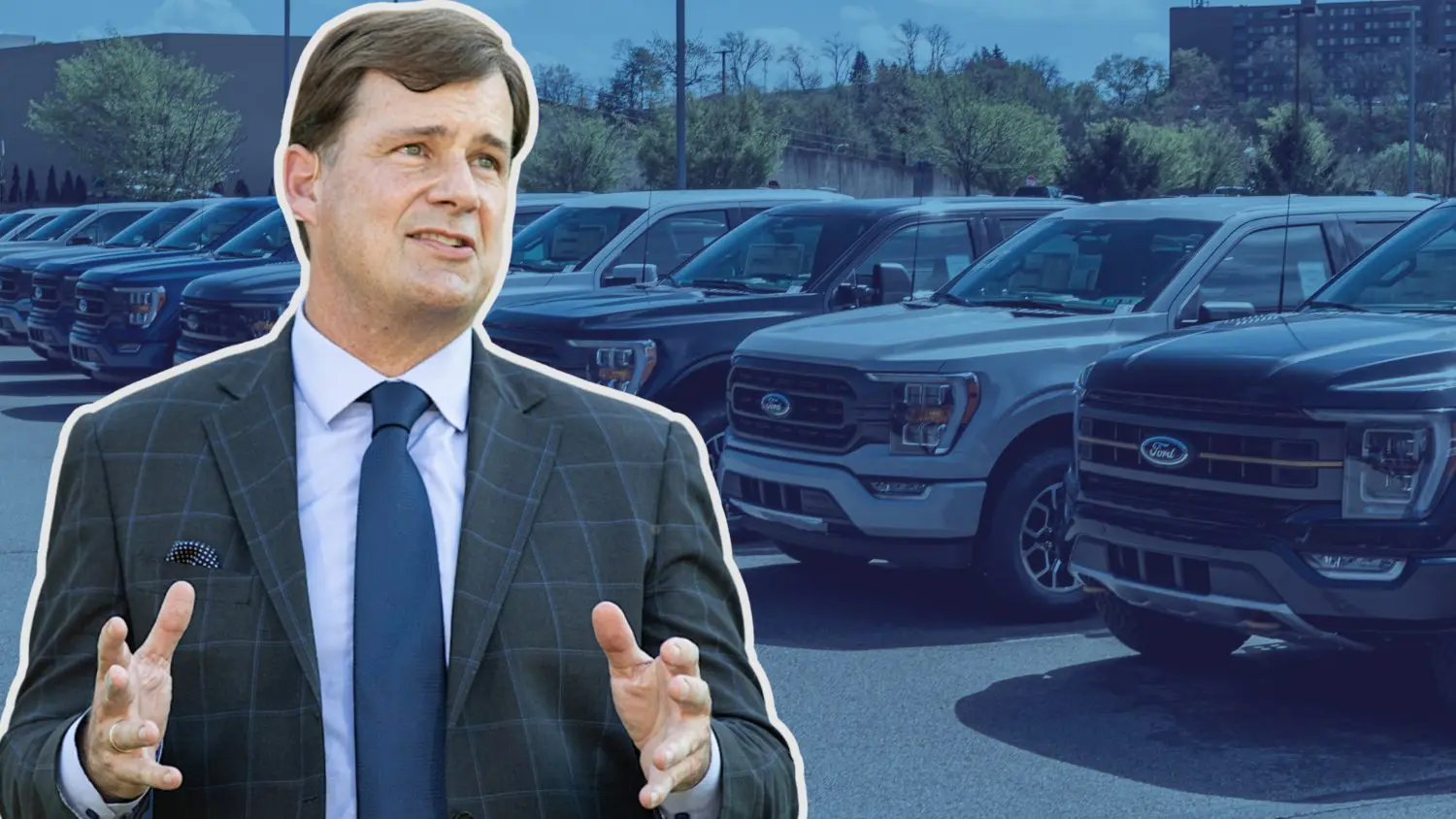
Ford’s Jim Farley calls for industrial independence, limited tariffs

Jim Farley advocates for a stronger industrial base, warning of supply risks tied to foreign reliance.
Ford

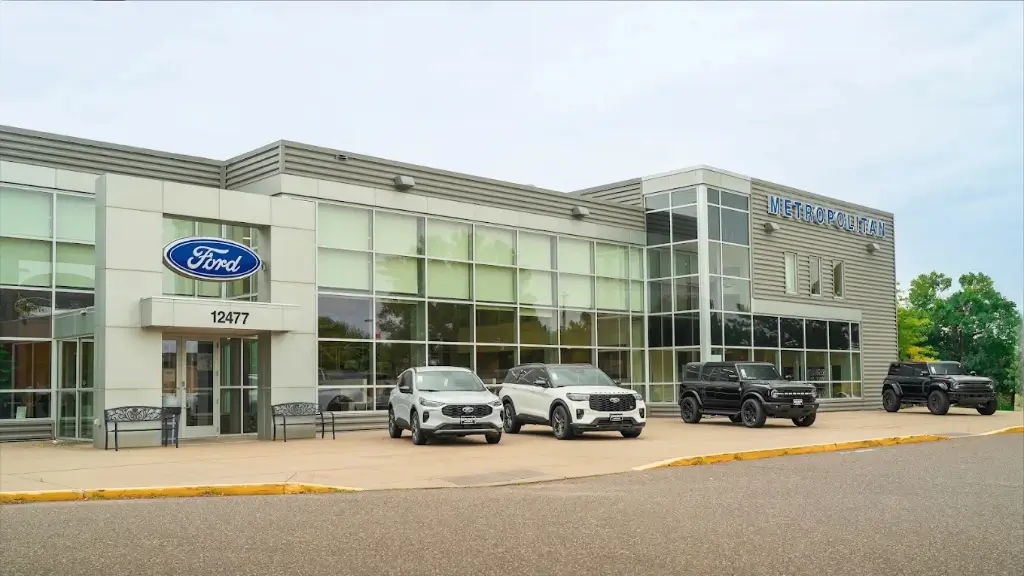
Ford Motor Company CEO Jim Farley is urging policymakers to consider modest tariffs as a tool to support domestic manufacturing and job creation. Speaking at the Aspen Ideas Festival on June 27, he emphasized that a stronger U.S. industrial base is essential for national resilience, especially in sectors tied to automotive production and supply chains.

Farley said U.S. automakers face disadvantages when competing with global rivals backed by government subsidies and argued that limited tariffs could help level the playing field without significantly raising vehicle costs. He proposed a framework that encourages domestic vehicle production while still allowing global sourcing for parts to maintain affordability and supply chain diversity.

Sign up for CBT News’ daily newsletter and get the latest industry stories delivered straight to your inbox.

The remarks reflect a shift in tone from February, when Farley sharply criticized President Donald Trump’s trade policies, warning they had created confusion and added unnecessary costs. While still cautious about sweeping tariffs, Farley now supports targeted measures to bolster what he calls the “essential economy” — jobs in construction, manufacturing, agriculture, and skilled trades.

Farley also highlighted the fragility of U.S. supply chains, citing a recent three-week production halt at Ford factories due to a shortage of high-powered magnets made with rare-earth minerals. He noted that these materials, which are primarily sourced from China, are vital to components like seats, windshield wipers, and audio systems.

In addition to trade concerns, Farley discussed labor and workforce challenges. He pointed to Ford’s position as the largest employer of United Auto Workers (UAW) members and acknowledged the company had not realized how stagnant wages had become prior to its 2023 contract negotiations. That deal delivered a 25 percent pay increase and enhanced benefits.

While Farley said he supports better compensation for factory workers to address the skilled labor gap, he expressed confusion over the UAW’s decision to strike during last year’s negotiations. The walkout, which affected all three Detroit automakers, was ultimately resolved with Ford offering significantly more value than its initial proposal.

Farley said industry and government must align to rebuild U.S. manufacturing strength, reduce foreign dependency, and better reward the American workforce.
Read More
More from Articles
The simple 'paperwork' mistake that could cost dealers $10,000

The simple ‘paperwork’ mistake that could cost dealers $10,000

- May 13, 2026
On the Dash: CDK Global says a paperwork problem cost a dealer $10,000 during a manufacturer audit. NADA calls federal record-keeping requirements among the most burdensome rules dealers face today. ...
GM-LG battery venture recalls small group of Ohio workers as EV demand slows

GM-LG battery venture recalls small group of Ohio workers as EV demand slows

- May 13, 2026
On the Dash: EV production volatility is directly affecting supply chain employment and factory output decisions. Incentive-driven demand shifts are forcing automakers to adjust production more quickly than long-term EV...
Nissan projects return to profit after seventh straight quarterly loss

Nissan projects return to profit after seventh straight quarterly loss

- May 13, 2026
On the Dash: Nissan’s projected return to profit could improve dealer confidence after multiple quarters of financial instability. Ongoing model cuts and production restructuring may impact future inventory mix and...
New-vehicle prices rose in April, but the gains fell short of the historical average, with wide variation across brands and segments, according to Kelley Blue Book.

New-vehicle prices rise in April, but the pace is cooling

- May 13, 2026
On the Dash: New-vehicle ATP rose 1.8% year over year in April, below the 3.6% long-term average. Ford and GM posted strong gains while several luxury brands saw transaction prices...
CBT News
Privacy Overview

This website uses cookies so that we can provide you with the best user experience possible. Cookie information is stored in your browser and performs functions such as recognising you when you return to our website and helping our team to understand which sections of the website you find most interesting and useful.