
TSLA358.970-6.47%
GM87.1601.545%
F13.850-0.12%
RIVN15.860-0.17%
CYD35.000-0.82%
HMC32.490-0.03%
TM197.560-0.64%
CVNA70.8651.705%
PAG217.1501.24%
LAD360.2702.25001%
AN205.5901.92%
GPI284.0105.74%
ABG208.9100.41%
SAH76.2900.39%
TSLA358.970-6.47%
GM87.1601.545%
F13.850-0.12%
RIVN15.860-0.17%
CYD35.000-0.82%
HMC32.490-0.03%
TM197.560-0.64%
CVNA70.8651.705%
PAG217.1501.24%
LAD360.2702.25001%
AN205.5901.92%
GPI284.0105.74%
ABG208.9100.41%
SAH76.2900.39%
TSLA358.970-6.47%
GM87.1601.545%
F13.850-0.12%
RIVN15.860-0.17%
CYD35.000-0.82%
HMC32.490-0.03%
TM197.560-0.64%
CVNA70.8651.705%
PAG217.1501.24%
LAD360.2702.25001%
AN205.5901.92%
GPI284.0105.74%
ABG208.9100.41%
SAH76.2900.39%

Ford seeks federal approval to keep selling China-built Lincoln Nautilus in U.S.

Ford joins a growing list of automakers navigating a complex licensing process as new restrictions on Chinese vehicle technology reshape global supply chains.

Ford seeks federal approval to keep selling China-built Lincoln Nautilus in U.S.

On the Dash:

  • Ford has asked the U.S. Commerce Department for authorization to continue importing and selling the China-built Lincoln Nautilus in the U.S.
  • New rules banning Chinese software in connected vehicles take effect with the 2027 model year, while hardware restrictions begin in 2030.
  • Automakers and suppliers are accelerating efforts to reduce reliance on Chinese technology and supply chains.

Ford has asked the U.S. Commerce Department for authorization to continue importing its China-built Lincoln Nautilus SUV, as confirmed to Reuters. The request comes as automakers navigate new federal restrictions targeting Chinese software and technology in connected vehicles.

The Nautilus is among a small number of Chinese imports that automakers had already been selling in the United States before the government restrictions took effect. Ford develops the Nautilus software in the U.S. but installs it in vehicles in China, which means the company needs government approval to keep selling it domestically.

Sign up for CBT News’ daily newsletter and get the latest industry stories delivered straight to your inbox.

Regulatory transition

The rules, adopted in January 2025 and maintained under the Trump administration, are designed to address national security concerns related to vehicle data collection. The regulations ban most Chinese-developed and maintained software and cover companies with significant Chinese ownership. Lawmakers have proposed tightening the restrictions further.

Ford expects to begin importing 2027 model-year Nautilus vehicles in January, giving the company several months to secure authorization.

Industry analysts say the upcoming hardware restrictions, taking effect in 2030, could cause greater disruption than the software ban. Researchers at Rhodium Group found that hardware restrictions will likely be more cumbersome and take automakers longer to adapt.

Adjusting strategies

Notably, General Motors has directed some suppliers to eliminate Chinese parts from portions of their supply chains by 2027. Volvo Cars recently received authorization under the new rules due to its ownership structure and continues working toward compliance across its U.S. lineup. Polestar and other manufacturers with ties to Chinese ownership are also evaluating compliance strategies.

Parts suppliers have warned that global development teams make it difficult to determine whether individual software code or hardware components fall under the restrictions. The regulations are forcing manufacturers and suppliers to closely examine technology sourcing, ownership structures, and production locations.

As compliance deadlines approach, the industry continues seeking clarity on how federal regulators will implement and enforce the rules.
More from Industry News
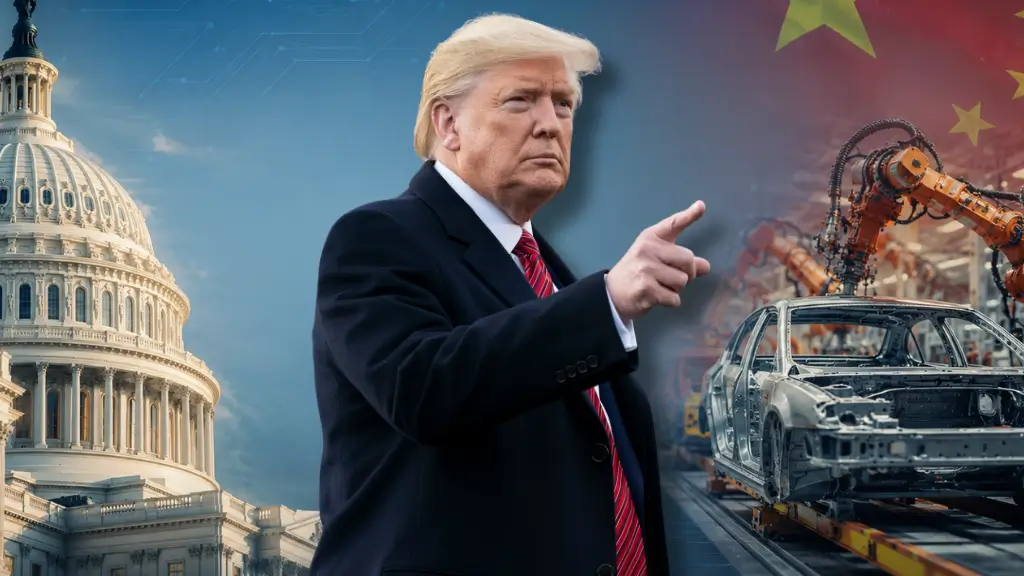
Trump open to Chinese automakers coming to U.S., on one condition

Trump open to Chinese automakers coming to U.S., on one condition

- September 14, 2026
On the Dash: Trump said Chinese automakers could build cars in the U.S. if they hire American workers. A 2025 Commerce rule bars Chinese-owned manufacturers from selling connected vehicles, even...
Stellantis explores Brampton plant sale as defense jobs could revive idle facility

Stellantis explores Brampton plant sale as defense jobs could revive idle facility

- September 14, 2026
On the Dash: Stellantis is exploring a sale of its idle Brampton, Ontario, plant to defense manufacturer Roshel. Roshel says it plans to bring more than 2,000 jobs to the...
The real reason Chinese cars aren’t available in the U.S.

The real reason Chinese cars aren’t available in the U.S.

- September 14, 2026
The debate over whether Chinese automakers should enter the U.S. market is becoming harder for the automotive industry to ignore. Consumers facing record vehicle prices and higher financing costs are...
Ford invests $1 billion to modernize Kentucky Truck Plant

Ford invests $1 billion to modernize Kentucky Truck Plant

- September 11, 2026
On the Dash: Ford is investing $1 billion to modernize the Kentucky Truck Plant, its key production site for Super Duty trucks and large SUVs. The new paint shop supports...
CBT News
Privacy Overview

This website uses cookies so that we can provide you with the best user experience possible. Cookie information is stored in your browser and performs functions such as recognising you when you return to our website and helping our team to understand which sections of the website you find most interesting and useful.