On the Dash:
- Shutdown-related staffing reductions at the EPA and NHTSA slowed regulatory approvals for new models, causing potential hold-ups in deliveries to dealers.
- Delays in guidance for EV tax credits and battery sourcing rules created uncertainty for electric vehicle sales and dealer planning.
- Dealers faced irregular vehicle arrivals and potential stock shortages as manufacturers held finished vehicles pending federal approvals.
The federal government formally reopened Thursday following a 43‑day funding lapse, a resolution that offers relief to the automotive sector as key regulatory and certification processes resume.
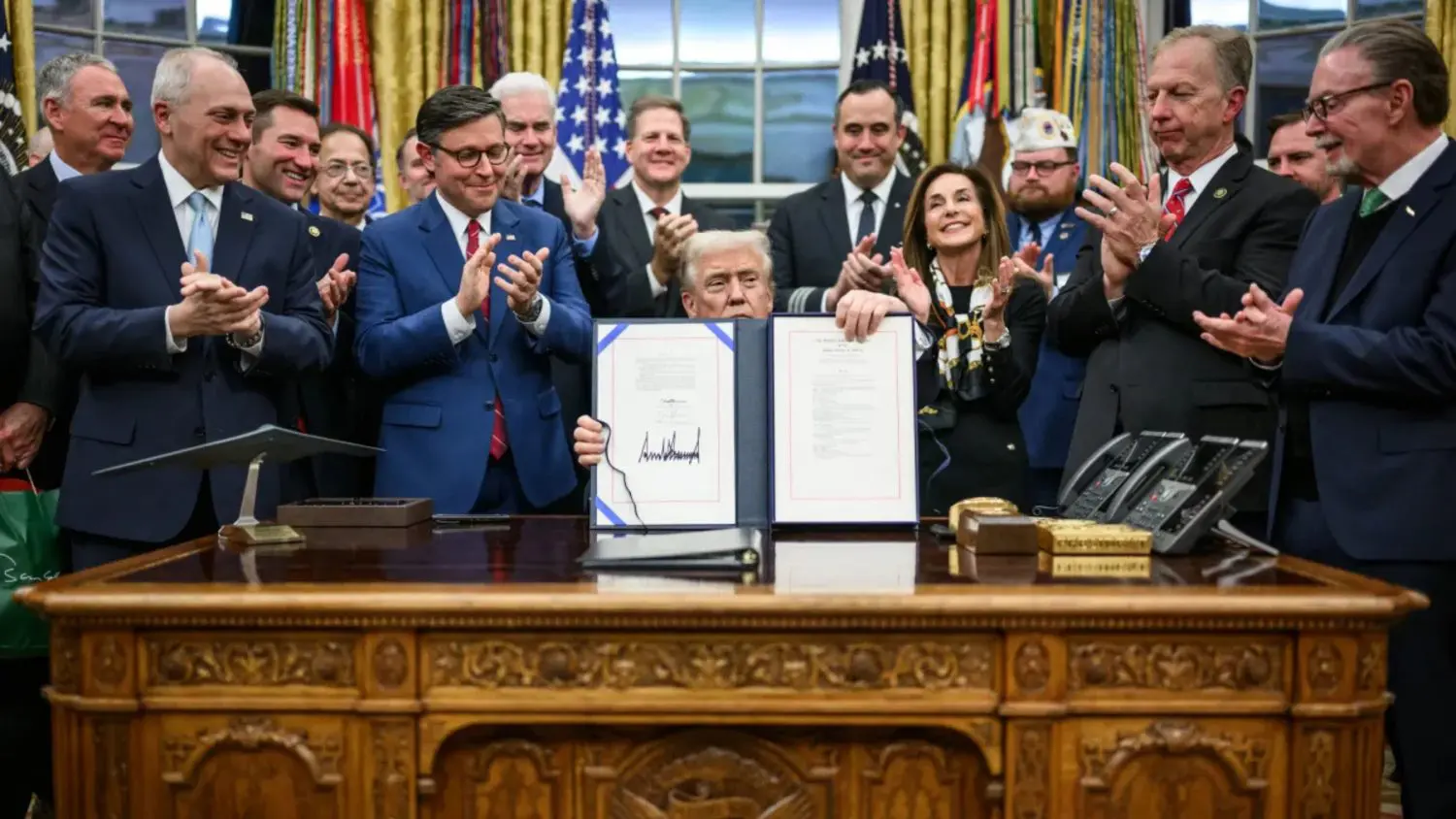
President Donald Trump signed the stopgap spending legislation Wednesday evening, ending the longest U.S. government shutdown on record and enabling federal agencies to restore normal operations and federal workers to return to duty.
For automotive manufacturers, suppliers and dealerships, the reopening means critical pathways that had stalled during the shutdown are now restarting. Agencies such as the Environmental Protection Agency (EPA), responsible for emissions certifications, and the National Highway Traffic Safety Administration (NHTSA), which oversees safety compliance and recalls, had experienced considerable staffing reductions or partial closures. The EPA retained just 1,734 of 15,166 employees under its shutdown contingency plan, raising concerns that model‑year 2026 and 2027 vehicle certifications could be delayed.
Dealerships and OEMs had warned that any delay in certification would force finished vehicles to sit in inventory, tighten supply and potentially raise costs for consumers. Moreover, federal functions affecting the supply chain, including import‑export compliance, safety and trade monitoring, and EV‑tax‑credit guidance, had been paused or slowed.
With the reopening in motion:
- Dealers can anticipate fewer bottlenecks in bringing new‑model inventory to lots, as agency validation processes resume.
- OEMs will be watching to see how quickly backlog clearance occurs within regulatory agencies and whether EV incentive guidance picks up pace.
- Agencies such as the FTC and the Occupational Safety and Health Administration remain operational during the shutdown, despite reduced oversight.
Industry observers caution that while reopening restores operations, full normalcy may take days or weeks. The backlog of delayed reviews, paused certifications and furloughed workforces must be cleared. Notably, past shutdowns have shown that even short lapses trigger ripple effects in production, logistics and dealer supply.
For dealers, the key takeaway here is to monitor your incoming inventory closely, coordinate with OEMs on launch timing for new model years, and maintain standard compliance and disclosure practices rather than assume regulatory leniency. The reopening may remove the immediate hurdle, but the after‑effects will unfold over time.