TSLA445.27011.82%
GM75.810-0.63%
F13.5851.595%
RIVN14.2700.32%
CYD51.0202.5%
HMC24.3700.26%
TM186.8905.22%
CVNA69.900-3.82%
PAG166.580-2.45%
LAD273.220-2.08%
AN191.110-4.25%
GPI327.780-8.36%
ABG192.850-0.83%
SAH76.120-2.46%
TSLA445.27011.82%
GM75.810-0.63%
F13.5851.595%
RIVN14.2700.32%
CYD51.0202.5%
HMC24.3700.26%
TM186.8905.22%
CVNA69.900-3.82%
PAG166.580-2.45%
LAD273.220-2.08%
AN191.110-4.25%
GPI327.780-8.36%
ABG192.850-0.83%
SAH76.120-2.46%
TSLA445.27011.82%
GM75.810-0.63%
F13.5851.595%
RIVN14.2700.32%
CYD51.0202.5%
HMC24.3700.26%
TM186.8905.22%
CVNA69.900-3.82%
PAG166.580-2.45%
LAD273.220-2.08%
AN191.110-4.25%
GPI327.780-8.36%
ABG192.850-0.83%
SAH76.120-2.46%

BEV sales fall sharply in October after federal tax credits expire, NADA says

Industry analysts expect the slower sales pace to continue through the fourth quarter of 2025.
BEV sales fall 46% in October

On the Dash:

  • BEV sales dropped 46.7% month-over-month in October after federal EV tax credits expired.
  • Incentives rose to $13,161 per unit, partially offsetting the decline, but uncertainty remains.
  • Full-year 2025 sales are expected to be flat or slightly higher than 2024, despite a slower Q4.

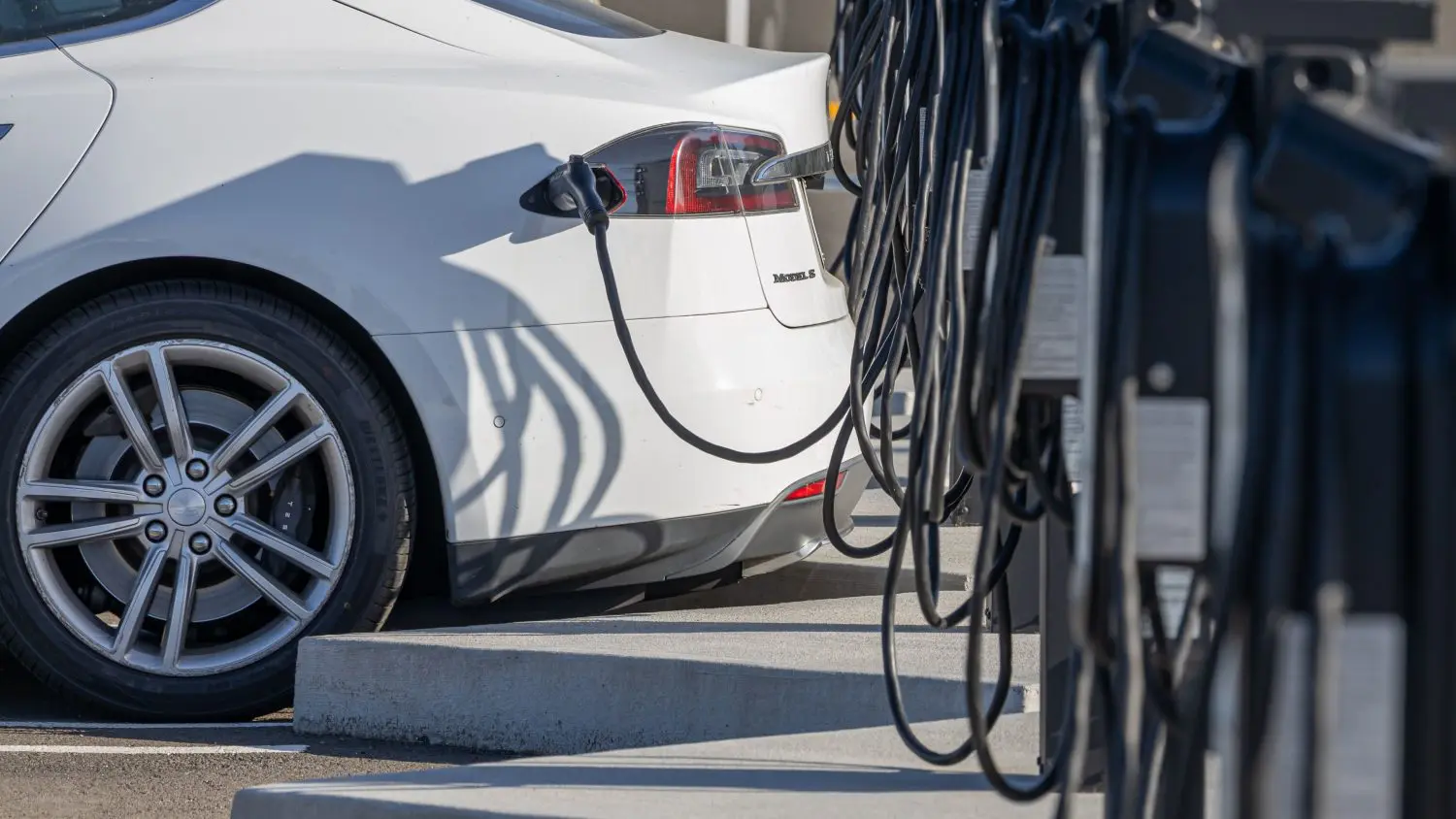
New light-vehicle sales in October 2025 recorded the lowest seasonally adjusted annual rate (SAAR) in 15 months, according to the National Automobile Dealers Association. The October SAAR of 15.3 million units represents a 4.8% decline year-over-year and a 5.9% drop from September 2025. The decrease was primarily driven by a sharp decline in battery-electric vehicle (BEV) sales following the expiration of federal EV tax credits on September 30.

BEVs accounted for just 5.9% of total new-vehicle sales in October, falling from a record 11.3% in September. Approximately 75,000 BEVs were sold, a 46.7% decrease from September and down 23.8% year-over-year. Automakers had pulled forward many EV purchases ahead of the credit’s expiration, which contributed to the steep drop in October.

Sign up for CBT News’ daily newsletter and get the latest industry stories delivered straight to your inbox.

To offset the loss of the federal incentive, several OEMs increased their own discounts. Average incentive spending on BEVs rose $2,047 from September to $13,161 per unit, according to J.D. Power. While these incentives softened the decline, it remains uncertain how quickly BEV sales will return to previous levels without federal support.

Industry analysts expect the slower sales pace to continue through the fourth quarter of 2025 compared with the third quarter. However, earlier “pull-ahead” sales this year suggest full-year totals will remain largely stable. Overall, 2025 new-vehicle sales are expected to finish flat or slightly higher than 2024.

The October results highlight the strong influence of federal incentives on EV adoption. BEV sales surged when credits were available, but the market remains sensitive to policy changes. Automakers may continue to rely on manufacturer incentives to sustain EV demand, and dealers may need to adjust strategies to navigate shifts in consumer behavior.
Read More
More from Articles
The simple 'paperwork' mistake that could cost dealers $10,000

The simple ‘paperwork’ mistake that could cost dealers $10,000

- May 13, 2026
On the Dash: CDK Global says a paperwork problem cost a dealer $10,000 during a manufacturer audit. NADA calls federal record-keeping requirements among the most burdensome rules dealers face today. ...
GM-LG battery venture recalls small group of Ohio workers as EV demand slows

GM-LG battery venture recalls small group of Ohio workers as EV demand slows

- May 13, 2026
On the Dash: EV production volatility is directly affecting supply chain employment and factory output decisions. Incentive-driven demand shifts are forcing automakers to adjust production more quickly than long-term EV...
Nissan projects return to profit after seventh straight quarterly loss

Nissan projects return to profit after seventh straight quarterly loss

- May 13, 2026
On the Dash: Nissan’s projected return to profit could improve dealer confidence after multiple quarters of financial instability. Ongoing model cuts and production restructuring may impact future inventory mix and...
New-vehicle prices rose in April, but the gains fell short of the historical average, with wide variation across brands and segments, according to Kelley Blue Book.

New-vehicle prices rise in April, but the pace is cooling

- May 13, 2026
On the Dash: New-vehicle ATP rose 1.8% year over year in April, below the 3.6% long-term average. Ford and GM posted strong gains while several luxury brands saw transaction prices...
CBT News
Privacy Overview

This website uses cookies so that we can provide you with the best user experience possible. Cookie information is stored in your browser and performs functions such as recognising you when you return to our website and helping our team to understand which sections of the website you find most interesting and useful.