TSLA342.2702.31%
GM86.7700.38%
F14.3650.475%
RIVN15.360-0.46%
CYD45.240-0.32%
HMC31.5800.38%
TM191.1102.4%
CVNA75.6201.92%
PAG219.8501.18%
LAD377.550-1.10999%
AN209.4101%
GPI263.9500.94001%
ABG210.6600.08%
SAH80.8301.59%
TSLA342.2702.31%
GM86.7700.38%
F14.3650.475%
RIVN15.360-0.46%
CYD45.240-0.32%
HMC31.5800.38%
TM191.1102.4%
CVNA75.6201.92%
PAG219.8501.18%
LAD377.550-1.10999%
AN209.4101%
GPI263.9500.94001%
ABG210.6600.08%
SAH80.8301.59%
TSLA342.2702.31%
GM86.7700.38%
F14.3650.475%
RIVN15.360-0.46%
CYD45.240-0.32%
HMC31.5800.38%
TM191.1102.4%
CVNA75.6201.92%
PAG219.8501.18%
LAD377.550-1.10999%
AN209.4101%
GPI263.9500.94001%
ABG210.6600.08%
SAH80.8301.59%

Federal Reserve slightly raises interest rates, but warns of further increases

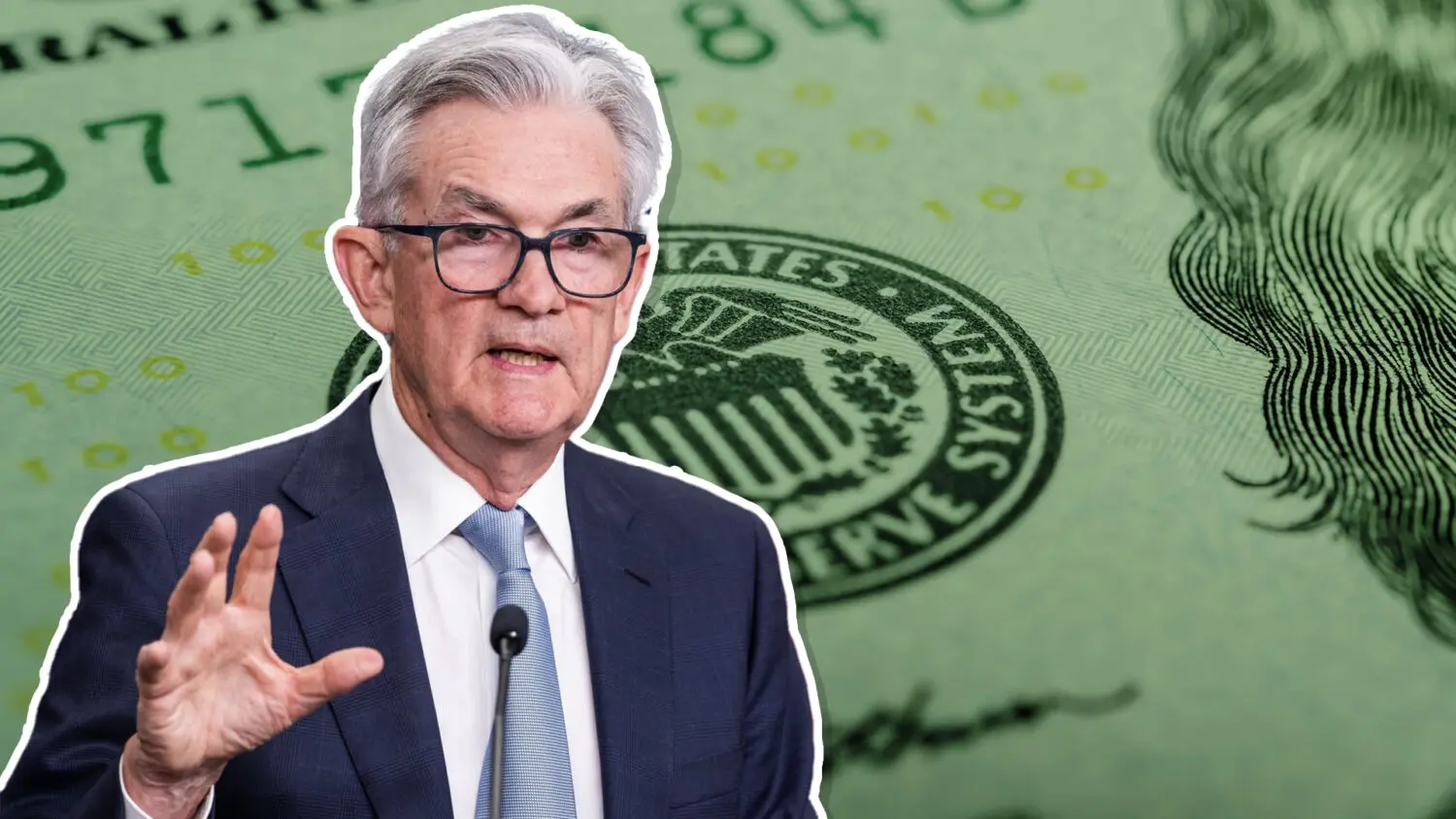
The Federal Reserve has raised interest rates by a quarter of a percent, signaling more challenges are in store for the auto industry.
interest rates

The Federal Reserve has again raised interest rates, but this time only by a quarter of a percent to a target range of 4.5% to 4.75%.

The announcement marks the eighth interest rate hike since the start of last year, the last adjustment arriving last December. Unfortunately, the Fed seems likely to issue even more in the near future. So what does this mean for the car market?

Rising interest rates and coalescing indicators of a recession mean that the auto industry is far from out of the weeds. Since the COVID pandemic began, the biggest concern for dealers and automakers alike has been production. Now, since supply chain stabilizations have helped to overcome this problem, their main worry is affordability.

Monthly auto loan payments and new car prices have skyrocketed since the introduction of interest rate hikes, to all time highs of $777 and $49,507 respectively in December of 2022. Consumers are increasingly more strapped for cash, and their interest in buying a car will only lessen as rumors of a recession grow. Bringing clients back to the dealership will require automakers and storeowners to challenge the affordability issue together.

However, assuming new car prices and payments remain elevated, certain dealers could still profit in the coming months in spite of the interest rates. Used car values have consistently dropped since the start of 2022. Although buyers abandoned the market last year once the vehicle shortage began to wind down, this could soon change. Consumers who have been waiting on a vehicle purchase since 2020 but still cannot afford a new model are likely to turn to the preowned market, as they did in 2021.

The new interest rate hike and the possibility of more down the road are certainly not good news for the auto industry’s short term future. However, there are strategies which storeowners can employ to safely navigate the coming months. By addressing new vehicle affordability and taking advantage of used car sales, dealers can both lead their businesses through the challenges presented by increased rates and prepare them for a normalization, whenever that comes.


Did you enjoy this article? Please share your thoughts, comments, or questions regarding this topic by connecting with us at newsroom@cbtnews.com.

Be sure to follow us on Facebook, LinkedIn, and TikTok to stay up to date.

While you’re here, don’t forget to subscribe to our email newsletter for all the latest auto industry news from CBT News.

More from Articles
Charlie Obaugh acquires Campus Ford in Virginia

Charlie Obaugh acquires Campus Ford in Virginia

- August 14, 2026
Charlie Obaugh Auto Group has acquired Campus Ford in Waynesboro, Virginia, from Matt McMurray. The transaction was announced in August 2026, with Performance Brokerage Services serving as the exclusive buy-side...
Revised USMCA proposals could cost billions annually, Detroit automakers warn

Revised USMCA proposals could cost billions annually, Detroit automakers warn

- August 14, 2026
On the Dash: USMCA revisions raising U.S. content thresholds to 50% could add at least $2 billion in annual costs per company. GM projects $2.5 billion to $3.5 billion in...
New-vehicle inventory tightens to 75 days' supply as July sales climb 8.5%

New-vehicle inventory tightens to 75 days’ supply as July sales climb 8.5%

- August 14, 2026
On the Dash: New-vehicle inventory drops to 75 days' supply as July sales climb 8.5%. Toyota, Lexus and Honda keep the tightest inventories while Stellantis works through excess stock. ...
Cox Automotive report finds dealers use AI widely, results still lag expectations

Cox Automotive report finds dealers use AI widely, results still lag expectations

- August 14, 2026
On the Dash: Focus AI investments on measurable dealership needs, not adoption for its own sake. Prepare teams for shoppers who are using AI before they reach the showroom. Build...
CBT News
Privacy Overview

This website uses cookies so that we can provide you with the best user experience possible. Cookie information is stored in your browser and performs functions such as recognising you when you return to our website and helping our team to understand which sections of the website you find most interesting and useful.