On the Dash:
- Leadership uncertainty at the UAW could influence future labor negotiations with Detroit automakers.
- Any changes in union leadership may affect bargaining strategies ahead of the next contract cycle.
- Dealers should monitor the election, as labor relations remain a key factor in the stability of vehicle production.
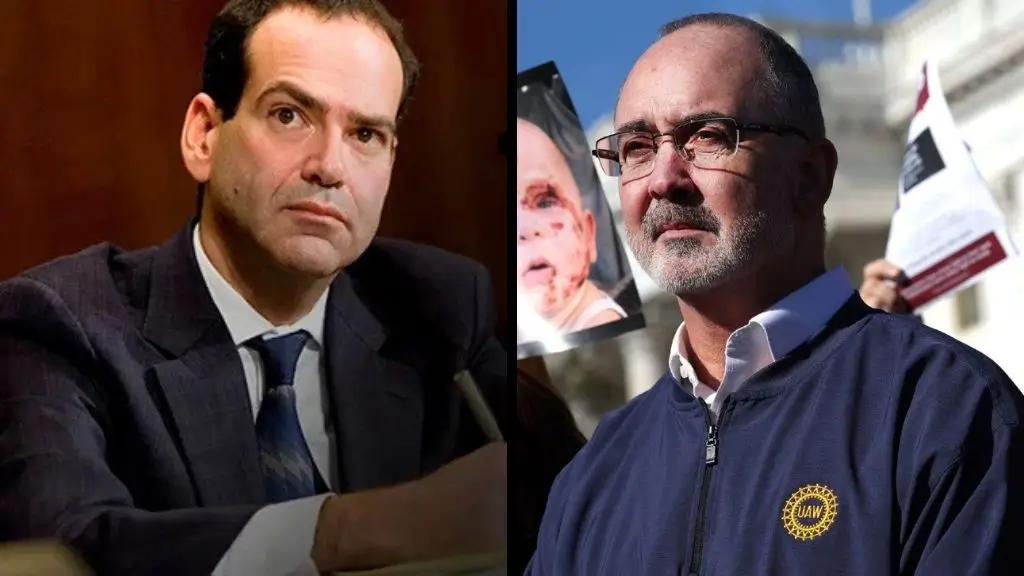
A U.S. Department of Justice (DOJ) investigation into United Auto Workers (UAW) President Shawn Fain has become a central issue in the union’s presidential election.
According to findings by court-appointed union monitor Neil Barofsky, Fain abused the authority of his office to secure a bonus for his fiancée, Keesha McConaghie, a UAW-Stellantis National Training Center employee, and to intervene in a workers’ compensation claim filed by her sister. The monitor’s report also alleges Fain retaliated against UAW Vice President Rich Boyer, stripping him of his role as chief Stellantis negotiator after Boyer refused to approve the benefits.
A six-way race heads to the ballot
The union will mail ballots to its roughly 400,000 active members and 600,000 retirees in late August, according to the UAW Monitor’s election calendar. Six candidates are challenging Fain for the presidency, and several have cited the federal probe as evidence that the union needs new leadership. Critics argue the investigation raises fresh concerns following multiple corruption investigations involving former UAW presidents. Candidates say this issue will feature prominently during the upcoming leadership debates.
While Fain has denied any wrongdoing, labeling the allegations as politically motivated, he accuses Boyer of feeding the monitor false claims to influence the election rather than campaigning on his own record. Conversely, supporters of Fain highlight the union’s recent contract victories, organizing efforts, and wage gains achieved during his leadership.
Labor experts suggest that, while the investigation might influence the election, its full impact remains uncertain. The outcome could significantly shape the union’s future negotiations with companies such as Ford, General Motors, and Stellantis. Union members remain divided, grappling with governance concerns while also supporting Fain’s bargaining achievements.