
The used car you’re eyeing might soon come with a hidden catch that could turn a smart buy into a money pit. Vehicle manufacturers are locking down the data streaming from modern cars. If they get their way, independent repair shops, do-it-yourself mechanics, and your wallet will pay the price. This isn’t conspiracy—it’s control. The stakes are massive: 273,000 repair shops, 900,000 technicians, and 293 million vehicles on U.S. roads hang in the balance.
Stay with me through this deep dive. By the end, you’ll understand exactly why the National Right to Repair movement is fighting back with the REPAIR Act—and why you should care enough to contact your legislator today. Let’s break it down with some hard facts, real-world impacts, and a clear path forward.
The shift from open ports to locked-down telematics
For decades, repairing a car was straightforward. Plug into the OBD-2 port (which was standardized in 1996) to read diagnostic codes, identify issues, and fix them. Owners and technicians had direct access to the data needed for maintenance and repairs. This system fueled a competitive aftermarket, kept costs down, and gave consumers real choices.
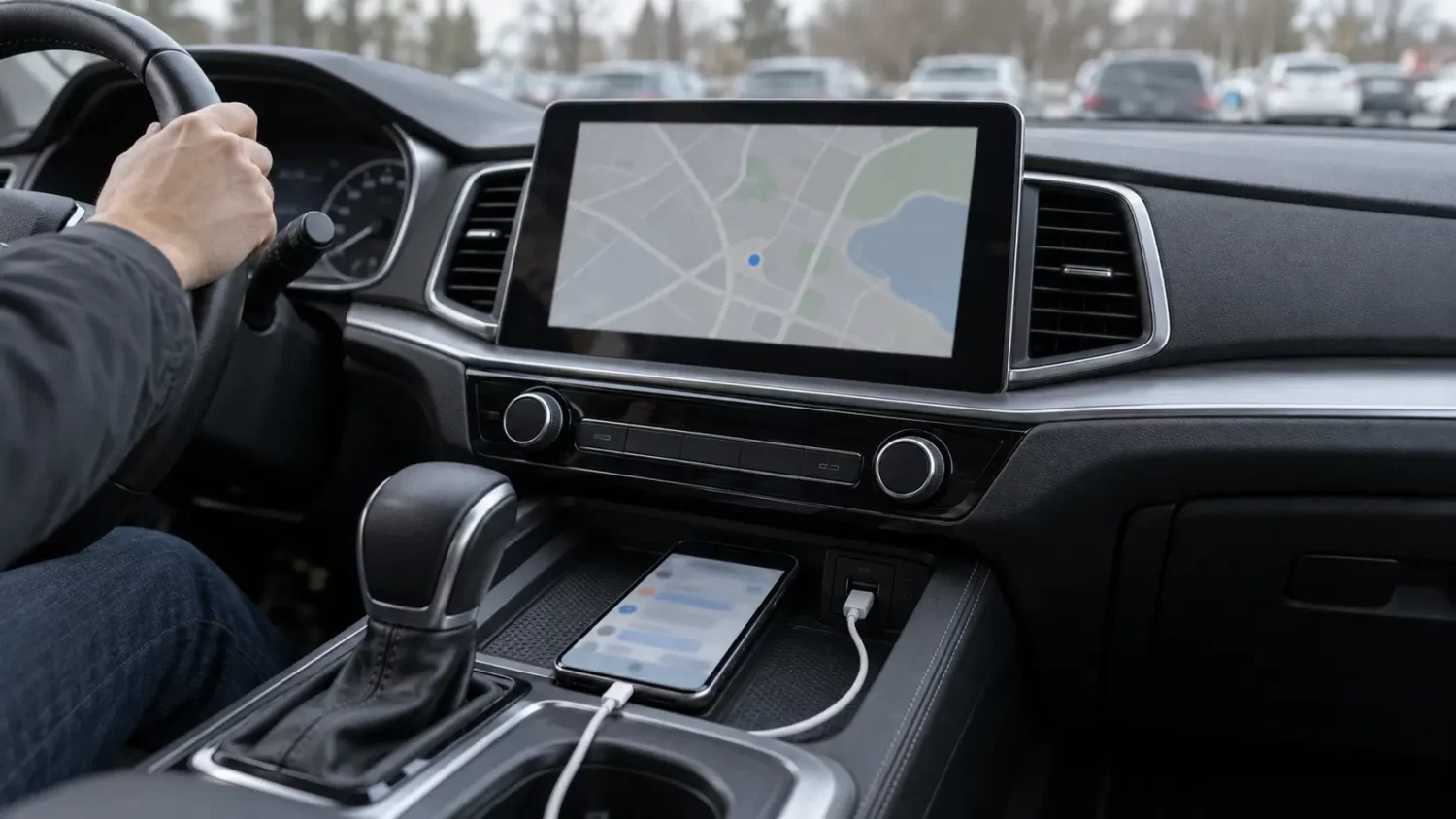
Today’s vehicles are rolling computers on wheels, some with 100’s of processors and multiple computers. Data no longer comes solely from a port; it streams wirelessly through telematics systems. In 2021, 50 percent of cars already had this connectivity. By 2030, McKinsey projects that 95 percent of new vehicles sold globally will include it.
That wireless data flows straight to the manufacturer, which becomes the sole gatekeeper, deciding who gets access, when, and at what price. Independent shops are left scrambling for scraps or paying steep fees for limited tools and information. This forces car owners to get their vehicles repaired solely at a car dealer. Telematics enables remote diagnostics and even over-the-air repairs without a shop visit. The benefits for owners, faster fixes, and predictive maintenance are real. But when manufacturers hoard the data, those advantages flow mainly to their dealerships, not to you.
The consumer hit: Higher costs, fewer choices, and privacy risks
Manufacturers’ control over data creates clear, measurable downsides for drivers. Costs rise because independent repairs grow more expensive or impossible without direct access. Shops pass on fees for manufacturer-approved tools and subscriptions, turning what could be a simple diagnostic into a dealer-only service. This makes the choices shrink when your trusted local mechanic can’t access telematics data, funneling you to the dealership and threatening the 273,000 independent shops that employ 900,000 technicians and service most of America’s 293 million vehicles.
Privacy erodes with every drive. Data on your habits, location, and performance streams to manufacturers, who can sell it to insurers, advertisers, or others, often without clear consent. You’re unknowingly generating revenue for Big Auto just by turning the key. This may be part of the reason that car makers want this information all to themselves.
In some states lacking strong right-to-repair laws, shops already report being blocked from repairing newer models, forcing owners into costlier dealer service.
The aftermarket fallout: Stifled innovation and competition
The independent repair shops sector drives an economic engine. Without data access, aftermarket parts makers can’t develop compatible components, slowing innovation in affordable alternatives. Dealers gain repair monopolies, pushing prices higher across the board, and you wait longer for a repair. Collaboration stalls because standardized access would enable shops, suppliers, and tech firms to work together; gatekeeping prevents it.
Voters have made their voices clear. In November 2020, Massachusetts passed Ballot Question 1 with 75 percent approval, expanding right-to-repair to telematics. Maine followed in 2023 with 84 percent support. These state victories matter, but federal action is essential to protect everyone.
Enter the REPAIR Act: A bipartisan fix for a modern problem
The Auto Care Association, MEMA Aftermarket Suppliers, and CAR Coalition have joined forces to advance the REPAIR Act (Right to Equitable and Professional Auto Industry Repair) – H.R. 906 in the House. This isn’t radical; it’s a practical update to match advancing technology and help consumers financially and to have choices on where they get their car repaired.
The bill rests on four core principles. Manufacturers cannot create barriers to repair and maintenance. Owners and their chosen repairers gain direct access to vehicle-generated data. The legislation prohibits mandating specific brands, tools, or equipment, keeping aftermarket options viable. A stakeholder advisory committee would monitor emerging issues and recommend updates.
The Act preserves choice: owners can handle repairs themselves, a lifeline for low-income families, or select independent shops. It bans anticompetitive practices like withholding service information or requiring dealer-only parts. All diagnostic tools, software, and data must be available at fair, non-discriminatory prices. For wireless systems, standardized platforms would ensure secure, direct sharing with owner permission.
Manufacturers would develop interoperable platforms meeting industry standards. NHTSA and FTC would oversee cybersecurity rules. Owners would receive clear notifications about data sharing and retain control over where it goes. Consumers and independent repairers could file complaints with the FTC, which would investigate and issue fixes within months if warranted.
A diverse advisory committee, including consumers, independents, manufacturers, and insurers, would identify new threats. The FTC would submit biennial reports to Congress and review consumer protections every three years. The framework leverages existing global Intelligent Transportation Systems (ITS) standards that prioritize security, privacy, and choice without sacrificing safety.
Why this threatens the used car market—and your future rides
Without the REPAIR Act, used cars will lose value quickly. Buyers would avoid models tied to dealer-only repairs, unpredictable costs, or opaque data privacy. Planned obsolescence would accelerate as manufacturers prioritize control over longevity.
By 2030, nearly every new car will be connected. Older OBD-2 vehicles will slowly fade. The multibillion-dollar used market will contract as independent shops close and repairs centralize. A 2025 purchase could become unrepairable outside dealerships by 2030 without federal safeguards.
Manufacturers claim control ensures cybersecurity and quality – a valid concern. Yet standardized access delivers the same protections without monopolies.
The aftermarket is proposing a proven framework. Owners would register and link their vehicles to a secure platform. Authentication would verify identity and permissions. Data would then flow encrypted and standardized directly to chosen repair shops. This creates a level playing field. The Auto Care Association says it’s practical and ready now.
What’s at stake if we do nothing
Current laws can’t keep pace with technology. Without the REPAIR Act, manufacturers would dominate the aftermarket. State-level data show repair costs could rise 20 to 50 percent. Shops would close. Innovation would halt. Privacy would disappear. Passage of the REPAIR Act reverses this before it starts: affordable repairs, strong competition, and data you truly control.
Don’t stop here – act. This affects every driver. Contact your legislator and urge support for the REPAIR Act.
The REPAIR Act ensures fairness in a digital auto world. Manufacturers build vehicles; the aftermarket keeps them running. Pass it to protect choice, savings, and independence. The used car market and your right to repair depend on the passing of the REPAIR Act.
Check out my full commentary on this story: http://youtu.be/wVRdkz19cIo
Looking for more automotive news? https://www.CarCoachReports.com
Listen to The Drive Car Show – https://www.youtube.com/@thedrivecarshow