America is apparently running out of motor oil now. At least that’s the latest panic campaign making the rounds online and getting amplified by mainstream media headlines designed to make consumers nervous enough to start stockpiling products they probably don’t even need.
Sound familiar?
It should. We already lived through the toilet paper hysteria where Americans were told shortages were everywhere, shelves were stripped bare by panic-buying, and retailers quietly raised prices while everyone blamed “supply chains.” Now the same playbook is being used again, this time with synthetic motor oil.
But here’s the part the headlines are intentionally leaving out: there is no nationwide motor oil collapse happening. Your car is not about to become undrivable because America suddenly “ran out” of lubricants. Most drivers will probably notice little more than higher prices and fewer discount sales.
That’s the real story.
Yes, there is a legitimate supply issue involving some specialty synthetic base oils used in certain ultra-low-viscosity lubricants. But the media narrative is turning a narrow industrial issue into another broad consumer panic, and once again, fear is becoming profitable.
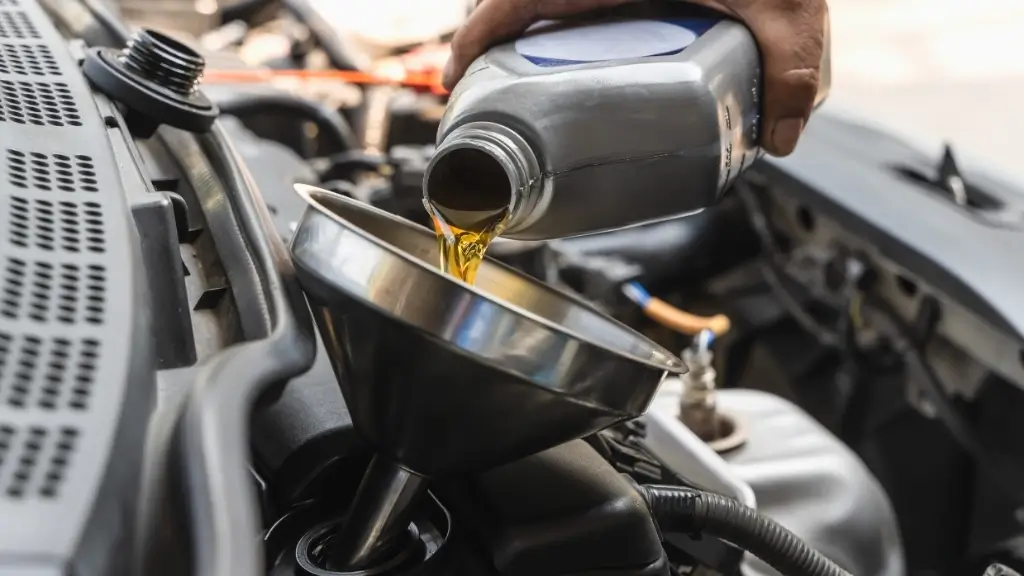
The actual problem involves high-end Group III base oils used in specific synthetic formulations like 0W-8, 0W-16, and certain OEM-specific blends required in some newer vehicles. These are thinner oils designed primarily to help automakers meet fuel economy and emissions targets.
That’s a very different story from “America is running out of oil.”
Most conventional motor oils are still widely available. Most drivers using common viscosities like 5W-30 or 10W-30 are not likely to face major supply issues. You can still walk into most parts stores, retailers, and service centers and find plenty of oil on the shelf.
But that nuance doesn’t generate clicks.
Instead, social media influencers and breathless news coverage are lumping everything together under the terrifying word “shortage,” because panic spreads faster than facts. Suddenly consumers start hearing rumors that oil changes may become impossible, stores will run dry, and everyone needs to buy cases of oil immediately before it disappears forever.
That panic buying itself becomes the problem.
The toilet paper fiasco proved how quickly consumer psychology can create artificial shortages. There was never a true nationwide inability to manufacture toilet paper. The system broke because consumers started hoarding far more than they normally purchased, overwhelming distribution and retail inventory systems that were never designed for panic-level buying behavior.
Now we’re watching the same pattern develop in automotive service.
Some repair shops and distributors are already stockpiling certain synthetic products because they expect higher prices and tighter inventories. Consumers are hearing “shortage” and buying extra oil they otherwise would not have purchased. Retailers are responding by raising prices early, sometimes well ahead of any actual supply impact.
And that raises an uncomfortable question nobody wants to ask out loud: how much of this is genuine supply pressure, and how much is opportunistic pricing?
Because there absolutely is a real supply issue affecting some premium synthetic base stocks imported from overseas. Shipping disruptions, refinery problems, and instability in parts of the Middle East and Asia have tightened supply for certain specialized lubricants.
That part is real.
The American Petroleum Institute even activated emergency provisional licensing flexibility for some lubricant formulations because certain approved ingredients became harder to source. That’s not something done casually.
But that still does not mean average drivers are about to face empty shelves nationwide.
The reality is much narrower than the headlines suggest. The biggest exposure is concentrated in newer vehicles requiring highly specialized ultra-thin synthetic oils. That includes some newer Toyota, Honda, Hyundai, Ford, and GM engines designed around low-viscosity lubricants.
Those owners could face higher prices, fewer choices, or occasional temporary shortages of specific formulations.
That’s inconvenient. It’s expensive. But it’s not an automotive apocalypse.
And honestly, this situation exposes a bigger issue the auto industry created itself.
Modern engines have become increasingly dependent on hyper-specific lubricants largely because automakers were chasing federal fuel economy targets. Thinner oils reduce internal drag slightly, helping manufacturers squeeze out small efficiency gains that look good on government testing charts.
But that engineering strategy also created greater dependence on specialized synthetic supply chains.
Older vehicles were often far more forgiving. Many could run multiple oil viscosities without major drama. Today’s engines are increasingly calibrated around exact formulations, exact additives, and exact viscosity requirements. That means even a relatively small disruption in specialized synthetic oil supply suddenly becomes a much bigger issue for dealerships and owners of newer vehicles.
This isn’t affecting every driver equally.
If you own an older truck running conventional 5W-30, you’re probably in much better shape than someone driving a brand-new vehicle requiring a very specific OEM-approved 0W-8 synthetic blend.
That distinction matters, but it gets lost once mainstream media starts chasing fear-driven headlines.
And let’s be honest, fear sells.
“Potential pricing pressure for specialty synthetic lubricants” doesn’t drive clicks. “Motor oil shortage panic” does.
That’s why every normal supply disruption now gets framed like the collapse of civilization. Americans are constantly being told to panic-buy products before they vanish forever. During COVID it was toilet paper. Then it was fuel. Then generators. Then eggs. Now it’s motor oil.
Meanwhile, companies quietly benefit from consumers rushing out to buy products early at inflated prices.
That doesn’t mean the entire issue is fake. It means the reaction is becoming larger than the underlying problem itself.
The smart response here is not panic. It’s perspective.
If your vehicle requires a highly specialized synthetic oil, keeping enough for your next oil change is reasonable. That’s preparation. Buying a lifetime supply because somebody on TikTok said “the shelves are going empty” is exactly the kind of irrational behavior that creates unnecessary shortages in the first place.
For most Americans, this story will likely show up as higher maintenance costs, reduced sales promotions, and occasional difficulty finding certain premium synthetic blends. That’s annoying, especially when vehicle ownership costs are already skyrocketing from inflation, insurance increases, expensive repairs, and high interest rates.
But for the vast majority of drivers, your local store is not about to become a post-apocalyptic wasteland with empty oil shelves and chaos in the parking lot.
The bigger concern should actually be how quickly Americans are manipulated into panic consumption cycles every time there’s even a modest supply disruption.
That cycle has become predictable.
A real but limited issue emerges. Social media magnifies it. Mainstream media escalates it further. Consumers panic-buy. Retailers raise prices. Temporary shortages appear because of the panic itself. Then everyone pretends the original hysteria was justified all along.
We’ve seen this movie before.
And unless consumers stop reacting emotionally every time a scary headline appears, we’ll probably see it again with the next product too.
Check out my full commentary on this story: https://youtu.be/CGzvNq-j50k
Looking for more automotive news? https://www.CarCoachReports.