
On the Dash:
- July car-buying ease held at 81%, well below last year’s 86% mark, according to CDK Global.
- Price negotiations and trade-in values dropped, driving most of the friction.
- Rising loan payments and negative equity are straining affordability industry-wide.
The car-buying process isn’t getting easier. Only 81% of buyers described the process as easy in July, according to CDK Global’s monthly Ease of Purchase Scorecard. That’s nearly flat from 80% last month and well below July 2025’s 86% and the full-year 2025 average of 84%.
Additionally, inventory played a role in the slow month, with 58% of buyers finding the vehicle they wanted in stock, but only 73% said the search itself was easy. That’s down from 75% in June and 80% in May.
Car-buying pain points
In July, buyers highlighted pricing and negotiating flexibility as the main friction points. The percentage of buyers negotiating the final price decreased to 59%, a drop of 4 percentage points compared to May. Similarly, the percentage of buyers agreeing on a trade-in value declined to 50%, down by 1 point.
Trade-in negotiations may also be tougher due to a rise in negative equity for many buyers. A separate CDK Global report found that roughly a third of buyers trading in an upside-down vehicle said they were trading up to a different car, while others cited unaffordable maintenance costs or a desire to lower monthly payments. That dynamic can complicate the trade-in conversation dealers have with customers who owe more than their vehicle is worth.
Affordability issues add to pressure
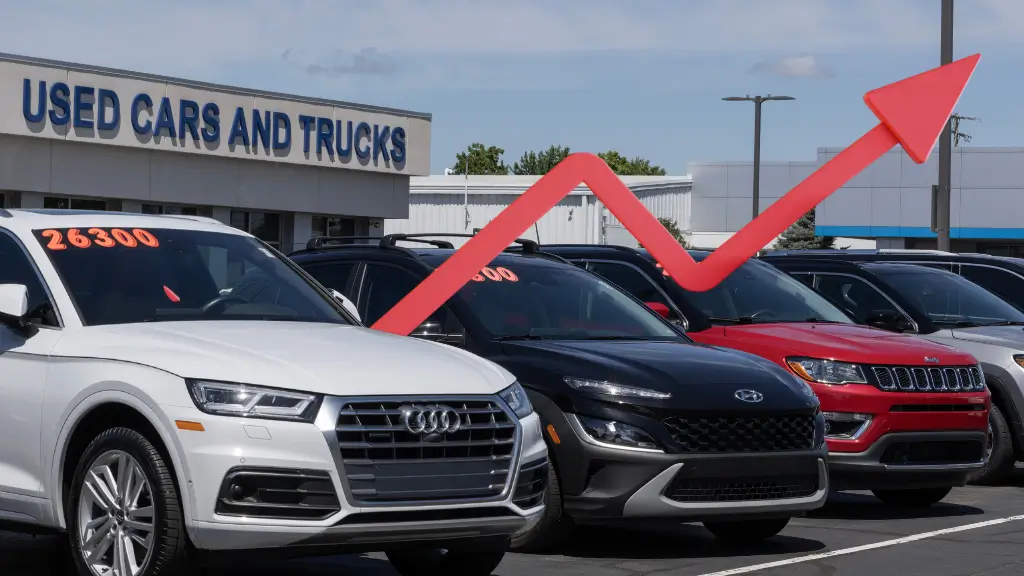
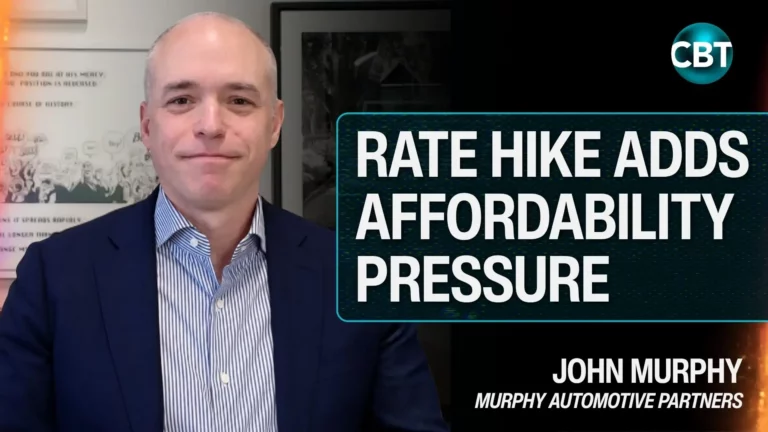
The pricing friction lines up with broader affordability issues, as new-vehicle affordability slipped further in June, with the median number of weeks of income needed to buy the average new vehicle rising to 35.3, and the typical monthly payment climbing to $763. Nearly one in five new-vehicle loans now carries a monthly payment of $1,000 or more, according to Experian data reported in May, with buyers increasingly stretching loan terms past six years to manage the cost.
“I think they could have got a better price. Reducing the monthly payment to something I could afford, instead they kept adding things to the price until it went over budget. It was difficult to get the payment down to something that fit the budget,” one buyer said in the survey.
Another buyer said, “I wish they just would have worked with me as far as the cost of the vehicle and maybe brought it down a little more than they had.”
Satisfaction improves
According to the survey, time spent on the deal was one bright spot. CDK found that 55% of buyers said the process took about as long as expected, a record high and well above the 49% 2025 average.
One survey respondent said, “The process was easy but took basically all day test driving [and] negotiating the terms of the vehicle then by the time they got the car cleaned up and ready to go. It was a six hour day. The dealership was very nice and the person that sold us the vehicle was very helpful so that made the experience easier.”
Overall, the numbers point to pricing conversations as the bigger sticking point rather than time on the lot or inventory access. Buyers are pushing back on final price and trade-in value, as payment stress from record loan amounts adds to that friction. However, dealers who can show flexibility on structure, whether through longer terms, trade-in transparency or clearer payment breakdowns, may have an easier time closing deals than those relying on price alone.