

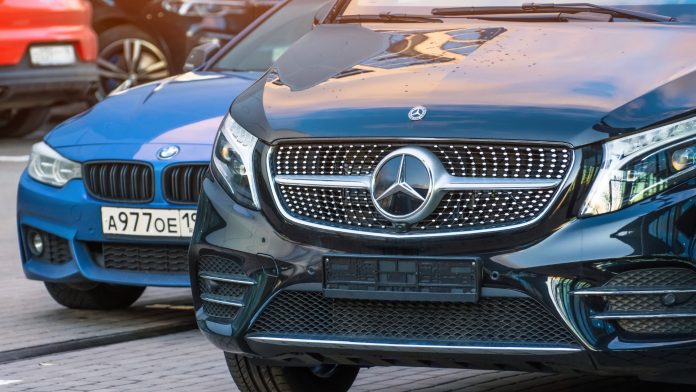
European automakers, including BMW AG and Mercedes-Benz Group, are set to gain an estimated €4 billion ($4.7 billion) from a new trade deal between the U.S. and European Union that lowers auto tariffs from 27.5% to 15%. The agreement brings limited relief after months of rising costs and uncertainty triggered by President Trump’s tariff hikes. BMW and Mercedes will also benefit from exemptions on about 185,000 vehicles exported annually from their U.S. plants to Europe.
However, the new 15% rate remains significantly higher than the pre-tariff 2.5% duty, prompting automakers to consider price hikes and further expansion of U.S. production. Meanwhile, Volkswagen, Stellantis, and Volvo have already revised earnings or taken losses due to tariff pressure, underscoring the deal’s limitations despite the short-term relief.
Here’s why it matters:
For U.S. dealers selling European brands, the reduced tariff rate offers short-term cost stability and may prevent steeper price hikes. However, 15% duties still pose a threat to vehicle affordability, especially for models imported from Europe that are not produced in the U.S. Automakers like VW and Mercedes may shift more output to U.S. plants, potentially improving local supply in the long term. Still, volatility in trade policy, production shifts, and margin pressure could affect inventory flow, pricing, and promotional support at the dealership level.
Key takeaways:
- $4.7 billion lift from tariff deal
BMW, Mercedes, and others stand to gain €4 billion from the U.S.-EU trade pact, primarily due to reduced tariffs and vehicle exemptions. - Tariffs cut to 15%, still above pre-Trump rate
The deal lowers car import tariffs from 27.5% to 15%, but this remains significantly higher than the pre-2018 level of 2.5%, which continues to put pressure on pricing. - Exemptions benefit U.S.-built exports
About 185,000 vehicles exported from U.S. factories back to the EU will be exempt from the new tariff, boosting OEMs with local operations. - Brands revise forecasts amid tariff losses
Volkswagen cut its full-year outlook; Stellantis posted a first-half net loss; and Volvo took an impairment related to U.S. trade barriers. - OEMs shift production strategy
Mercedes is moving GLC production to Alabama; Audi is considering U.S. manufacturing; and VW is investing further to reduce tariff exposure.