When gasoline surged past five dollars a gallon in 2022, the impact landed on every household, every small business, and every industry that depends on transportation — which is to say, nearly all of them. Families were reshuffling budgets, truckers were adding unavoidable surcharges, and businesses were raising prices simply to stay afloat. At the same time, Americans were told that there was little anyone in Washington could do to ease the burden. The message stayed the same for months: global forces were responsible, and there was no quick fix for the pain drivers were feeling at the pump.
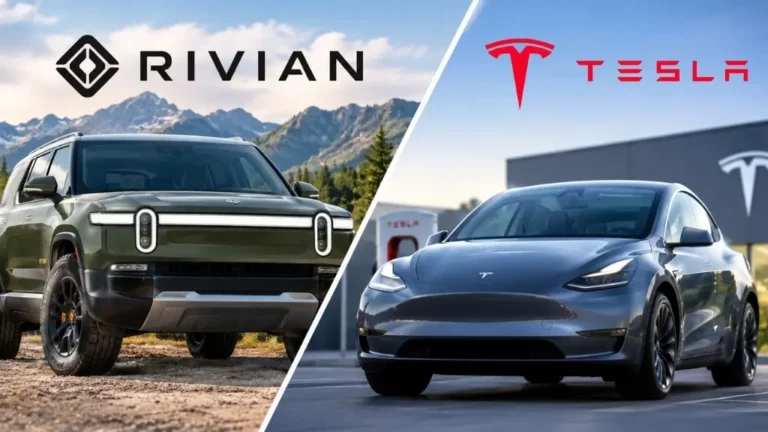
Yet while families struggled with the highest fuel prices ever recorded — a national average of $5.02 per gallon — the federal government was encouraging Americans to buy electric vehicles costing between $50,000 and $70,000.
Transportation officials suggested that the “more pain” people felt from gasoline prices, the more attractive EVs would become. Energy officials repeated that an electric car was the fastest way for families to reduce their gas bill to zero. For most households, though, the math just didn’t work. The average new EV price in 2022 was $66,000 according to Kelley Blue Book, while the median U.S. household income was around $74,000. A new electric car was not an immediate or practical solution.
Meanwhile, federal actions during those early years reflected a shift away from domestic oil development. The Keystone XL pipeline permit was canceled on day one, new federal oil and gas leasing was paused, existing Arctic leases were withdrawn, and a record 180 million barrels were released from the Strategic Petroleum Reserve. Drilling permits decreased, and U.S. oil production fell below 2020 levels despite growing demand. Those choices — combined with refinery constraints and global volatility — kept domestic supply from growing at the pace needed to bring relief.
The landscape looks very different today. By late 2025, U.S. energy production had expanded significantly. Federal lands reopened for leasing, permitting became faster, and producers were able to meet more of the country’s energy needs. American crude oil production climbed to an all-time high of 13.4 million barrels per day, and the number of active drilling rigs rose substantially from pandemic-era lows. More supply began moving through the system, helping stabilize markets that had been strained for years.
The results are unmistakable. The national average for regular gasoline sits near $3 per gallon — roughly 40 percent lower than the 2022 peak. And it isn’t just a handful of states seeing relief. Eighteen states now have average prices below $2.75. Drivers in Texas, Oklahoma, Mississippi, and several others are routinely seeing prices starting with a “2,” a number many thought wouldn’t return anytime soon. These aren’t isolated discounts; they are widespread indicators of stronger supply and more balanced market conditions.
It remains true that no president controls gas prices outright. Global crude markets, refinery operations, seasonal demand, transportation costs, and taxes all influence what drivers pay. But federal policy does shape how quickly American energy can be produced, moved, and delivered. When supply is constrained, prices rise. When supply grows, prices ease. The past three years have demonstrated this in real time.
The contrast between the experience of 2022 and the reality of 2025 underscores a simple point: energy policy affects everyday life in immediate, measurable ways. It determines what families pay to commute, what businesses spend to operate, and what consumers pay for goods delivered across the country. It is not theoretical. It shows up every time someone fills their tank.
For millions of Americans now seeing sub-$3 gasoline again, the numbers tell the story more clearly than any political argument.
Check out my full commentary on this story: http://youtu.be/Zj44M9pWlEU
Looking for more automotive news? https://www.CarCoachReports.com
Listen to The Drive Car Show – https://www.youtube.com/@thedrivecarshow