On the Dash:
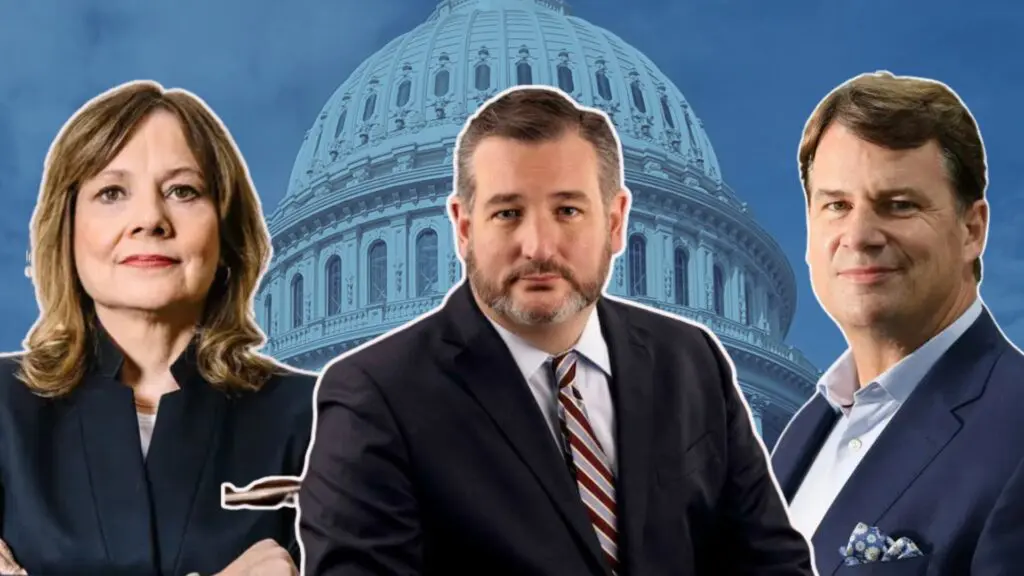
- Sen. Ted Cruz wants Detroit Three CEOs to testify at a Jan. 14 Senate hearing on vehicle affordability.
-
Ford and GM object, citing scheduling conflicts, subject matter concerns and unequal treatment versus Tesla.
-
The hearing is moving forward as planned, with no agreement yet on CEO attendance.
A standoff is emerging between U.S. Sen. Ted Cruz and the Detroit Three automakers over whether their chief executives will testify at a planned Senate hearing on vehicle affordability next month, according to reporting by Politico.
Cruz, a Texas Republican and chairman of the Senate Commerce Committee, has invited Ford Motor Co. CEO Jim Farley, General Motors CEO Mary Barra and Stellantis CEO Antonio Filosa to appear at a Jan. 14 hearing focused on surface transportation policy and rising vehicle prices. If all three attend, it would mark the first joint testimony by the Detroit Three CEOs since the 2008 financial crisis.
Ford is leading objections to the request, citing concerns about scheduling, subject matter, and what it views as unequal treatment among invited automakers. The hearing is scheduled during the Detroit Auto Show.
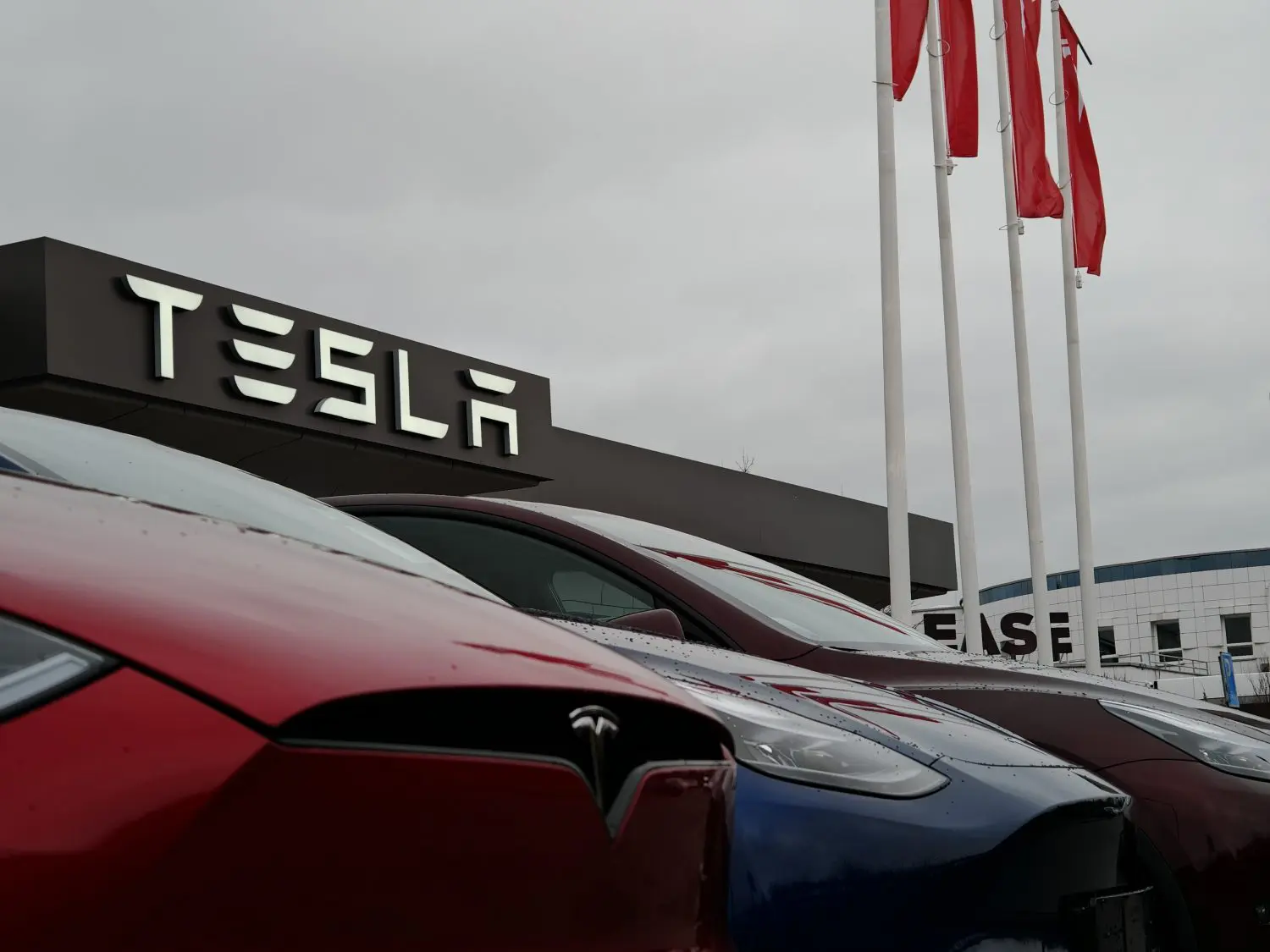
Politico reported that Ford raised its objections in a Dec. 12 letter to Cruz, arguing that the hearing’s topic does not align with Farley’s role and that other company leaders would be better suited to testify. The letter also questioned why Tesla was invited to send a vice president rather than its CEO, while Ford and other legacy automakers were asked to produce top executives.
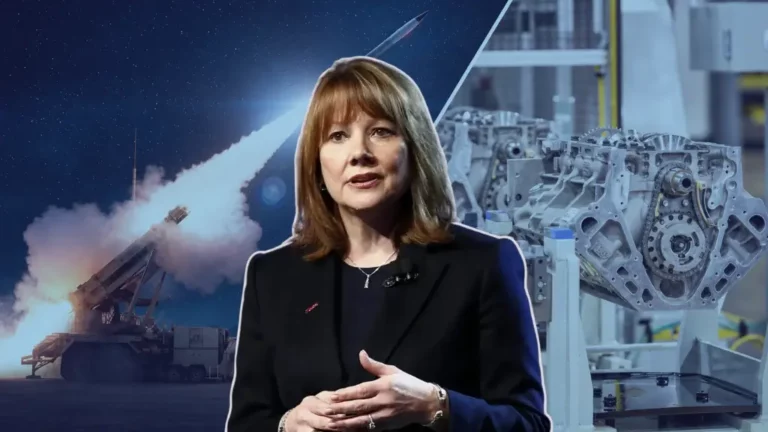
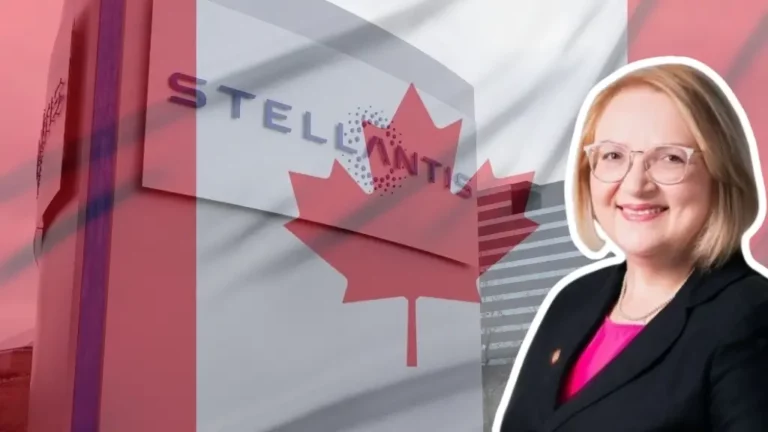
General Motors has taken a similar position, indicating Barra would attend only if the other invited CEOs also participate. GM has maintained communication with committee staff but has not committed to Barra’s attendance. Stellantis has declined to comment on whether Filosa will appear.
Despite the objections, Cruz’s office has said plans for the hearing remain unchanged and that the committee expects all three Detroit automakers to participate. The hearing is titled “Pedal to the Policy: The Views of the American Auto Industry on the Upcoming Surface Transportation Reauthorization.”
The surface transportation reauthorization process typically governs federal highway funding and safety programs overseen by the National Highway Traffic Safety Administration. While automakers are not direct recipients of most funding, past reauthorization bills have included provisions with significant industry impact.
Cruz has framed the hearing as a broader discussion on affordability, regulation and the cost of vehicles, arguing that government mandates have contributed to rising prices. The dispute places the automakers in an uncomfortable spotlight as they navigate regulatory changes, tariffs and an uneven transition to electric vehicles.