TSLA419.690-16.1%
GM81.310-1.93%
F16.985-0.455%
RIVN16.9000.6%
CYD56.570-0.15%
HMC26.155-0.835%
TM182.640-7.31%
CVNA70.550-2.45%
PAG168.0400.67%
LAD289.540-1.35%
AN189.2601.54%
GPI310.500-5.84%
ABG184.390-3.32%
SAH82.420-0.2%
TSLA419.690-16.1%
GM81.310-1.93%
F16.985-0.455%
RIVN16.9000.6%
CYD56.570-0.15%
HMC26.155-0.835%
TM182.640-7.31%
CVNA70.550-2.45%
PAG168.0400.67%
LAD289.540-1.35%
AN189.2601.54%
GPI310.500-5.84%
ABG184.390-3.32%
SAH82.420-0.2%
TSLA419.690-16.1%
GM81.310-1.93%
F16.985-0.455%
RIVN16.9000.6%
CYD56.570-0.15%
HMC26.155-0.835%
TM182.640-7.31%
CVNA70.550-2.45%
PAG168.0400.67%
LAD289.540-1.35%
AN189.2601.54%
GPI310.500-5.84%
ABG184.390-3.32%
SAH82.420-0.2%

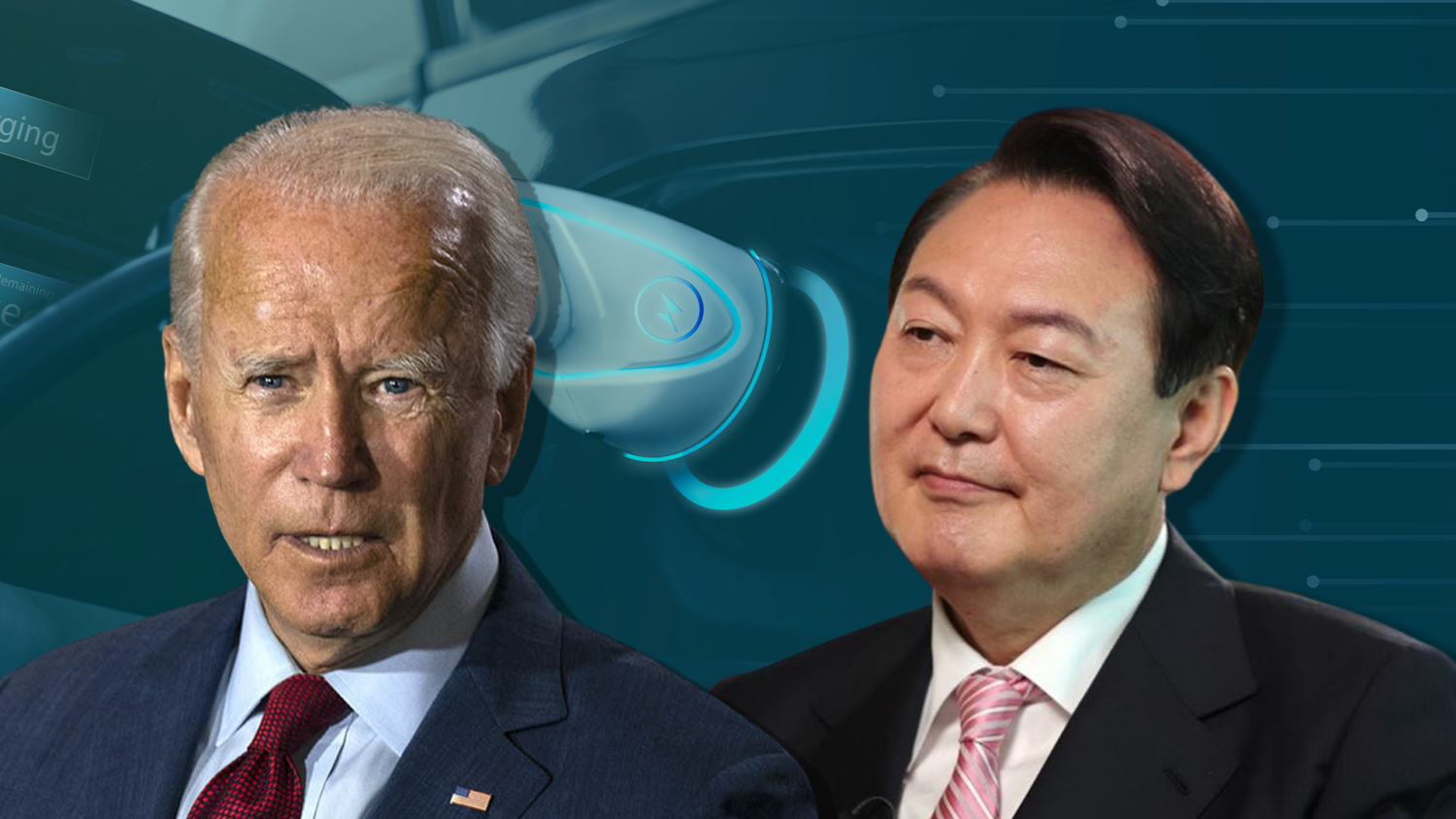
Biden vows to continue talks with South Korea over EV tax credits

EV tax credits

Image sources: Carolyn Kaster for AP, CNN

President Joe Biden has reached out to South Korean President Yoon Suk-yeol, signaling his willingness to continue negotiations with the country regarding the recently passed Inflation Reduction Action that prevents most foreign automakers from receiving tax credits for electric vehicles.

According to an official from the Office of the South Korean President, Biden offered assurances in a “personally signed letter.” Last month, Yoon asked Biden for help finding a way to prevent the restrictions from impairing South Korean companies, and to quell criticism from officials in Seoul.

The letter comes after Yoon and Biden met during the South Korean President’s visit to New York last month. Although there was no formal summit, the Presidential office reported at the time that Biden had conveyed his appreciation for Seoul’s concerns and that he would continue talks on the issue.

“We assess that President Biden reaffirmed his understanding of our concerns through a personally signed letter,” the official said. “It shows Biden’s willingness to be considerate towards South Korean companies in the future.”

South Korea’s concerns center on legislation that requires EVs to be assembled in North America to qualify for tax credits in the US, ultimately denying subsidies to Hyundai Motor Co. and Kia Corp., as neither company manufactures vehicles inside North America.

The result of the restrictions is that only about 20 EV models currently qualify for subsidies under the new law, including vehicles from Ford Motor Company and BMW.


Did you enjoy this article? Please share your thoughts, comments, or questions regarding this topic by connecting with us at newsroom@cbtnews.com.

Be sure to follow us on Facebook, LinkedIn, and TikTok to stay up to date.

While you’re here, don’t forget to subscribe to our email newsletter for all the latest auto industry news from CBT News.
More from Articles
SBA will host its second 2026 Supplier Matchmaking Expo June 5 in Detroit, connecting small suppliers with major buyers.

SBA, General Motors to co-host Supplier Matchmaking Expo in Detroit [registrations open]

- June 1, 2026
DETROIT, Mich. — Today, the U.S. Small Business Administration (SBA) announced that its second 2026 Supplier Matchmaking Expo will take place on June 5, 2026, at the MotorCity Casino in Detroit, Michigan. The event,...
New U.S. trade proposal would raise vehicle content requirements, reshape North American supply chains

New U.S. trade proposal would raise vehicle content requirements, reshape North American supply chains

- June 1, 2026
On the Dash: Higher U.S. content requirements could increase sourcing and manufacturing costs across the automotive supply chain. Changes to USMCA rules may affect vehicle pricing, production strategies, and inventory...
UAW strike begins at major GM supplier after contract talks fail

UAW strike begins at major GM supplier after contract talks fail

- June 1, 2026
On the Dash: A strike at a key General Motors supplier could lead to future disruptions in parts and production if the work stoppage continues. Labor costs, wage demands, healthcare...
Mercedes-Benz dealers face uncertainty as Congress weighs ownership restrictions

Mercedes-Benz dealers face uncertainty as Congress weighs ownership restrictions

- June 1, 2026
On the Dash: Proposed legislation could bar Mercedes-Benz from importing, selling, or manufacturing vehicles in the U.S. for five years. Dealers should monitor the bill's ownership thresholds, which could affect...