On the Dash:
- Xpeng is looking to turn its EV technology into a broader business by licensing systems to other automakers and suppliers.
- Its Volkswagen partnership shows the potential for technology services to deliver significantly higher margins than vehicle sales.
- The expansion highlights how Chinese automakers are increasingly commercializing software, electronics and driver-assistance technology outside their own vehicle brands.
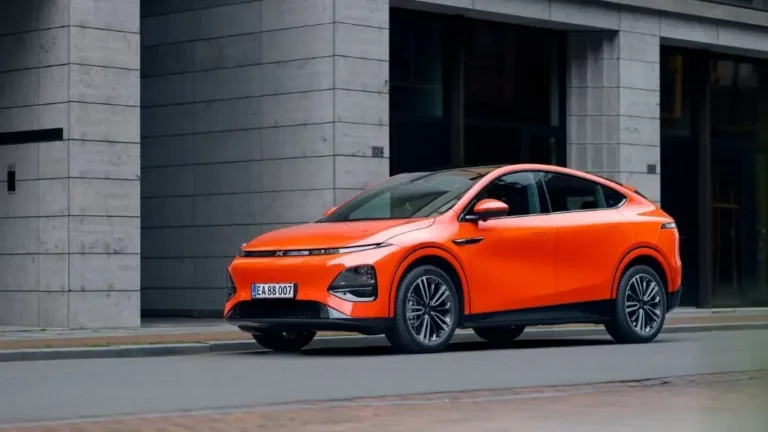
Xpeng is actively pursuing additional global technology partnerships as it seeks to create new revenue streams beyond vehicle sales. The Chinese electric vehicle (EV) manufacturer has reached out to potential partners interested in its technology, according to sources familiar with the situation, as it looks to expand beyond its existing partnership with Volkswagen.
For the first time, Reuters reported on Xpeng’s expansion plans. The company intends to make several components of its technology stack available to external firms, including:
- Electrical and electronic architecture
- Cockpit systems
- Turing AI chips
- Advanced driver-assistance software
Potential customers for Xpeng’s technology include foreign automakers, software developers, and automotive suppliers. Additionally, Xpeng aims to broaden its technology licensing business into physical AI applications. This includes exploring licensing and customization opportunities in areas such as robotaxis, robotics, and other services. The company may also provide operational support for robotaxi services.
Exisiting partnerships
Xpeng’s partnership with Volkswagen lays the groundwork for this strategy. In 2023, Volkswagen acquired a 4.99% stake in Xpeng for approximately $700 million. This partnership encompasses EV platforms, software, and electronic architecture. The collaboratively developed ID.UNYX 08 SUV features Xpeng’s cockpit systems, smart-driving technology, and Turing AI chips, entering mass production in March 2026, around 24 months after the partnership began.
Technology services are now generating higher profit margins for Xpeng than their vehicle sales. The vehicle margin for Q2 dropped to 12.1%, from 14.3% the previous year. Meanwhile, revenue from services and other segments almost doubled, with margins rising to 75.1% from 53.6%. Xpeng credits much of this growth to its technology research and development services via its partnership with Volkswagen, as well as sales of components and accessories.
To further capitalize on technology opportunities, Xpeng is establishing a dedicated commercial operation focused on securing more technology deals. About six months ago, the company formed a strategic commercialization team tasked with evaluating technology partnerships and other commercial prospects. This initiative could enable Xpeng to monetize technology developed for its own vehicles across a wider spectrum of industry customers.
Technology push
Xpeng’s push into technology comes as it expands beyond traditional EV manufacturing. The company is working on robotaxis, humanoid robots, and flying cars. Its IRON humanoid robot has recently moved onto production lines, and Xpeng expects to reach mass production by year-end, with plans for commercial deliveries in China and international markets by 2027.
Further, Xpeng’s global vehicle expansion may further strengthen its technology strategy. Since its entry into Norway in 2020, the company has sold over 100,000 vehicles internationally. Xpeng is actively expanding its international product range, aiming to combine vehicle sales with technology licensing and services as key global revenue streams.