On the Dash:
- Volkswagen is exploring rugged SUVs and pickups to expand its U.S. lineup and reach higher-margin segments.
- U.S. production could reduce tariff exposure while giving dealers new products tailored to American buyers.
- Scout’s planned Terra pickup and Traveler SUV could provide a foundation for Volkswagen Group’s broader U.S. strategy.
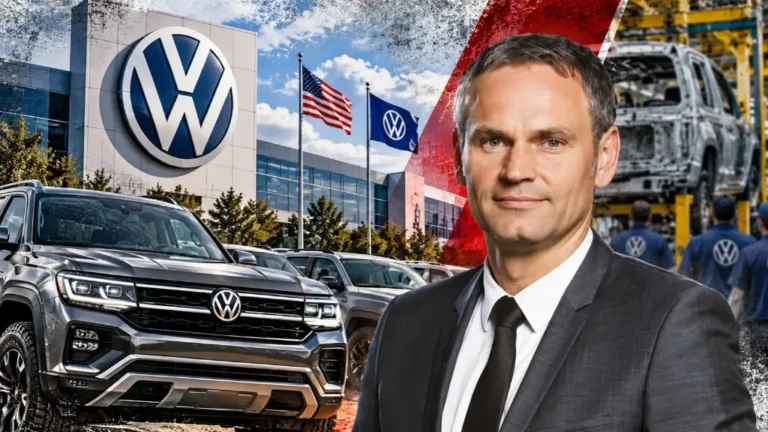
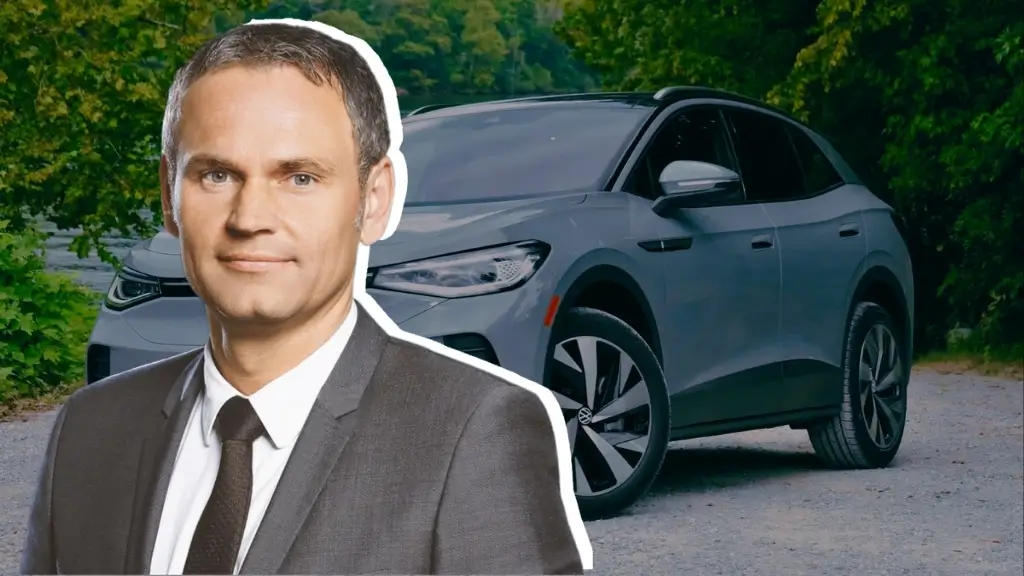
Over the past few months, the German automaker has been navigating efforts to stay competitive in today’s market. So when Volkswagen’s CEO Oliver Blume announced that the automaker is exploring rugged, U.S.-built SUVs and pickups for both the Volkswagen and Audi brands as it looks to expand into higher-margin segments and reduce its exposure to tariffs, it came as no surprise.
Blume has called rugged SUVs and pickups an untapped opportunity for Volkswagen Group, and the automaker is weighing ladder-frame models for both brands, a shift toward products built for U.S. consumer preferences. The automaker has also had limited presence in the segment, which is currently dominated by Ford, GM, Stellantis and Toyota.
Building those rugged models in the U.S. could reduce Volkswagen’s exposure to tariffs on imported vehicles and move the brand away from lower-margin imports built in Mexico, the company said. CFO Arno Antlitz said tariff costs have pressured margins on vehicles such as the Jetta and Taos, and Volkswagen is shifting its focus toward segments with stronger profit potential. A bigger presence in rugged SUVs and trucks could give dealers additional high-value products that complement Volkswagen’s existing SUV lineup rather than simply adding volume, according to Antlitz.
Scout offers a possible blueprint
Volkswagen Group already has a U.S. manufacturing strategy in motion through Scout Motors, which plans to build the Terra pickup and Traveler SUV in South Carolina, with sales set to begin in 2028. The body-on-frame models will give the Group experience developing vehicles tailored to U.S. buyers, though it remains unclear whether Volkswagen or Audi models will share Scout’s technology or production facilities.
Meanwhile, Audi currently has no comparable body-on-frame SUV or pickup. A rugged model could let Audi enter a new segment of the luxury market and appeal to buyers seeking premium capability and off-road performance, helping the brand diversify its U.S. lineup after a 17% sales decline in the first half of the year.
Breaking into a loyalty-driven market
Gaining traction in the pickup segment will not come easily, since buyers tend to stay loyal to established brands. Ford’s F-Series still dominates the full-size pickup market, GM and Stellantis hold strong positions with Chevrolet, GMC and Ram, and Toyota has built market share with the Tacoma and 4Runner. Volkswagen will need to overcome decades of brand loyalty and established dealer networks to compete.
Not all SUV growth is moving toward truck-based vehicles, either. Many consumers still favor car-based models such as the Toyota RAV4 and Honda CR-V, which typically deliver better fuel efficiency than heavier body-on-frame vehicles, so Volkswagen will need to balance capability with efficiency as it develops new U.S. products.
Blume’s comments mark a shift away from a one-size-fits-all global product strategy toward vehicles built for individual markets’ needs. The plans remain exploratory, but they signal Volkswagen’s intent to build a more competitive, locally focused lineup in the U.S., a shift that could give dealers new rugged SUVs and pickups aimed at higher-margin segments.