
On the Dash:
- Canada says protecting its auto assembly and parts industry is critical to reaching a U.S. trade agreement.
- Tariff relief for medium- and heavy-duty vehicles remains a key sticking point in negotiations.
- Canada plans to keep negotiating but says it will preserve all options as the trade fight continues.
According to Canadian Ambassador Mark Wisema on Thursday, Canada cannot accept a U.S. trade deal that weakens its auto industry as tariff tensions between the two countries escalate following the collapse of trade talks. Wiseman told Reuters that preserving Canada’s vehicle assembly and parts manufacturing, along with the jobs tied to those operations, remains a nonnegotiable condition of any agreement.
Wiseman said Canada needs to keep that manufacturing capability and those jobs at home, noting that the sector accounts for a large share of the country’s industrial base, particularly in Ontario and Quebec. He called preserving a robust assembly and parts industry critical from Canada’s perspective. Despite the standoff, Wiseman said Canada remains committed to negotiations and expects the two countries to eventually reach an agreement.
Tariff treatment for medium- and heavy-duty vehicles emerged as a central sticking point before talks broke down. Wiseman said Canada needed those vehicles to be included in any tariff relief to protect its broader automotive manufacturing base, an issue that affects General Motors and Ford, both of which operate production facilities in Canada. However, Commerce Secretary Howard Lutnick disputed that account, telling reporters Canada did not raise the truck tariff issue until the final hours of negotiations on Friday.
New tariffs create pressure
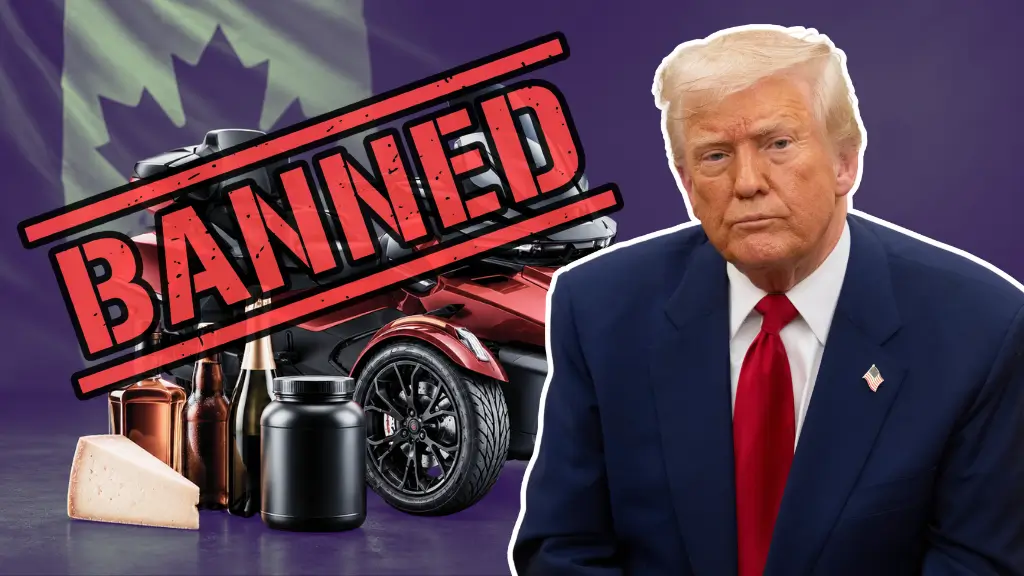
Notably, the collapse triggered swift escalation on both sides, as President Donald Trump ordered 50% tariffs on roughly $20 billion in Canadian goods after talks fell apart, and Canada responded with its own $20 billion package of retaliatory tariffs set to take effect Sept. 8.
The U.S. duties hit a range of Canadian sectors, including:
- Wine
- Furniture
- Dairy products
- Cement
- Clothing
- Fishing rods
- Hockey equipment
Additionally, these do not exempt goods otherwise covered under the existing North American trade agreement, but the escalation adds another layer of uncertainty for automakers and suppliers operating across the U.S.-Canada border.
Wiseman said Canada intends to keep talking as long as negotiations continue to produce progress, adding that Canada is not walking away from the table but has a plan and remains resolute. Although he described himself as an optimist that a deal will eventually get done, he said Canada has not set a timeline for restarting formal talks, but the country will preserve all options if the dispute continues to escalate.
What this means for U.S production
For the auto industry, the standoff underscores how tightly cross-border manufacturing is woven into North American production. A prolonged tariff dispute could shape where automakers choose to build vehicles, how they source parts and what those vehicles ultimately cost. For dealers, continued uncertainty could ripple into vehicle pricing, inventory planning and the cost of imported components, reinforcing how much the industry depends on predictable trade rules across the U.S.-Canada-Mexico supply chain.