Difficult conversations come up constantly in the car business. It could be a tense talk with a partner, a tough conversation with an employee, or a high-stakes negotiation with a customer. Some people put these moments off and hope they resolve on their own, but that rarely works in their favor. A better approach starts with listening first, choosing words that lower defenses, and treating every conversation as a negotiation.
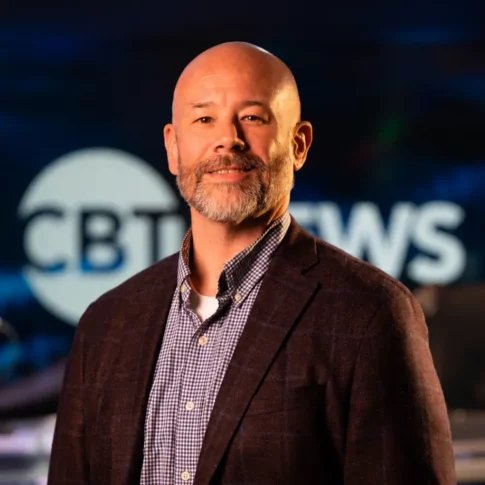
Joining us on the latest episode of CBT Now is Jonathan B. Smith, Negotiations Instructor with The Black Swan Group and Co-Author of Fight Less, Win More: How Master Negotiators Influence Hearts, Minds, and Deals. Smith says business owners need a framework for handling difficult conversations, which includes making people feel heard and knowing when a simple “no” moves a conversation forward more than a “yes.”
Why negotiation gets delayed
Smith says people often treat a difficult conversation as the real problem, when the actual issue is the delay. People tend to assume that raising an issue will make things worse, he says. So, his approach starts with a shift in focus. Instead of jumping straight to making a point, he says you should first make the other person feel understood.
"Everyone's just waiting to be heard... As soon as they realize you see their perspective, they open up, and you remove yourself as a threat... and you put yourself in a position to put a better negotiation together."
Once someone senses that their perspective has actually registered, they stop viewing the conversation as a threat. That shift opens the door to a more productive exchange and puts both sides in a better position to reach a resolution.
Say what you sense
One technique Smith teaches is called labeling. It means naming an intuition out loud instead of pushing straight into an argument. A dealership leader who senses tension building in a conversation can address it directly, using phrasing like “it seems like” or “it sounds like” before naming what they’re picking up on.
Once a label is out there, Smith says, people feel compelled to respond to it one way or another. That reaction is where the technique does its work.
If the label misses the mark, the other person corrects it and reveals more of what’s actually going on. If it lands, they feel understood. Either outcome moves the conversation forward, according to Smith.
Stop chasing agreement
People often chase agreement, but Smith says that instinct can often work against them. Most people are conditioned to say yes automatically, which leaves them fatigued and guarded when they sense another yes is being asked of them.
"People are so used to saying no to a yes-oriented question... By making a no-oriented question, it makes people feel like you aren't a threat. They have the option of saying no."
Smith’s approach flips the structure of the question itself. By framing a request so that “no” is an acceptable answer, the other person feels less cornered and less like they’re being pushed toward a decision.
That shift matters because people tend to resist when they feel trapped. Removing the pressure to agree, Smith says, makes it more likely that someone will open up and negotiate honestly.
Everything is a negotiation
Negotiation isn’t limited to the sales floor or the boardroom. It happens constantly, in moments most people don’t even register as negotiations, Smith said. Ordering coffee, asking a child to get ready for bed, and settling a disagreement with a general manager all fall under the same skill set.
These skills don’t just apply to sales teams or general managers, Smith says. Service advisors, F&I managers and staff at every level of the dealership can benefit from the same approach, since negotiation shows up in nearly every kind of interaction, not just deals on the showroom floor.
Any conversation involving a want or a need, whether it’s yours or the other person’s, is technically a negotiation, Smith says. Recognizing that shifts how people prepare for even routine exchanges.
The same techniques used to close a deal can improve conversations with employees, customers and family members alike.
For anyone looking to handle conflict more effectively, the lesson is to stop treating hard conversations as something to avoid, and start treating them as a skill to build.