
On the Dash:
- Nearly a third of premium SUV owners defected to mainstream brands in H1 2026, according to a new JD Power survey.
- The premium-to-mainstream satisfaction gap shrank to 29 points, down from 66 in 2008.
- Premium brands now spend 7.3% of MSRP on incentives, versus mainstream’s roughly 6%.
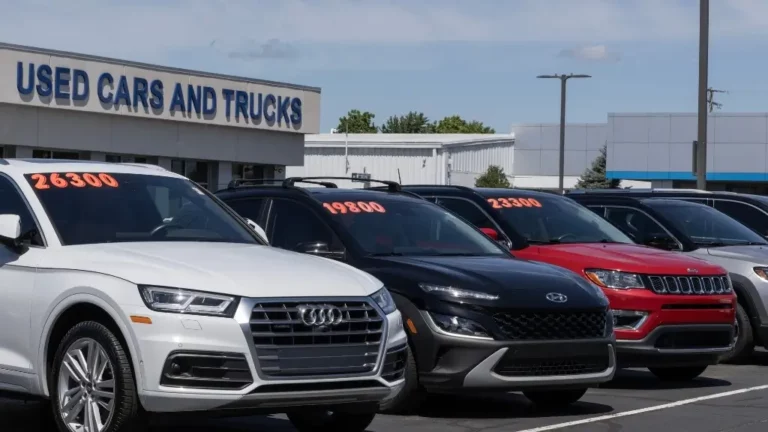
Premium brands are losing ground to mainstream SUVs, according to a new JD Power Automotive OEM Intelligence Report. According to the report, nearly a third of buyers who traded in a midsize premium SUV chose a non-luxury brand during the first half of 2026.
Where premium SUV owners are landing
Premium vehicles, excluding direct-to-consumer brands, made up 13.3% of new-vehicle sales in the first half of 2026, down from 13.8% a year earlier and the lowest premium share since 2020. Among owners trading a midsize premium SUV, 32% moved to a mainstream brand, with 11% landing in mainstream midsize SUVs and 6% in compact SUVs.
The report also highlighted that compact premium SUV owners defected at a similar 30% rate, while compact premium car owners hit 42%, the highest of any segment. Pickup trucks stayed flat, with large light-duty defection holding at 2.6% since 2024.
Premium loyalty splits by age, income and geography
Baby Boomers (born 1946 to 1964) and Pre-Boomers (born before 1946) remain the most likely to replace one premium vehicle with another. The defection rate climbs through Gen X (born 1965 to 1980) and Millennials (born 1981 to 1996), peaking with Gen Z (born 1997 to 2012), the study found.
Currently, households earning $200,000 or more show the strongest premium loyalty, and retention weakens steadily as income drops below that mark. Meanwhile, rural and suburban buyers are also more likely to defect than urban buyers, who remain the most premium-loyal group.
Satisfaction gap narrowing
JD Power’s 2026 APEAL Study found that the emotional-satisfaction gap between premium and mass-market brands has narrowed to 29 points on a 1,000-point scale, down from 66 points in 2008. Premium brands no longer hold a consistent edge in infotainment, exterior execution, driver-assistance systems or even the feel of a closing door.
EV competition pushed the entire industry to invest in screens, software and safety technology, and mainstream brands picked up features once reserved for luxury models. Initial quality issues, including infotainment glitches and difficult setup, are compounding the problem for some new premium models.
Buyers moving from premium to mainstream midsize SUVs are paying about $19,100 less on average, the report found, even as mainstream models close the gap on features and technology.
Market conditions adding pressure
Premium days supply peaked near 76 days in April 2026 and sat at about 67 last month, still above mainstream’s roughly 56. Premium incentives have topped 7% of MSRP for most of the year, near 7.3% last month, compared with about 6% for mainstream brands.
For dealers, the data points to execution over equipment. Mainstream competitors now match premium brands on technology and comfort at a much lower price, and premium stores need a clear answer for why the badge is worth the difference.