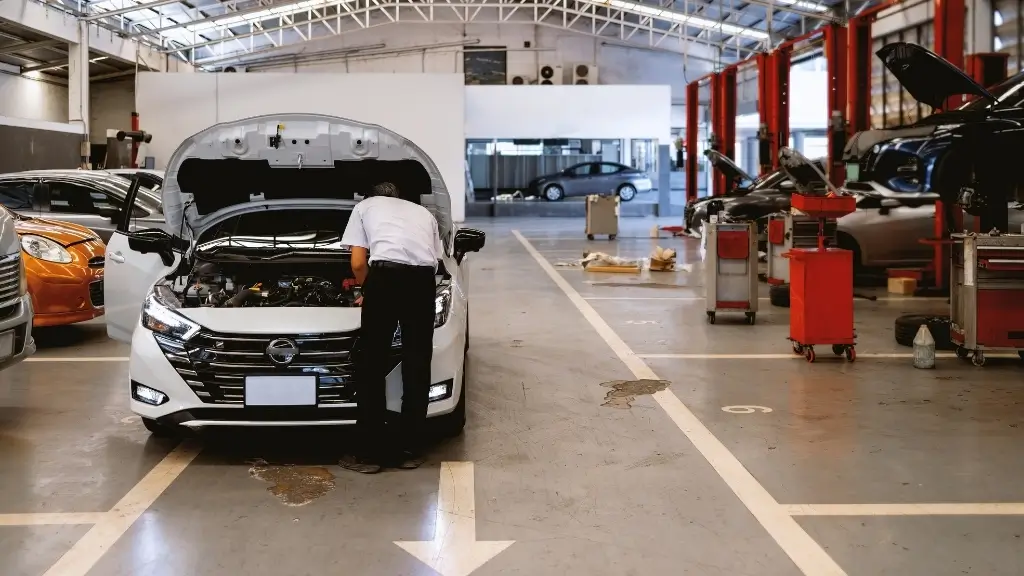

Why am I seeing so much repair work in shops today instead of the healthy balance of maintenance and repair work we used to enjoy? The answer is actually simple: the average vehicle on the road today is now more than 12 years old.
As vehicles age, repairs become more frequent and more complex. That shift has changed the way service departments operate—and not necessarily for the better.
So, what are the consequences of all this diagnostic-intensive repair work?
Your best technicians are spending their entire day diagnosing problems, ordering parts that are rarely in stock, and finally completing the repair once those parts arrive. By then, there is little time—or motivation, given their growing backlog—to perform a thorough multipoint inspection (MPI). Add the constant pressure from customers, dispatchers, advisors, and management to complete the primary repair, and identifying additional maintenance or mileage-based services quickly becomes a low priority.
On the surface, owners and managers may be pleased to see full shops and technicians staying busy. However, many fail to recognize that diagnostic work—whether warranty or customer-pay—is rarely completed within the allotted labor time. As a result, technicians fall behind on productivity almost immediately.
The challenges don’t stop there. Parts availability for repair work continues to decline, forcing technicians to remove vehicles from their hoists while waiting for parts—or worse, leave them occupying a bay for days. Either scenario creates significant lost productivity.
Then there are the approval delays. Manufacturers, warranty companies, and customers all require authorization before repairs can proceed. Many customers have never owned a vehicle this long and are often surprised by the cost of today’s parts and labor, creating even more delays before repairs can begin.
The cumulative effect of these challenges is quietly eroding service department profitability in several ways:
- To retain your best technicians, you are often forced to provide production-hour guarantees, reducing labor gross profit through unapplied time.
- Warranty and customer-pay diagnostic work frequently reimburse fewer hours than the time actually required.
- Vehicles leave the shop without customers being informed of needed maintenance or unrelated concerns because no quality MPI was completed.
- The “gravy” work—routine maintenance and straightforward repairs that allow skilled technicians to outperform flat-rate times and build production—is disappearing from their day, increasing the need for guaranteed pay.
Repairing vehicles is what dealerships do, and we certainly want—and need—that repair business. However, opening the service department every morning without a structured plan creates a vicious cycle. Talented technicians become overworked, overstressed, and increasingly unproductive.
The long-term consequences are even more concerning.
Most employees build their lives around a predictable income, and technicians are no exception. As productivity declines, they eventually find themselves back in management’s office requesting a larger guarantee—or worse, leaving for another shop where they have a better opportunity to maximize their earning potential.
So, where do you begin if you want to bring the gravy work back and create happier, more productive employees?
It starts with mastering scheduling and day-before preparation.
When service departments properly review and prepare the next day’s workload, they can identify overloaded schedules before the doors open. Adjustments can then be made to balance technician assignments, allowing the dispatch system to function as intended. This creates the time needed for technicians to perform quality multipoint inspections, uncover additional customer-pay opportunities, and add productive work that boosts both their paycheck and the department’s profitability.
Everyone benefits.
Customers receive a complete picture of their vehicle’s condition, allowing them to make informed decisions about whether to repair or replace their vehicle. Advisors can provide more accurate completion times, improving communication and customer satisfaction. Technicians become more productive and less frustrated. Management sees stronger gross profit and improved employee retention.
That’s a win for everyone.
Conclusion
Restoring the proper balance between repair work and maintenance isn’t just about bringing back “gravy” work. It’s about creating a healthier service operation—one where technicians are productive, customers are better served, and the department delivers stronger, more sustainable net profits.