On the Dash:
- Trump’s memo backs Americans’ right to repair their own vehicles using aftermarket parts.
- The EPA must clarify allowable emissions repairs within 30 days, by late July.
- Automakers and NADA remain split with aftermarket groups over repair-data access.
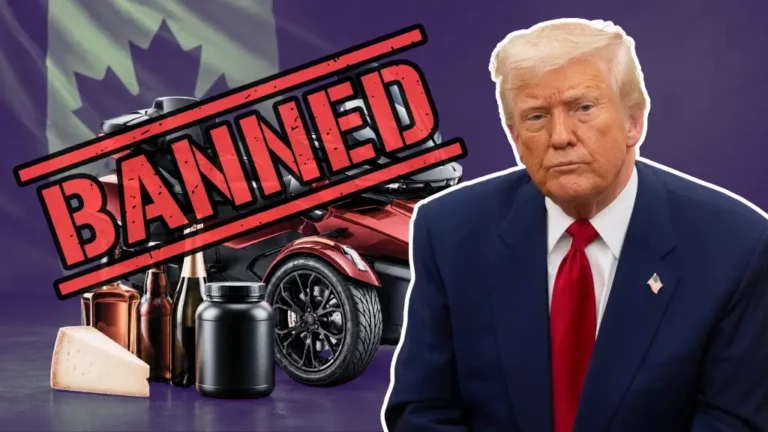
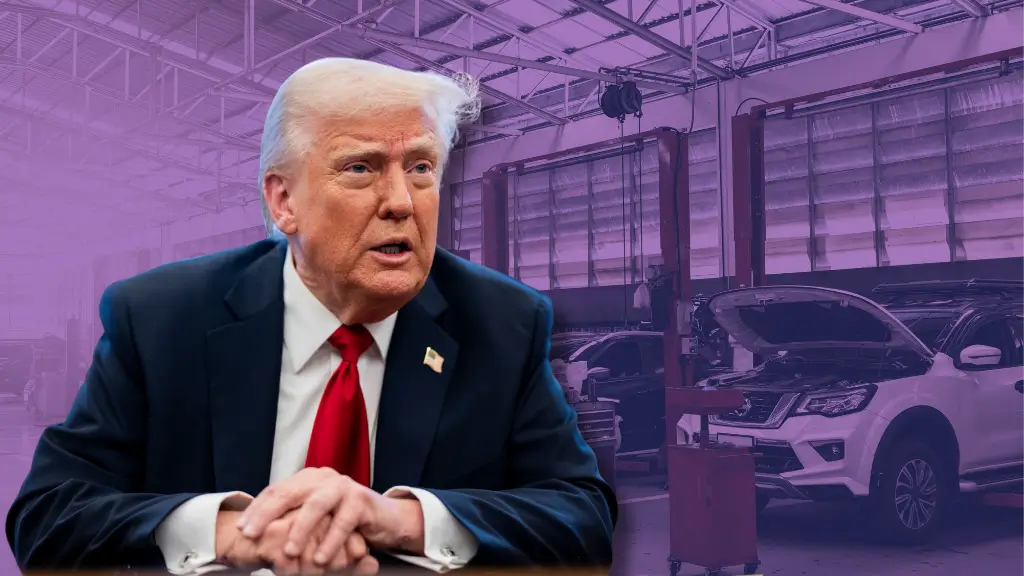
President Donald Trump signed a presidential memorandum Monday supporting Americans’ ability to repair their own vehicles. The order is titled “Lowering the Cost of Living by Promoting the Freedom to Fix.” It directs federal agencies to expand access to aftermarket parts, lower repair costs and support independent shops.
Americans are generally free to repair their own vehicles, but federal law prohibits tampering with emissions-control systems. Automakers have also long restricted independent mechanics’ access to diagnostic software, repair information and specialized tools.
Speaking in the Oval Office as he signed the order, Trump cast it as a cost-of-living win for drivers.
“It means a lot to people that own vehicles, cars in particular, but cars and anything else. It’s going to save them a lot of money, and they’re going to be able to do it themselves.” Trump said.
The memo directs the Environmental Protection Agency to clarify within 30 days which emissions repairs owners may perform. It also seeks to curb California’s authority to regulate aftermarket parts nationwide. Officials are advised to deprioritize enforcement against people who fix their own vehicles.
The memo follows a June 3 White House meeting with automaker and dealer leaders, and the industry remains divided. The Alliance for Automotive Innovation has said roughly 75% of post-warranty repairs already happen at independent shops. Automakers argue current agreements give shops the access they need while protecting cybersecurity and proprietary data.
NADA opposes broader right-to-repair legislation. The dealer group warns it could let aftermarket suppliers reverse-engineer parts and produce knockoffs. It has also cautioned the change could give insurers more sway over repair decisions.
The memo arrives as Congress weighs its own action. The House Energy and Commerce Committee advanced the Motor Vehicle Modernization Act of 2026 by a 48-1 vote in May, codifying existing repair-information agreements and naming the FTC as enforcer.