On the Dash:
- Mexico’s counterproposal would tax only non-North American content, potentially cutting the top tariff rate from 25% to 5-10%.
- Automakers have warned they could pull entry-level models from the U.S. without a renewed USMCA deal.
- A fourth U.S.-Mexico bilateral round is set for September in Washington, with Canada talks still unopened.
Mexico has floated a new tariff structure in the United States-Mexico-Canada Agreement (USMCA) talks that would tax only the portion of a vehicle’s value built outside North America, according to The Wall Street Journal, citing people familiar with the negotiations. If adopted, the change could lower the effective tariff rate on many vehicles built in Mexico and Canada and ease pricing pressure dealers have been bracing for since last year.
How the new tariff structure would work
Currently, the U.S. applies a 25% tariff to non-U.S. content in vehicles imported from Canada and Mexico. Under Mexico’s counteroffer, that tariff would apply only to the value of components sourced from outside North America, while parts made in Mexico and Canada would qualify for duty-free treatment. Since USMCA already requires 75% of a vehicle’s content to originate in North America, the plan would ultimately limit the tariff to a quarter of a car’s value or less. The Journal reported the proposal would drop the top-line rate from 25% to somewhere between 5% and 10% for qualifying North American vehicles.
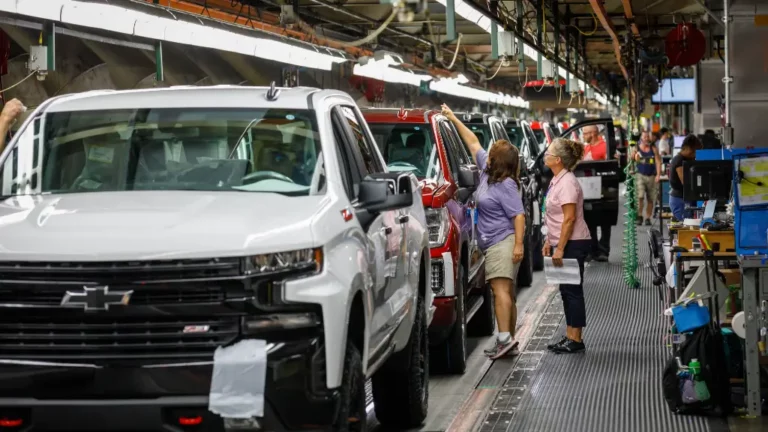
According to the Journal, some automakers have warned the administration that they might withdraw their cheapest models from the U.S. market if a new deal isn’t reached. Notably, implementing a lower effective tax rate on vehicles built in Mexico and Canada could help keep entry-level trims available in showrooms and ease pressure on transaction prices as they plan for the 2027 model year.
Mexico’s counter to the U.S. content demand
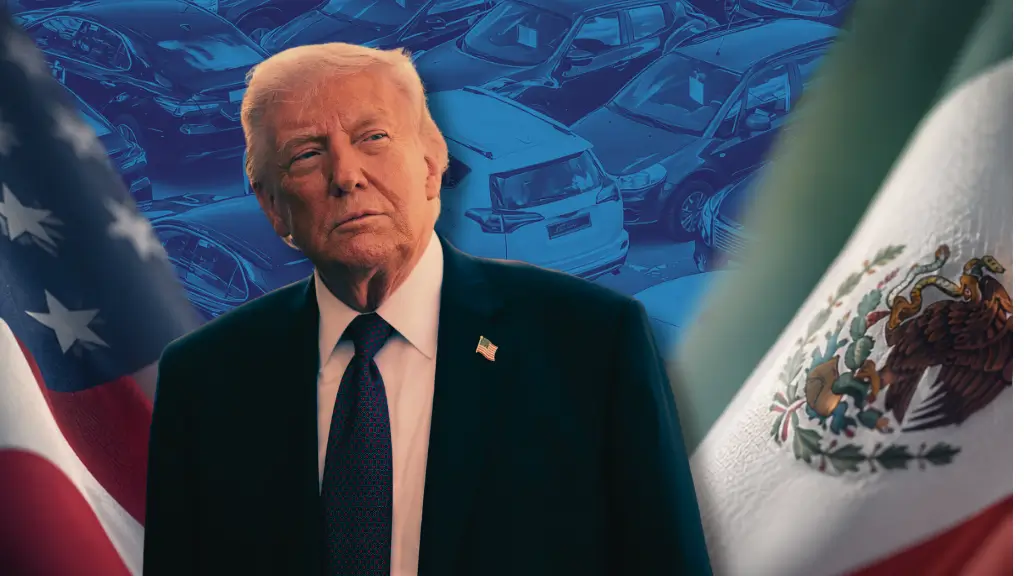
Mexico’s move is a direct response to a U.S. proposal that would require 50% U.S.-made content for vehicles to qualify for preferential tariffs, well above what most Mexican-built vehicles currently contain. Mexican officials consider that threshold unworkable, as do many automakers. Still, Mexico has stayed engaged on the broader concept of a U.S. content requirement, in part to give U.S. Trade Representative Jamieson Greer something to bring back to President Trump, who has repeatedly floated walking away from the deal altogether.
The counterproposal lands as the broader USMCA review remains unresolved. The U.S. declined to renew the agreement at the mandatory joint review on July 1, which triggered a shift to annual reviews under the pact’s terms, though the deal itself stays in force through 2036. Greer and Mexican Economy Secretary Marcelo Ebrard have held three bilateral rounds since May, narrowing their list of open issues from 54 to roughly 14, with automotive rules of origin, steel and aluminum tariffs, and labor enforcement among the items still unresolved. A fourth round is set for Washington in September.
Where Canada comes in
Canada has presented a similar automotive tariff framework to U.S. negotiators, the Journal reported, though it’s unclear whether Washington will accept it. Formal U.S.-Canada talks have yet to open, and pressure is building on that front separately. Trump has threatened an additional 50% tariff on roughly $20 billion of Canadian goods, about 5% of Canada’s U.S.-bound exports, if there’s no breakthrough before Aug. 19. Those tariffs would apply even to goods that already comply with USMCA.
The U.S. Trade Representative’s office and the White House didn’t respond to the Journal’s request for comment. The Mexican Embassy in Washington and a spokesman for Canada’s minister overseeing U.S. trade both declined to comment.