While the auto retail landscape is rapidly changing, dealers are navigating margin pressure while seeking new ways to drive profitability. On today’s episode of Inside Automotive, Jeff Rosen, President and CEO of Rosen Automotive Group, joins us to discuss how his shops are performing today. Rosen also serves as the chairman of Hyundai’s Dealer Advisory Board.
Rosen Automotive Group, which includes Hyundai, Kia, Nissan, Honda and Ford franchises, continues to lean on a diversified portfolio to navigate shifting consumer demand.
“Hyundai has a great offering of hybrids from the sedans up into the Palisade luxury vehicles. We're very excited and we're looking forward to a good 2026 in terms of continued momentum.”
Hyundai drives sustained growth
Rosen said Hyundai continues to lead performance within the group, posting five consecutive years of growth and projecting a sixth. He credits the brand’s broad lineup and robust hybrid offerings, which he said attract buyers facing higher fuel prices and tighter budgets.
Regarding the franchise system, Rosen says all of his current OEM partners remain committed to the dealer model. He believes that franchised dealerships offer consumers something direct-to-consumer competitors cannot, particularly in financing.
With roughly 70% of sales financed across his stores, Rosen argues that the dealership is where many customers’ purchase journeys stall without in-person support.
“With the franchise system coming to the dealership, that portion is streamlined.”
Pricing transparency & implementing AI
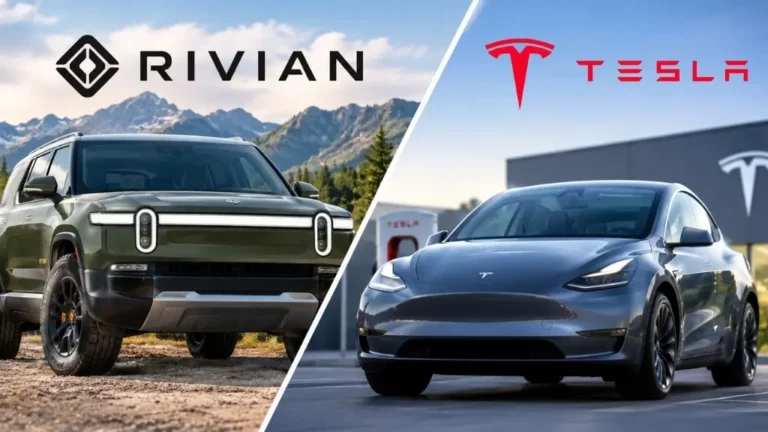
According to Rosen, pricing transparency is an area where the industry must improve. He warns that misleading advertised prices deteriorate customer trust and push consumers toward alternatives like Tesla and Carvana, which operate on no-negotiation models.
He says that when customers in his own market see inconsistent pricing from competitors and then show up to find the numbers do not hold, it reflects poorly on the entire franchise system.
Throughout the stores, Rosen states that his team is in the early stages of integrating AI across multiple areas of the business, including service scheduling, business development centers and customer engagement. He confirms that those AI tools help manage appointment flow, support online chat functions and extend dealership responsiveness beyond business hours. AI-driven insights are also helping identify customers who may be in an equity position and ready to upgrade, creating additional opportunities from existing service traffic.
Sourcing affordability
Additionally, Rosen places a high priority on purchasing used cars through various channels, like service drives, Facebook Marketplace, and Kelley Blue Book Instant Cash Offers, with a focus on inventory priced under $30,000 to meet affordability demand.
Trade activity, according to Rosen, remains robust as customers seek more affordable price points and lower monthly payments.
On inventory levels, Rosen said Hyundai is currently at an estimated 25-day supply, a manageable position that allows the group to focus on turning inventory while maintaining volume, which he described as central to his business philosophy.
Regarding the Hyundai and Amazon partnership, Rosen said conversations are ongoing and evolving. He acknowledged early obstacles stemming from the complexity of automotive retail compared to traditional e-commerce, but said both parties are working through them, with pre-owned vehicles now appearing on the Amazon platform as well.
He also credits Nissan, his first franchise dating back to 1989, for having improved considerably under its current executive leadership. He points to the brand’s expansion into hybrid vehicles as a positive step forward and says he wants all OEM partners to succeed, calling it essential to his own business stability.
Global competition
Rosen says dealers cannot ignore the potential entry of Chinese vehicles into the U.S. market. He warns that lower-cost, competitive products supported by foreign subsidies will force domestic automakers and dealers to respond.
He points to Ford’s reported development of a $30,000 electric truck as an example of the industry adjusting to increased global competition.