On the Dash:
- Ford’s domestic production advantage may become a stronger selling point as “Made in America” messaging gains traction.
- Policy-driven incentives could shift consumer demand toward U.S.-assembled vehicles
- Inventory sourcing and pricing strategies may be impacted as import-heavy competitors face cost pressures.
New industry data, first reported by the Washington Reporter, shows U.S. trade and tariff policies are reshaping where automakers build vehicles, with Ford emerging as the most domestically focused major manufacturer.
According to S&P Global Mobility, Ford imported 378,123 finished vehicles into the United States in 2025, fewer than those of every other major automaker except Tesla and BMW. Toyota led all automakers with nearly 1.2 million imported vehicles, followed by General Motors (GM) with 1.17 million and Hyundai with 1.09 million. Honda, Stellantis, Volkswagen and Nissan each imported more than 400,000 vehicles.
Notably, Ford continues to scale its U.S. manufacturing footprint. The automaker assembled six vehicles in the United States for every one it imported last year, totaling more than 2 million U.S.-built vehicles, the highest of any carmaker. Domestic assembly also accounted for 83 percent of Ford’s U.S. sales in 2025, up from roughly 80 percent the previous year.
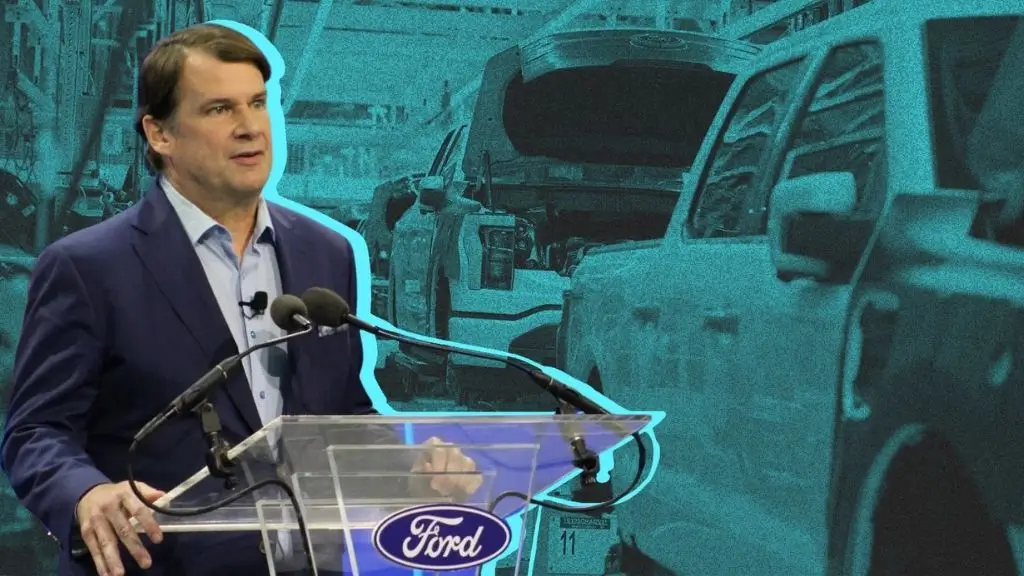
CEO Jim Farley said the company plans to continue investing in U.S. operations, including hiring across multiple states to support new gas, hybrid and electric vehicle launches, as well as battery and energy storage production. Ford has ongoing projects in Kentucky, Michigan, Ohio and Tennessee.
Lawmakers point to tariff policies, tax incentives and deregulation as key drivers behind the shift toward domestic manufacturing. The White House has positioned the auto industry’s performance as central to its broader economic and affordability strategy, highlighting lower vehicle costs, tax relief for buyers of U.S.-built vehicles and increased domestic investment.
The latest data underscores a broader industry realignment, as automakers adjust production strategies in response to evolving trade policy and rising pressure to localize manufacturing in the United States.