
On the Dash:
- Potential defense contracts could shift production priorities and impact vehicle supply.
- Increased government demand may tighten supply chains already under pressure.
- Automaker diversification into defense could influence long-term production and profitability strategies.
The Pentagon is reaching out to automakers and other manufacturers as it looks to expand U.S. weapons production capacity, reflecting growing urgency to replenish military stockpiles and support global defense commitments, according to a WSJ report.
Defense officials are exploring partnerships beyond traditional contractors, looking to tap companies with large-scale manufacturing capabilities to accelerate output.
The effort reflects growing urgency to replenish stockpiles depleted by ongoing geopolitical conflicts and increased military support commitments abroad.
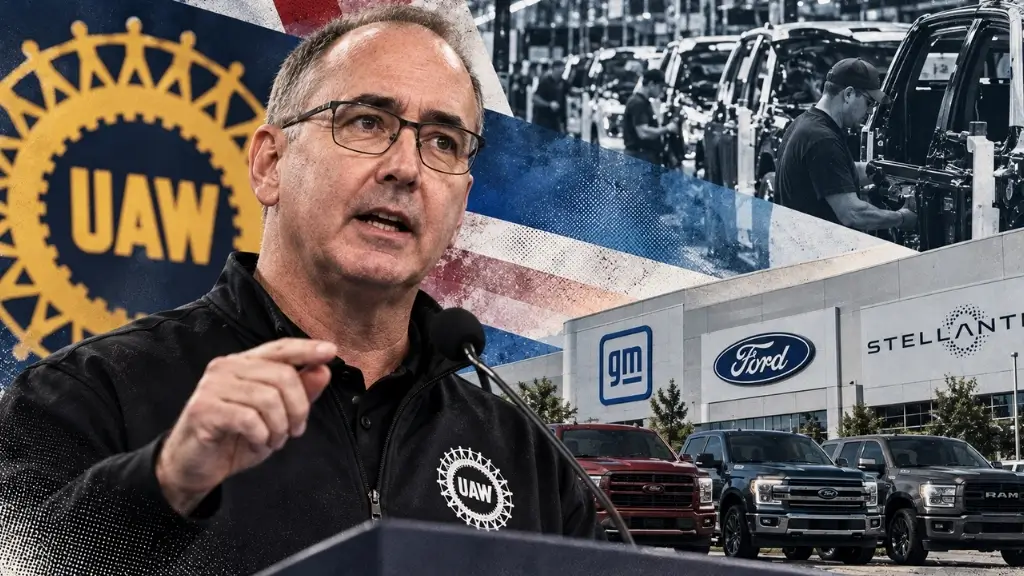
Automakers, like the Detroit Three, are among the companies being evaluated for their ability to adapt high-volume production systems to defense manufacturing. Their expertise in automation, supply chain management, and scalable production is seen as a potential advantage, although discussions remain preliminary and no widespread conversion of auto plants has been confirmed.
This initiative reflects broader concerns regarding capacity constraints in the current defense industrial base, as lengthy production timelines have restricted the ability to rapidly scale output.
According to the report, expanding into commercial manufacturing sectors could require retooling of facilities and workforce adjustments, while reshaping how the U.S. approaches long-term industrial readiness.
As global defense spending increases and supply chains across industries continue to face pressure, automakers are also facing their own challenges, including the transition to EVs and fluctuating consumer demand. This situation raises concerns about how potential defense contracts may affect production priorities and vehicle availability.