On the Dash:
- Current interest rates (3.5%-3.75%) are expected to remain stable in the near term, allowing dealers to plan borrowing and inventory financing with relative certainty.
- Inflation pressures and rising oil prices could influence vehicle demand and pricing, particularly for fuel-sensitive segments.
- Potential future rate cuts in late 2026 or 2027 may create opportunities for refinancing or capital investment, but timing remains uncertain amid geopolitical risks.
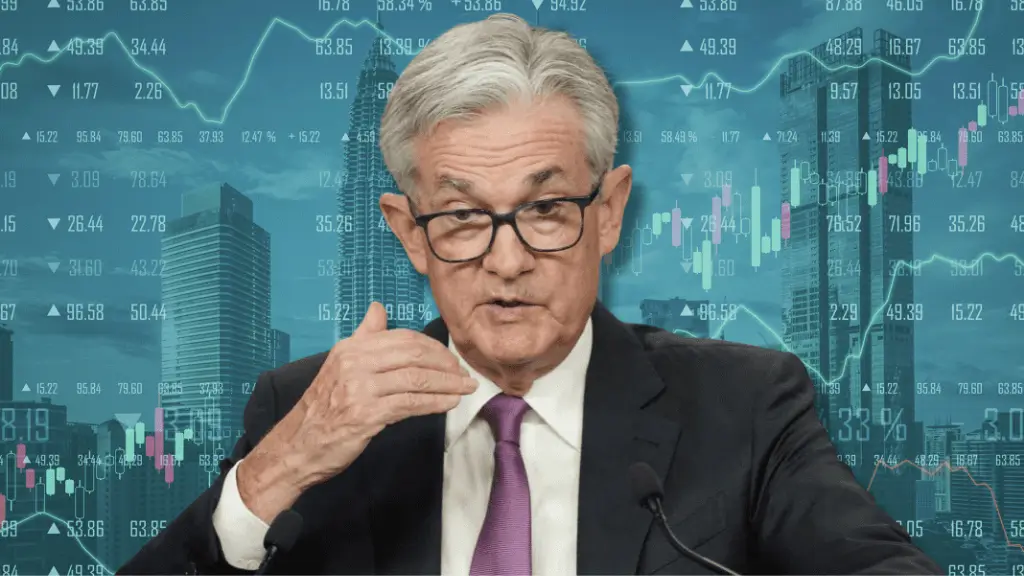
The Federal Reserve voted Wednesday to keep its key interest rate unchanged in a widely expected 11-1 decision, leaving the benchmark federal funds rate at 3.5%-3.75% as policymakers weigh elevated inflation, mixed labor market signals, and uncertainty from the war in Iran.
The decision was widely expected and approved 11-1 by the Federal Open Market Committee.
In its post-meeting statement, the FOMC made a few changes to its economic outlook, projecting slightly faster gross domestic product growth this year and higher inflation than in December. The Fed now expects GDP to rise 2.4% in 2026, up from previous projections, and 2.3% in 2027. Inflation, measured by the personal consumption expenditures price index, is projected at 2.7% this year for both headline and core measures, before easing toward the Fed’s 2% target in subsequent years. Officials also forecast a 4.4% unemployment rate by year-end despite weaker-than-expected payroll readings.
The closely watched “dot plot,” reflecting individual policymakers’ rate projections, points to one potential reduction in 2026 and another in 2027, though timing remains uncertain. Seven of the 19 FOMC participants signaled rates will remain unchanged this year, one more than in December. Governor Stephen Miran dissented, favoring a quarter-point cut, while Governor Christopher Waller, who had previously supported a cut, voted to hold.
The Fed highlighted uncertainty from the war in Iran and tensions at the Strait of Hormuz, which have disrupted global oil markets and threaten to keep inflation above target. Market expectations for rate cuts this year have declined following firm inflation readings and rising energy prices.
Chair Jerome Powell’s term is set to end in May, with President Donald Trump nominating former Fed Governor Kevin Warsh as his successor. However, legal and political disputes could delay Warsh’s confirmation, potentially keeping Powell in office past May.