On the Dash:
• Current model-year used vehicles averaged $6,370 less than new in Q4 2025.
• Three-year-old used prices hit record Q4 highs and longer selling times.
• Higher-mileage current-year units delivered the deepest discounts and faster turns.
Current model-year used vehicles delivered unexpected value for shoppers in the fourth quarter of 2025, narrowing the traditional gap between new and late-model used inventory and reshaping how consumers evaluated price versus mileage, according to data from Edmunds.
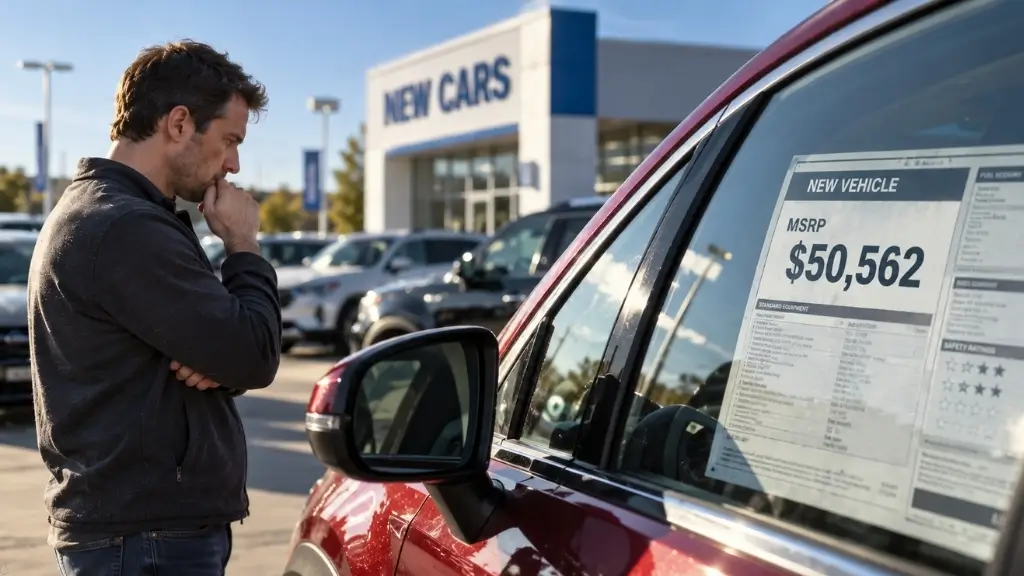
In Q4 2025, current model-year used vehicles accounted for 8% of all used sales, or roughly one in 12 transactions. Despite being the newest vehicles available on the used market, they sold for an average of $40,784, or $6,370 less than the average new 2025 model-year vehicle, which transacted at $47,154.
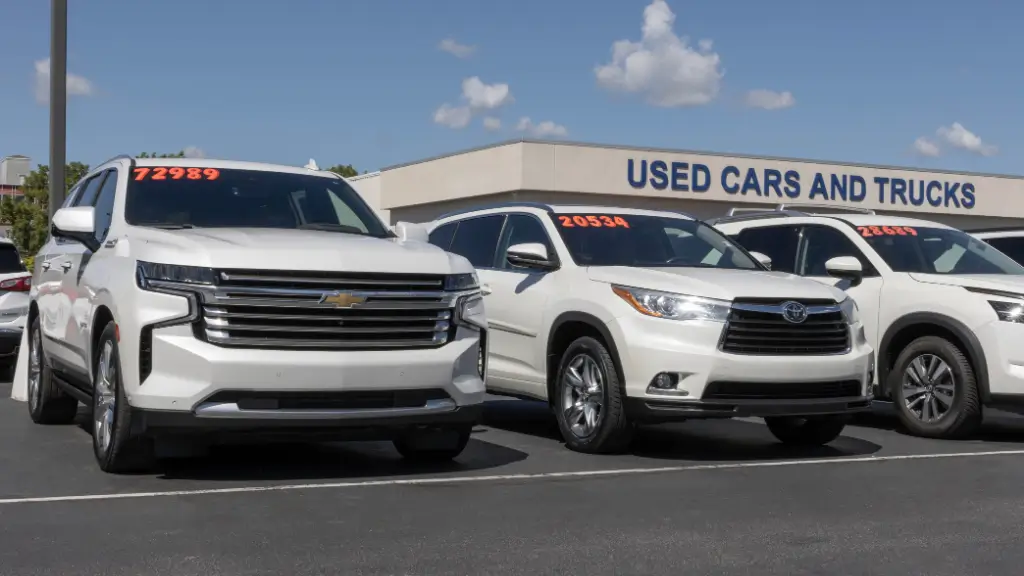
That pricing dynamic stood in contrast to the traditional three-year-old used vehicle benchmark. During the same quarter, three-year-old vehicles reached a record Q4 average transaction price of $30,699 and spent an average of 45 days on dealer lots, the longest fourth-quarter selling time since 2017. Residual values for three-year-old vehicles settled at 66% of original MSRP, down from the unusually high levels seen earlier in the decade but still reflecting tight supply conditions.
Lower lease originations in 2022 continued to limit the flow of typical three-year-old used inventory into the market. At the same time, buyers appeared more selective as newer used alternatives became available, compressing the price gap between three-year-old units and current model-year used vehicles to its narrowest level since Q4 2018.
Seasonality played a key role. Each fourth quarter, a wave of current model-year vehicles returns to dealer lots through early trade-ins and rental fleet turnover. In 2025, 3.5% of all new-vehicle trade-ins involved 2025 model-year vehicles. With approximately 16 million new vehicles sold during the year and about 20% attributed to fleet sales, retail trade-ins alone translated to nearly a quarter-million current model-year vehicles entering the used market.
Rental fleet refresh cycles further boosted late-year availability, even though overall supply remained limited.
Mileage significantly influenced value perception. Vehicles with fewer than 10,000 miles accounted for more than 60% of current model-year used sales but offered narrower discounts and averaged more than 50 days to turn. As mileage increased, discounts widened. Units with more than 15,000 miles carried price gaps exceeding $10,000 compared with new and sold more quickly, with days to turn falling into the high 30s.
Segment mix also affected comparability. SUVs and cars represented 85.4% of current model-year used sales, aligning closely with new-vehicle demand. Trucks, which make up 20.8% of new sales, accounted for just 12.5% of current model-year used transactions, limiting like-for-like matches.
Electric vehicles dominated the largest price-gap category. Models such as the Genesis Electrified GV70, Jeep Wrangler 4xe and Dodge Charger EV showed used discounts approaching or exceeding $20,000 compared with new, reflecting how aggressive new-vehicle pricing and incentives can cascade into used values.
Early 2026 data reinforced the trend. In January, one-year-old used vehicles averaged $38,354 versus $48,576 for new, a $10,222 gap that marked the widest January spread observed since at least 2015.
For dealers, the data underscores how late-year inventory strategy and pricing discipline can shift consumer attention away from traditional three-year-old benchmarks and toward newer used alternatives offering clearer dollar savings.