On the Dash:
- Norway’s $1.9 trillion sovereign-wealth fund opposed Musk’s $1 trillion Tesla pay package due to concerns about its size, dilution, and key-person risk.
- The plan links compensation to ambitious milestones, including 20 million vehicles delivered and 1 million robotaxis in operation.
- The shareholder vote on Thursday will also cover board re-elections and a proposal for Tesla to invest in Musk’s AI startup, xAI.
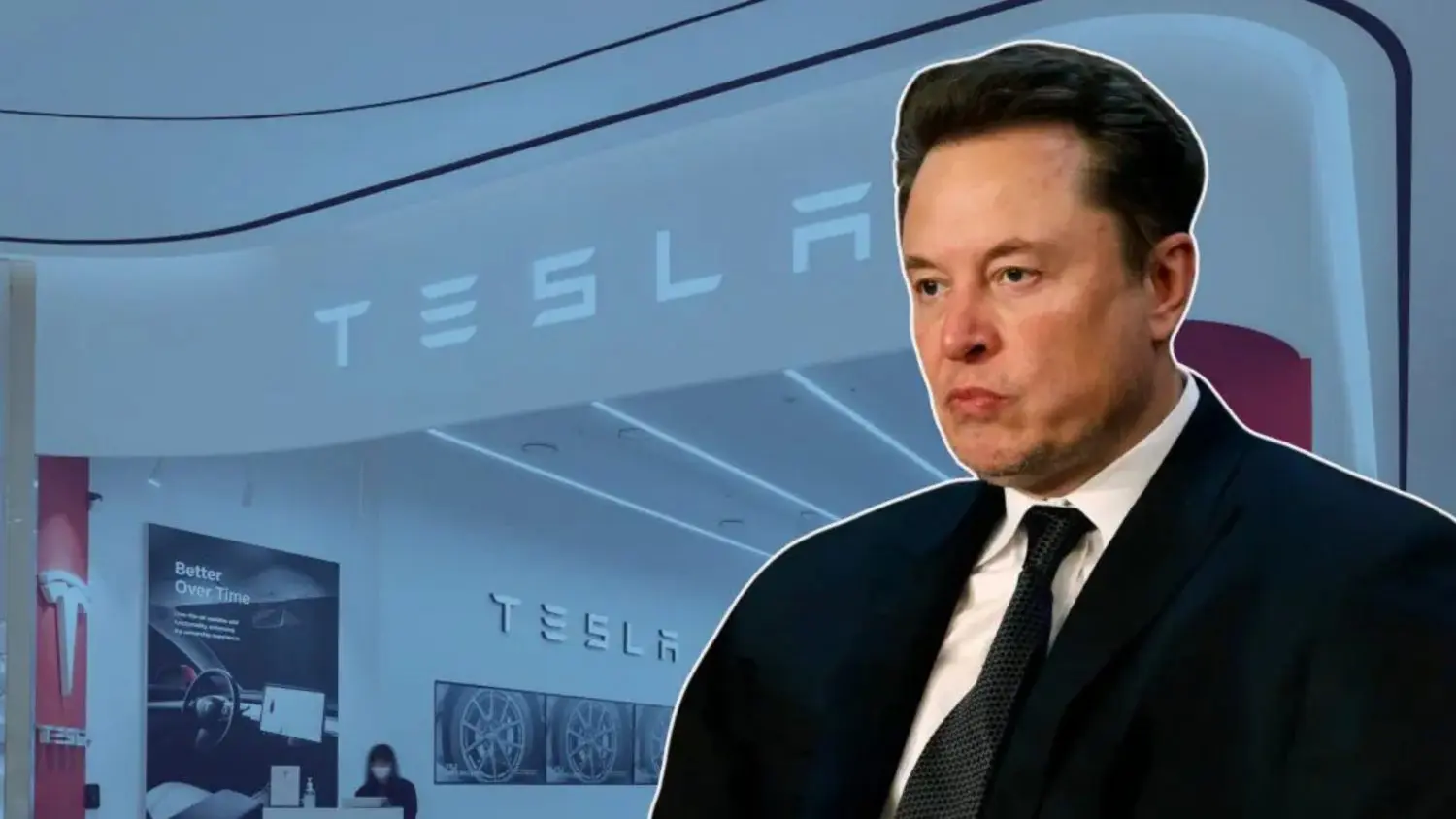
Norway’s $1.9 trillion sovereign-wealth fund has rejected Tesla CEO Elon Musk’s proposed $1 trillion compensation package, becoming the first major institutional investor to publicly disclose its opposition. Managed by Norges Bank Investment Management, the fund cited concerns over the total value of the award, shareholder dilution, and lack of measures to mitigate key-person risk. Following the announcement, Tesla shares slipped nearly 3% in premarket trading.
The controversial package would grant Musk an additional 12% stake in Tesla if the company reaches a market valuation of $8.5 trillion over the next decade, nearly eight times its current value. The plan ties compensation to ambitious performance milestones, including delivering 20 million vehicles, operating 1 million robotaxis, and achieving 10 million subscribers for Tesla’s Full Self-Driving service. At the target valuation, the package would be worth slightly more than $1 trillion.
Norway’s wealth fund holds a 1.2% stake in Tesla, making it the sixth-largest institutional investor behind firms such as Vanguard and BlackRock. Other institutional investors, including smaller public pension funds like the American Federation of Teachers and certain New York City retirement systems, have also voiced opposition, as have major proxy advisory firms Institutional Shareholder Services and Glass Lewis. Musk, who controls roughly 15% of Tesla’s voting shares, is also eligible to vote on the proposal. Shareholders will cast votes on Musk’s pay, board re-elections, and a proposal urging Tesla to invest in Musk’s AI startup, xAI, at Thursday’s annual meeting.
Notably, this is not the first time the Norwegian fund has opposed a Musk compensation plan. Last year, it opposed a 2018 pay proposal that a Delaware judge had canceled. That proposal had received 72% shareholder support, but the judge upheld the rescission. Tesla is currently awaiting a decision on its appeal before the Delaware Supreme Court.
The fund’s opposition underscores growing investor concerns about the size of executive pay, the potential for shareholder dilution, and Tesla’s corporate governance. Market reaction reflects investor scrutiny ahead of the shareholder vote, highlighting skepticism toward extreme executive compensation packages. Approval of the plan could significantly increase Musk’s already substantial wealth and further consolidate his influence over Tesla’s strategic direction.