
On the Dash:
- 25% tariffs on imported medium- and heavy-duty trucks and parts begin Nov. 1, with a 10% duty on buses.
- U.S. automakers receive extended 3.75% production credits through 2030 to offset import costs.
- Mexico, the top truck exporter to the U.S., is expected to be most affected by new levies.
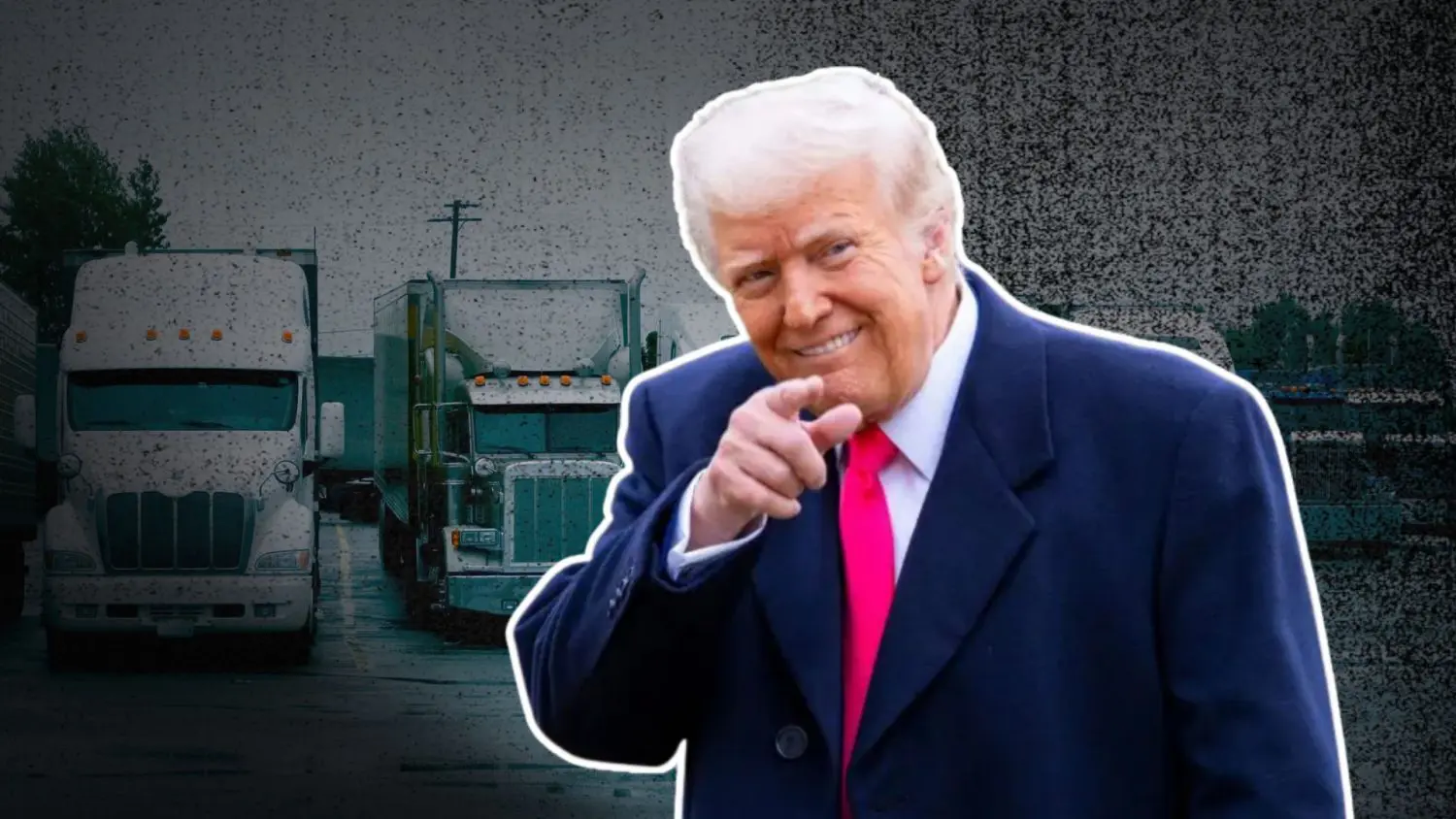
The Trump administration implemented a 25% tariff on imported medium- and heavy-duty trucks and parts, along with a 10% duty on buses, effective November 1, marking a notable step in efforts to encourage vehicle production within the United States.
The proclamation signed by President Trump establishes new duties under Section 232 of the Trade Expansion Act due to national security concerns regarding reliance on foreign manufacturing. At the same time, the administration extended tariff relief for U.S. automakers through 2030, offering a 3.75% production credit for vehicles and engines assembled domestically to offset the cost of imported parts.
Further, the measures apply to Class 3 through Class 8 trucks, including large pickups, cargo haulers, dump trucks, and tractor-trailers. Truck imports from U.S.-Mexico-Canada Agreement (USMCA) countries qualify for exemptions, but bus imports do not. The administration also plans to introduce a new offset program for U.S.-made engines that will mirror the existing credit for completed vehicles.
The policy is intended to protect U.S. manufacturers and encourage domestic investment, but could raise vehicle costs and strain supply chains. Industry analysts warn that higher import costs may affect prices for commercial vehicles used in construction and freight transport.
Mexico, the largest exporter of medium- and heavy-duty trucks to the United States, is expected to bear much of the impact, as about 245,000 imported trucks came from the country last year, according to Commerce Department data. Automakers like Ford, General Motors, Stellantis, Toyota, Honda, and Tesla are among the brands expected to benefit from the extended production credits, which help offset ongoing duties on imported auto parts.
Moreover, the new tariffs are part of a broader trade strategy expanding duties on a range of goods, from steel and aluminum to furniture and copper. While the administration argues that the measures are essential to safeguard U.S. industry, the U.S. Chamber of Commerce and other trade groups have cautioned that the tariffs could disrupt long-standing supply relationships with allies.
The Supreme Court is expected to review the administration’s use of emergency trade authorities next month, following lower court rulings that questioned the legality of some country-based tariffs.