On the Dash:
- Ford and GM are using dealer programs to extend the $7,500 federal EV tax credit beyond its September 30 expiration, allowing leases to continue with the subsidy included.
- The programs involve automakers’ financing arms making down payments on EV inventory to secure the tax credit before transferring the vehicles to consumers via leases.
- Industry analysts warn that EV sales and leases could fall sharply after the subsidy ends, making these programs a critical tool for sustaining demand in the short term.
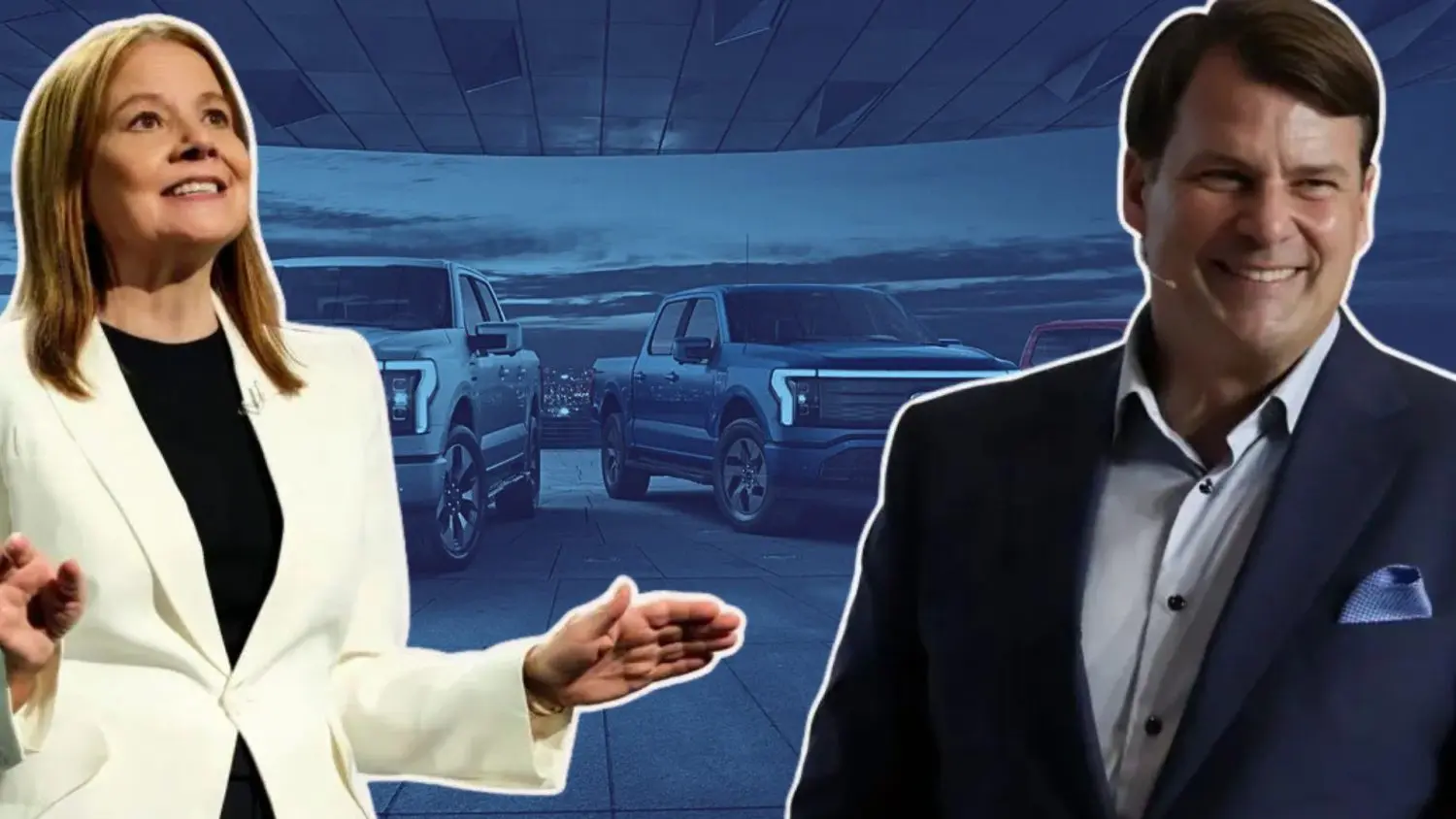
Ford and General Motors are rolling out programs for their dealers that effectively extend the $7,500 federal tax credit on electric vehicle leases past the September 30 expiration, according to an exclusive Reuters report.
The programs use the automakers’ financing arms to make down payments on EVs in dealer inventories, allowing the vehicles to qualify for the tax credit. Dealers can then offer leases to customers for several more months with the subsidy included.
Additionally, the initiatives are designed to mitigate the expected decline in EV sales and leases following the expiration of the subsidy, which has encouraged EV adoption for over 15 years. GM confirmed the program in a statement to Reuters on Monday, but Ford has not commented publicly on the program.
Industry executives and analysts had predicted a sharp slowdown in EV sales after the credit ended, especially following a recent surge in purchases from buyers rushing to meet the September 30 deadline.
Under the programs, the automakers’ financing arms effectively “purchase” vehicles in dealer stock through down payments, securing the $7,500 credit. Dealers then offer leases to customers as usual, with the tax credit factored into the monthly payments. Both companies developed the programs in consultation with officials from the Internal Revenue Service (IRS).
The federal EV tax credit, enacted more than 15 years ago, applies to vehicles acquired by September 30, according to guidance from the IRS. Acquisition is demonstrated through a binding written contract and a payment on the vehicle by that date. However, it is unclear whether other automakers are using similar methods to extend the effective use of the subsidy.