
On the Dash:
- Nissan has reduced production of the new Leaf by more than half for September through November due to lower-than-expected battery yields.
- The Tochigi plant, which serves both U.S. and Japanese markets, faces cuts of several thousand vehicles per month, though the company maintains the year-end launch schedule.
- Nissan is counting on the new Leaf to revive its EV business after past setbacks, including production issues with the Ariya in 2023, while investors reacted cautiously with a slight dip in shares.
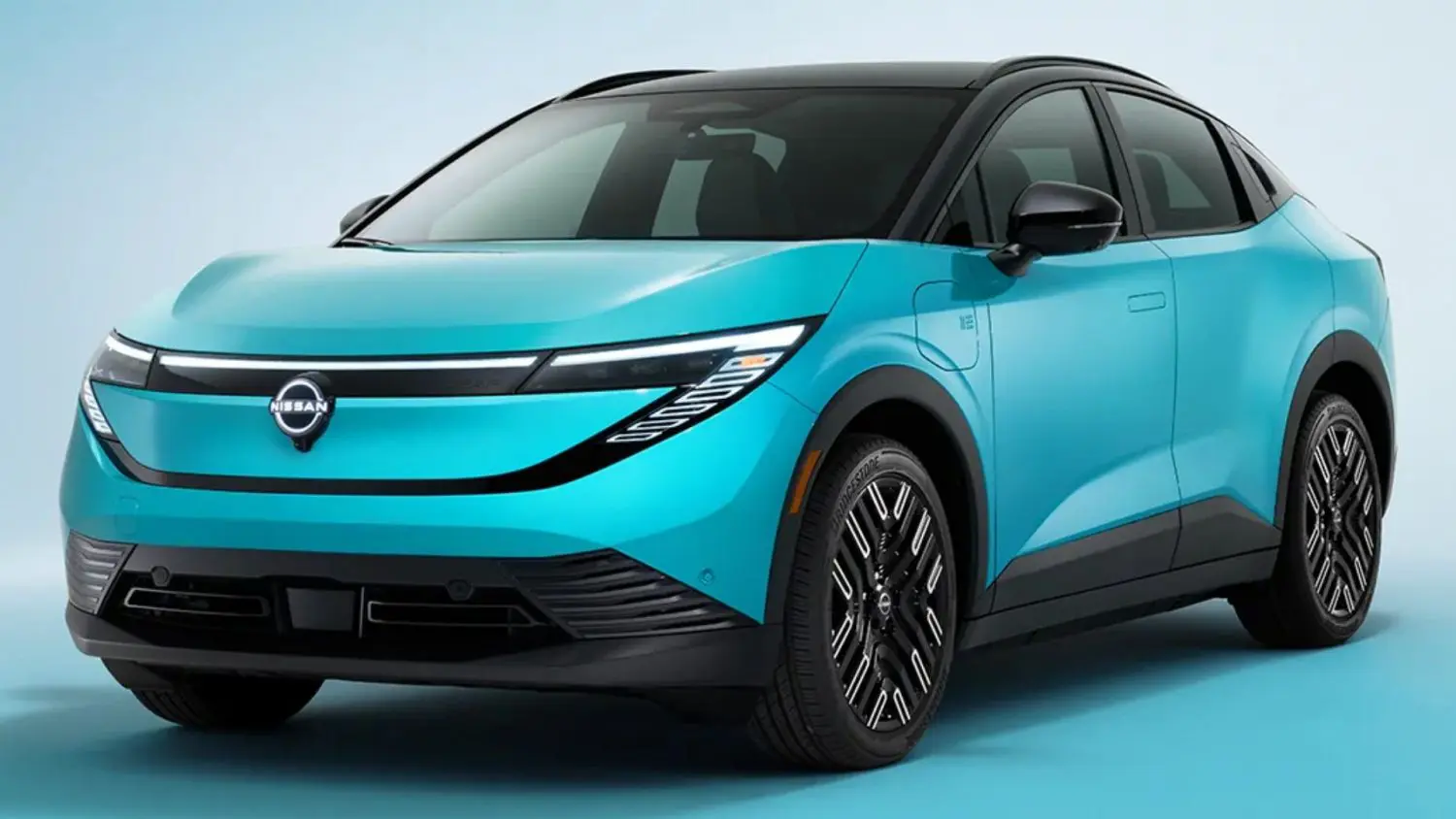
Nissan has slashed its production plan for the new Leaf EV by more than half for September through November, citing delays in battery procurement, according to a report by the Nikkei business daily. The reduction affects the automaker’s Tochigi plant in eastern Japan, which produces the Leaf for both the U.S. and Japanese markets.
The report indicates that lower-than-expected battery yields at a Nissan subsidiary have prompted a revision to production targets. Although the report did not specify the original or revised targets, it suggests that this revision could decrease production by several thousand vehicles per month. On the other hand, the automaker confirmed that the new Leaf model remains on track for its planned launch by the end of the year.
The new Leaf is central to Nissan’s strategy to revive its EV business, which has lost momentum since the first model hit showrooms in 2010. Production challenges are not new for the company. For instance, the Ariya EV, also made at Tochigi, faced setbacks on its high-tech production line in 2023.
The Tochigi plant remains a critical facility for Nissan’s EV operations, producing vehicles for both domestic and international markets as the company seeks to regain ground in the competitive electric vehicle sector.