On the Dash:
- Volkswagen is in advanced talks with the U.S. government about major investments, including a possible Audi plant, to expand its local presence and offset steep tariffs on imported vehicles.
- CEO Oliver Blume said U.S. auto import tariffs of 27.5% have already cost Volkswagen several billion euros this year, mainly due to Audi and Porsche lacking domestic production facilities.
- The automaker is awaiting a possible tariff reduction to 15% under President Donald Trump’s administration, but stressed that investment decisions must be made soon to localize its business.
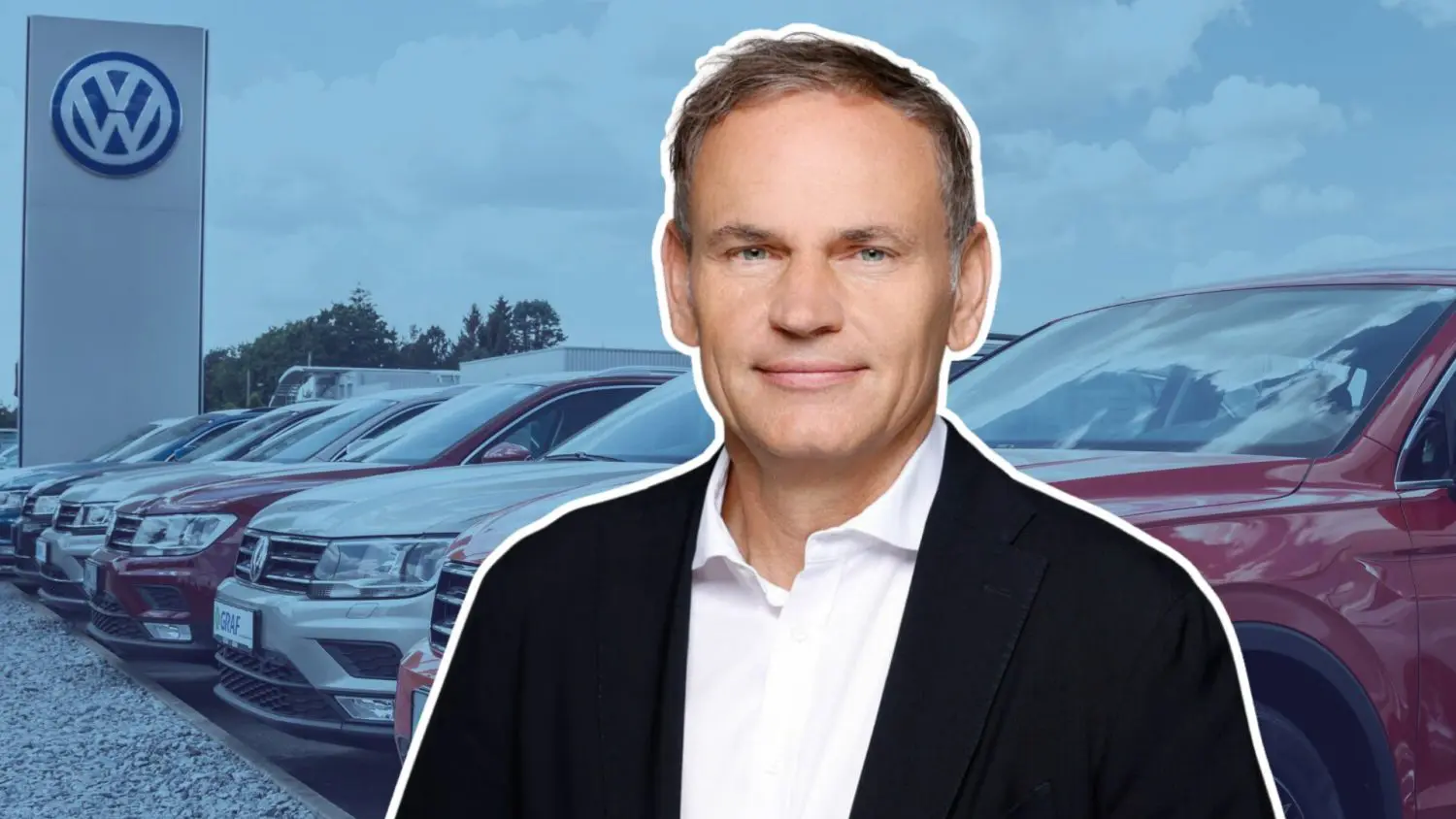
Volkswagen is in advanced talks with the U.S. government about making substantial investments to expand its American operations, as steep tariffs on imported vehicles continue to weigh on Europe’s largest automaker.
Chief Executive Oliver Blume said the tariffs, currently set at 27.5%, have cost the company several billion euros so far this year, primarily impacting its Audi and Porsche brands that lack U.S. production facilities. Speaking at the IAA Munich car show, Blume called the current trade arrangement between Brussels and Washington “asymmetric,” noting that European auto imports face heavy duties while U.S. industrial goods enter Europe tariff-free.
Consequently, VW is depending on its investment strategy in the U.S., as Blume added that talks with the U.S. government have been “very positive.” He also indicated that Volkswagen is exploring the possibility of building a facility for its Audi brand and improving its supply chain and labor force in the United States.
Volkswagen’s push for local production comes as automakers await a potential tariff reduction from the Biden administration under President Trump, who has pledged to lower auto import duties to 15%. Until then, Blume said, the financial pressure from U.S. tariffs remains a significant challenge.
The situation is particularly difficult for Porsche, which Blume described as caught in a “sandwich” between the U.S. tariff burden and weakening demand in China. Like its rivals, Volkswagen is seeking strategies to localize operations and mitigate exposure to global trade tensions.
Blume, who also serves as CEO of Porsche, confirmed that holding both executive roles was not a long-term solution. He said it remains undecided which position he will eventually step away from, following criticism from some shareholders and labor representatives.
Volkswagen’s potential U.S. investment could mark one of the company’s most significant steps to deepen its presence in the world’s second-largest auto market, while protecting profitability against ongoing tariff disputes.