On the Dash:
- President Trump cut Japanese auto tariffs from 27.5% to 15%, retroactive to Aug. 7.
- Japan pledged $550 billion in U.S. investments and $8 billion in farm imports.
- The deal eases pressure on Japan’s auto industry, which saw Toyota hit by $3 billion in tariffs.
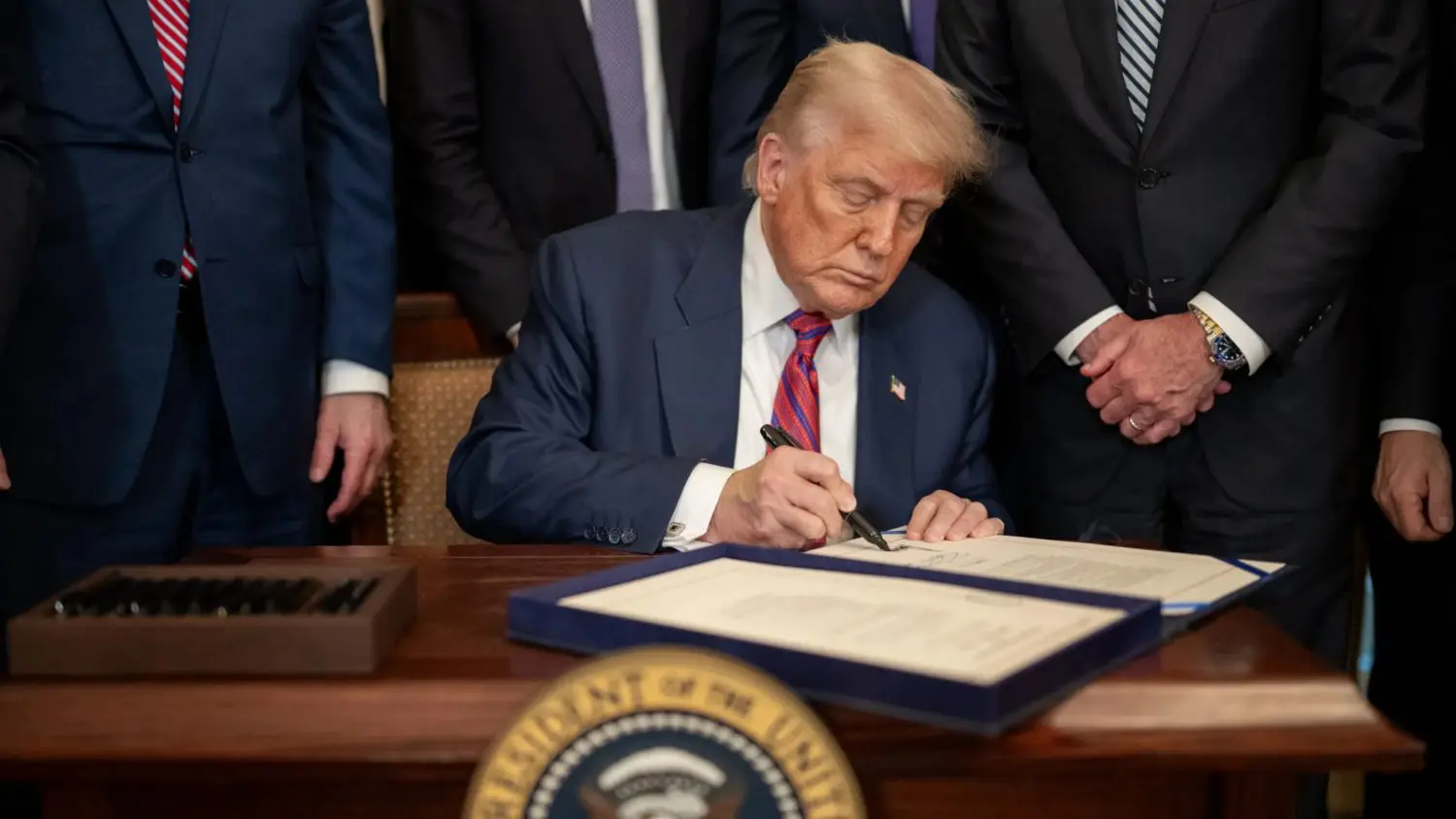
President Donald Trump signed an executive order on Thursday lowering tariffs on imported Japanese autos from 27.5% to 15%. The new rate will take effect seven days after the order’s official publication and will apply retroactively to Aug. 7.
The order establishes a baseline 15% rate on most Japanese imports. Goods previously taxed below 15% will be adjusted upward, while items already subject to higher tariffs, such as beef, will not be subjected to an additional levy. Japanese commercial airplanes and parts are exempt from the tariffs.
Under the agreement, Japan will invest $550 billion in the United States and significantly increase its purchase of American agricultural goods, including rice, corn, soybeans and fertilizer, to about $8 billion annually. Both governments signed a memorandum of understanding, and the executive order notes that President Trump reserves the right to modify the terms if Japan fails to meet its commitments.
Japan will also accept U.S.-manufactured passenger vehicles that meet American safety standards without additional testing and agrees to purchase U.S.-made commercial aircraft and defense equipment.
The U.S. and Japan initially reached the agreement in July, but it was not enacted until President Trump signed the executive order, formalizing the deal.
The move provides relief to Japanese carmakers, which faced significant losses under the previous levy. In August, a $3 billion hit from import duties prompted Toyota, the world’s largest automaker by sales volume, to lower its annual profit forecast to $21.7 billion.