TSLA400.62011.72%
GM81.3203.27%
F12.8700.43%
RIVN17.2300.34%
CYD43.2600.9381%
HMC25.0000.64%
TM217.2004.34%
CVNA387.50025.26%
PAG161.3205.3%
LAD283.0408.17%
AN207.9909.7%
GPI349.94014.46%
ABG211.4407.35%
SAH70.7003.33%
TSLA400.62011.72%
GM81.3203.27%
F12.8700.43%
RIVN17.2300.34%
CYD43.2600.9381%
HMC25.0000.64%
TM217.2004.34%
CVNA387.50025.26%
PAG161.3205.3%
LAD283.0408.17%
AN207.9909.7%
GPI349.94014.46%
ABG211.4407.35%
SAH70.7003.33%
TSLA400.62011.72%
GM81.3203.27%
F12.8700.43%
RIVN17.2300.34%
CYD43.2600.9381%
HMC25.0000.64%
TM217.2004.34%
CVNA387.50025.26%
PAG161.3205.3%
LAD283.0408.17%
AN207.9909.7%
GPI349.94014.46%
ABG211.4407.35%
SAH70.7003.33%

DOT moves to modernize safety standards for self-driving cars

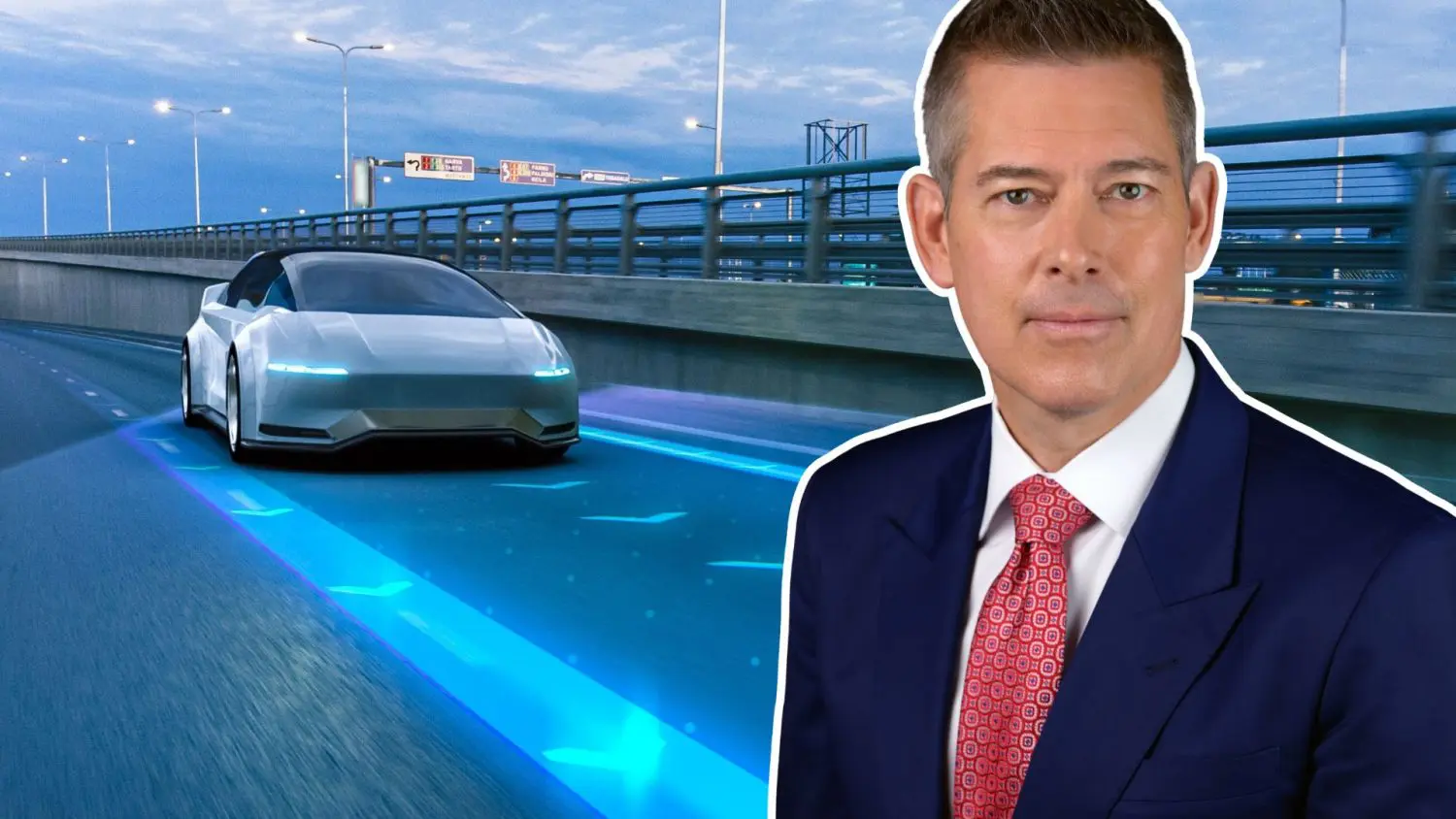
The Trump administration is taking steps to update vehicle safety regulations, specifically by loosening restrictions on self-driving cars.

On the Dash:

  • Federal rules designed for human-driven vehicles, such as windshield wipers and gear shift requirements, may be relaxed for automated vehicles.
  • The U.S. Department of Transportation plans to propose three new rules in spring 2026 to update outdated safety standards for vehicles with automated driving systems.
  • Auto industry groups support the initiative and could benefit companies like Tesla, which are developing driverless vehicles.

The Trump administration is loosening federal safety requirements for self-driving vehicles, removing rules designed initially for human-driven cars to accelerate the deployment of autonomous technology.

The U.S. Department of Transportation (DOT) said Thursday it plans to propose three new rules in spring 2026 aimed at modernizing Federal Motor Vehicle Safety Standards for vehicles with automated driving systems. Among the changes under consideration are relaxing mandates for manual controls, gear shift sticks, windshield wipers, defrost buttons, and certain lighting equipment on vehicles that do not require human drivers.

Sign up for CBT News’ daily newsletter and get the latest industry stories delivered straight to your inbox.

Transportation officials explained that the existing safety regulations, written decades ago, do not take into account the unique design and functionality of automated vehicles.

Automotive industry trade groups have welcomed this move towards deregulation, seeing it as a potential boost for companies like Tesla that are developing autonomous technology. Additionally, industry advocates argue that the changes could pave the way for the wider deployment of robotaxis and other fully automated vehicles.

Federal safety standards have historically assumed the presence of a human driver, creating barriers for companies seeking to introduce fully autonomous vehicles. Modernizing the rules plays a crucial role in integrating driverless technology into the U.S. automotive market. 
Read More
More from Articles
STL launches ‘Neuralis’ in the US: A high-performance Data Center portfolio engineered for the AI era

STL launches ‘Neuralis’ in the US: A high-performance Data Center portfolio engineered for the AI era

- April 17, 2026
Washington, United States, 17/April/2026: STL Optical Connectivity NA, LLC,  (STLOC),  a U.S. subsidiary of STL [NSE: STLTECH], a leading connectivity solutions provider for AI-ready digital infrastructure, today announced the U.S. launch of Neuralis, its flagship...
GM leans on global production to supply U.S. market amid cost pressures

GM leans on global production to supply U.S. market amid cost pressures

- April 17, 2026
On the Dash: Imported inventory may create variability in delivery timing and supply consistency. Trade policy shifts could impact the pricing and availability of certain models. Global production strategies may...
Volkswagen ends U.S. EV output, triggering $600 million financial hit 

Volkswagen ends U.S. EV output, triggering $600 million financial hit 

- April 17, 2026
On the Dash: Slower EV demand may impact inventory planning and turn rates for electric models. Production pullbacks could tighten EV supply or shift sourcing toward imports. Ongoing cost pressures...
March sales surge tightens inventory, affordability gaps persist

March sales surge tightens inventory, affordability gaps persist

- April 17, 2026
On the Dash: Faster March sales improved inventory flow, but demand remains uneven heading into Q2. Limited sub-$40K inventory continues to constrain volume opportunities. Rising incentives indicate growing pressure to...
CBT News
Privacy Overview

This website uses cookies so that we can provide you with the best user experience possible. Cookie information is stored in your browser and performs functions such as recognising you when you return to our website and helping our team to understand which sections of the website you find most interesting and useful.