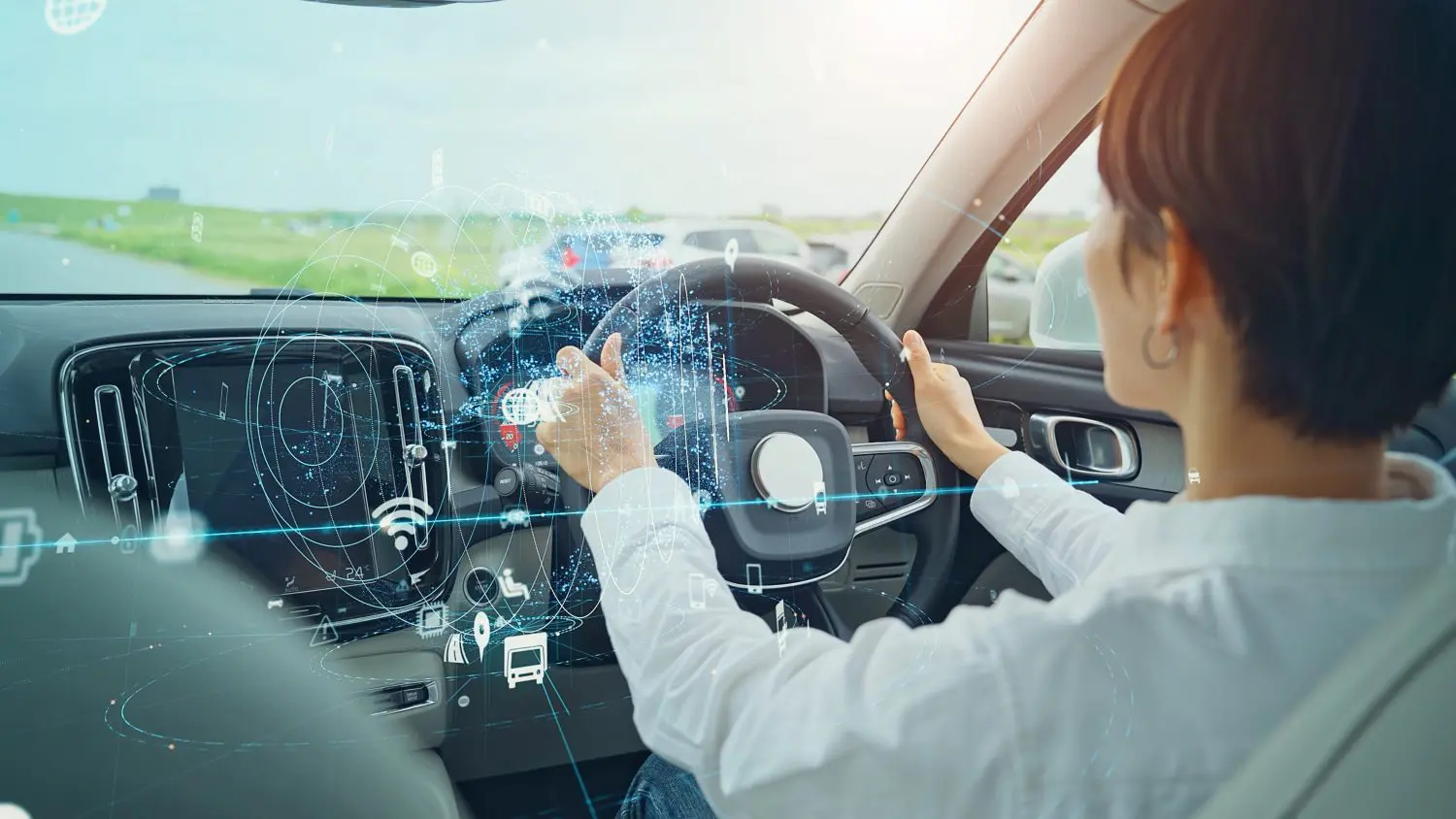
On the Dash:
- AI-driven features, such as smart climate control and driver preferences, are enhancing vehicle satisfaction.
- Blind spot cameras and in-vehicle payment features are highly valued and influence purchase decisions.
- Vehicle quality issues are shifting from broken components to usability problems in infotainment and recognition systems.
Artificial intelligence is increasingly shaping the driving experience, and a new J.D. Power study shows it is boosting customer satisfaction. The 2025 U.S. Tech Experience Index Study, in its 10th year, introduced a smart vehicle category to evaluate seven AI-driven features designed to enhance vehicle comfort and ease of operation.
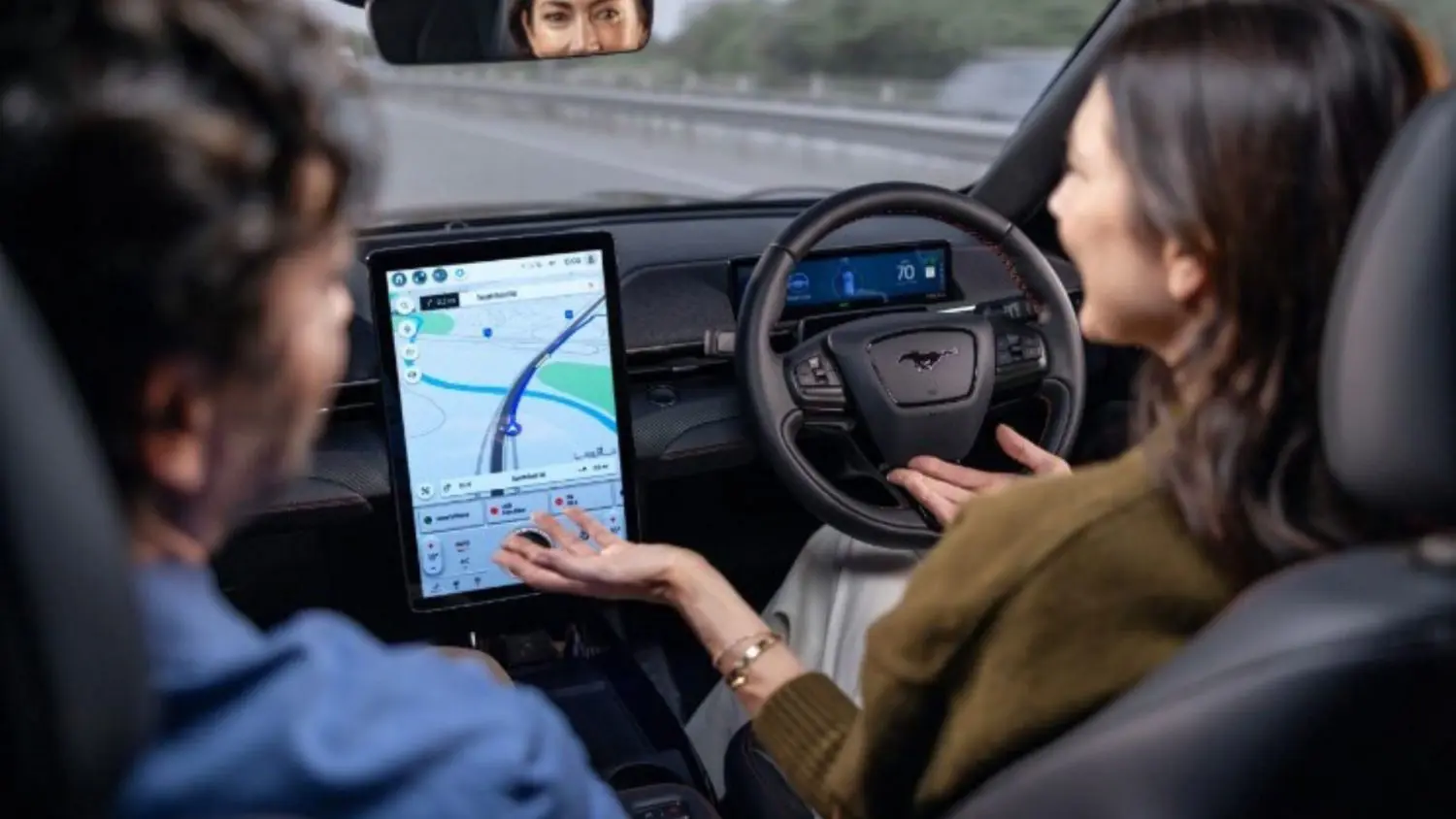
The study found that technologies such as smart ignition, climate control, and driver preferences ranked among the top 10 features for both reliability and satisfaction. Intelligent climate control systems, for example, automatically adjust heating, ventilation, and air conditioning to enhance comfort while compensating for complex infotainment controls. These systems showed an improvement of 6.3 fewer problems per 100 vehicles from the previous year, according to J.D. Power’s 2025 U.S. Initial Quality Study.
Other technologies, however, still face challenges. Car wash mode, which automatically prepares a vehicle for a wash, proved confusing for many drivers due to its placement in infotainment systems. Thirty-eight percent of users reported needing better instructions, and 15% stated that the feature was too slow.
Blind spot cameras, by contrast, are widely adopted and considered essential. Ninety-three percent of respondents reported using the cameras most of the time, and 74% indicated that they would like the feature in their next vehicle. Vehicles with blind spot cameras also sell faster, according to the study. In-vehicle shopping and payment features, often used for fuel, parking, tolls, or EV charging, are also gaining traction, with 62% of owners expressing interest in continued use.
J.D. Power noted that vehicle quality issues are shifting from broken components to usability concerns, especially in infotainment and advanced driver assistance systems. Recognition and authentication technologies, including biometric authentication, touchless controls, and driver monitoring, currently show the highest problem rates.
Among brands, Genesis ranked highest for innovation for the fifth consecutive year, followed by Cadillac and Lincoln. Hyundai led mass-market brands, with Kia and Mitsubishi trailing. The study also highlighted award-winning technologies, including Land Rover’s advanced air purification system, Hyundai Santa Fe’s digital key and blind spot camera, and Kia’s EV9 one-pedal driving feature.
J.D. Power’s findings indicate that AI and innovative technologies can enhance the driving experience when designed for usability, signaling a shift in consumer expectations and automaker priorities in vehicle technology.